How to Say "charging" in Spanish
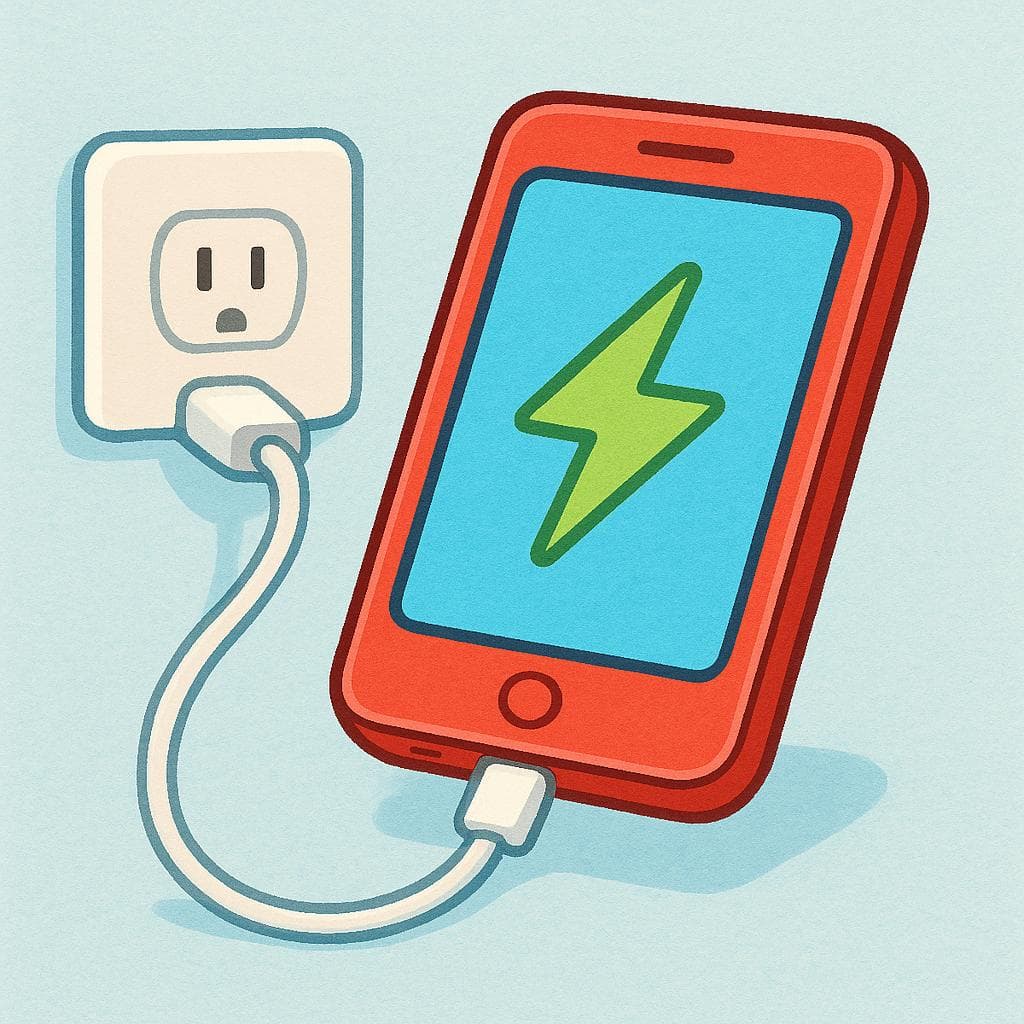
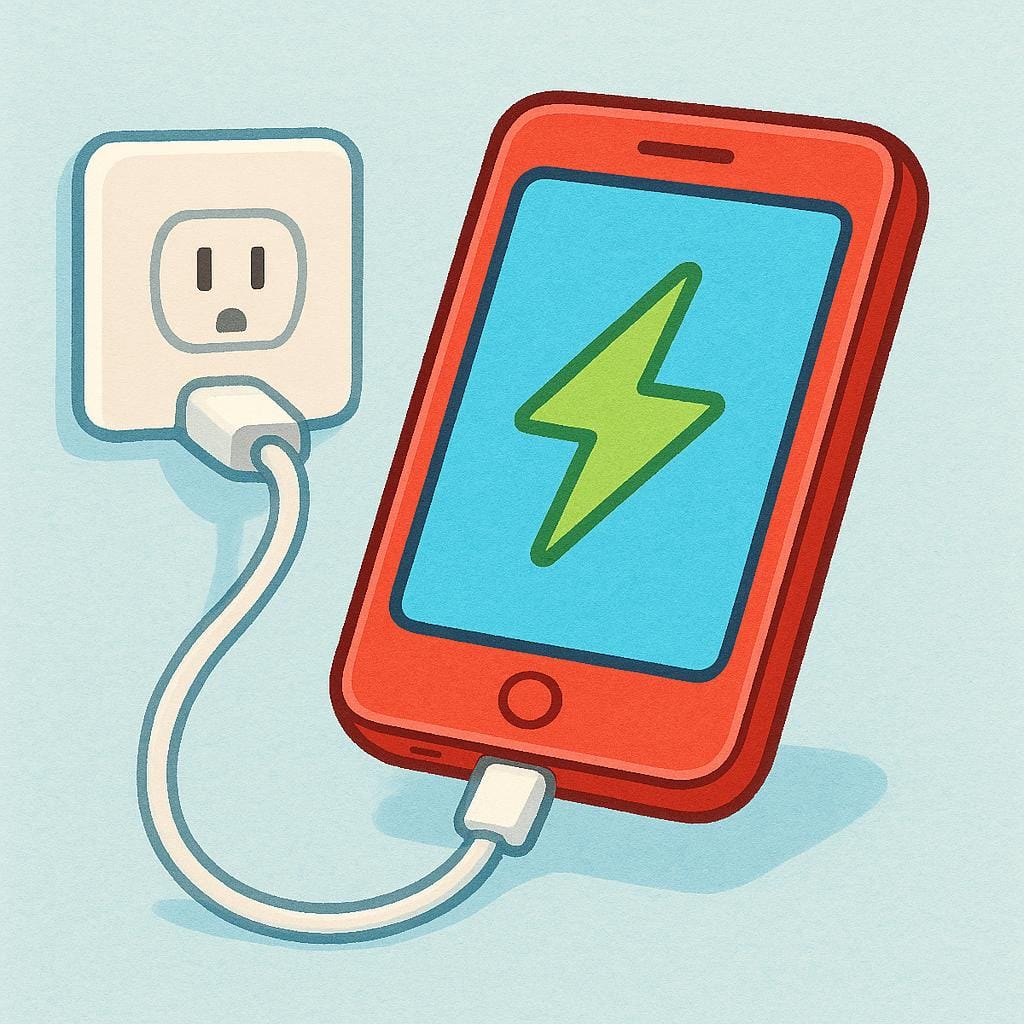
The most common Spanish word for “charging” is “cargando” — use 'cargando' when referring to a device, battery, or electrical item that is receiving power.


cargando
kahr-GAHN-dohkaɾˈɣan.do
Examples
Mi teléfono está cargando. No lo desconectes.
My phone is charging. Don't unplug it.
¿Puedes revisar si la batería sigue cargando?
Can you check if the battery is still charging?
Forming Continuous Actions
'Cargando' is the gerund form. You use it with the verb 'estar' (to be) to describe an action happening right now: 'estoy cargando' (I am charging).
Spelling Change in Past Tense
Mistake: “Using 'yo cargé' in the past tense.”
Correction: The correct form is 'yo cargué'. Since 'cargar' ends in -gar, we add a 'u' before the 'e' to keep the hard 'g' sound.
atacando
ah-tah-kahn-dohataˈkando

Examples
El equipo está atacando con mucha fuerza hoy.
The team is attacking with a lot of strength today.
Están atacando el problema desde la raíz.
They are tackling the problem from its roots.
Me sentí mal porque me estaba atacando sin razón.
I felt bad because he was attacking (criticizing) me for no reason.
The Ongoing '-ing' Form
Words ending in -ando are like English '-ing' words. Use them with the verb 'estar' (to be) to show an action happening right this second.
The Spelling Change
While 'atacando' is regular, the base verb changes its 'c' to 'qu' in some forms (like 'ataqué') to keep the hard 'k' sound.
Don't forget the helping verb
Mistake: “Yo atacando el problema.”
Correction: Estoy atacando el problema. You almost always need a form of 'estar' (to be) before 'atacando' if you are describing what is happening.
cobro
KOH-brohˈko.βɾo

Examples
El cobro del alquiler se realiza el primer día del mes.
The rent collection takes place on the first day of the month.
Se aceptan diferentes medios de cobro, como tarjeta o efectivo.
Different methods of payment are accepted, such as card or cash.
Hubo un error en el cobro de mi factura telefónica.
There was an error in the charging of my phone bill.
Cobro vs. Pago
In Spanish, 'cobro' is from the perspective of the person receiving the money. If you are the one giving the money, you use 'pago'.
Using 'cobro' for 'check'
Mistake: “Tengo un cobro para el banco.”
Correction: Tengo un cheque para cobrar.
Confusing 'cargando' with 'atacando'
Related Translations
Learn Spanish with Inklingo
Interactive stories, personalized learning, and more.