How to Say "i charge" in Spanish
The most common Spanish word for “i charge” is “cargo” — use 'cargo' when you mean to load or charge something, like a battery, a device, or physical items into a vehicle.

cargo
KAR-goˈkaɾɣo
Examples
Yo cargo mi teléfono todas las noches.
I charge my phone every night.
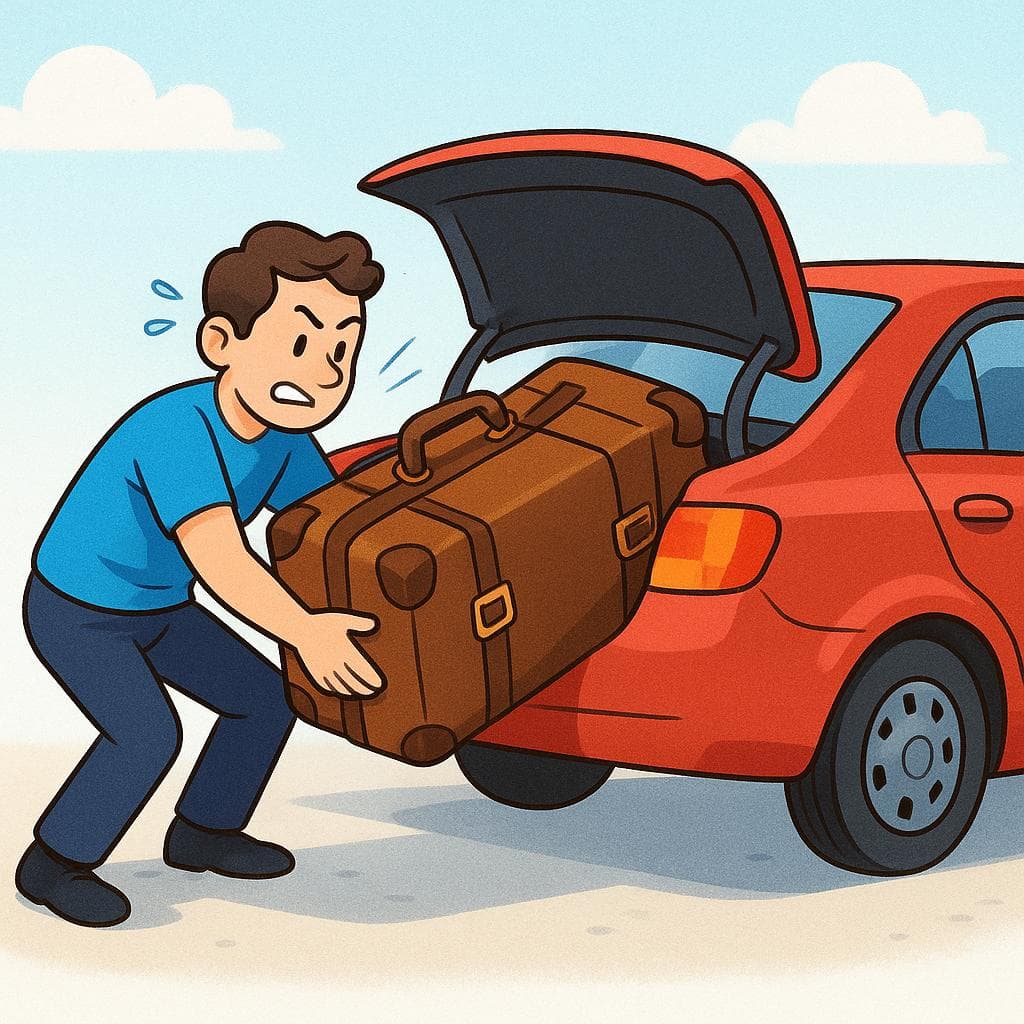
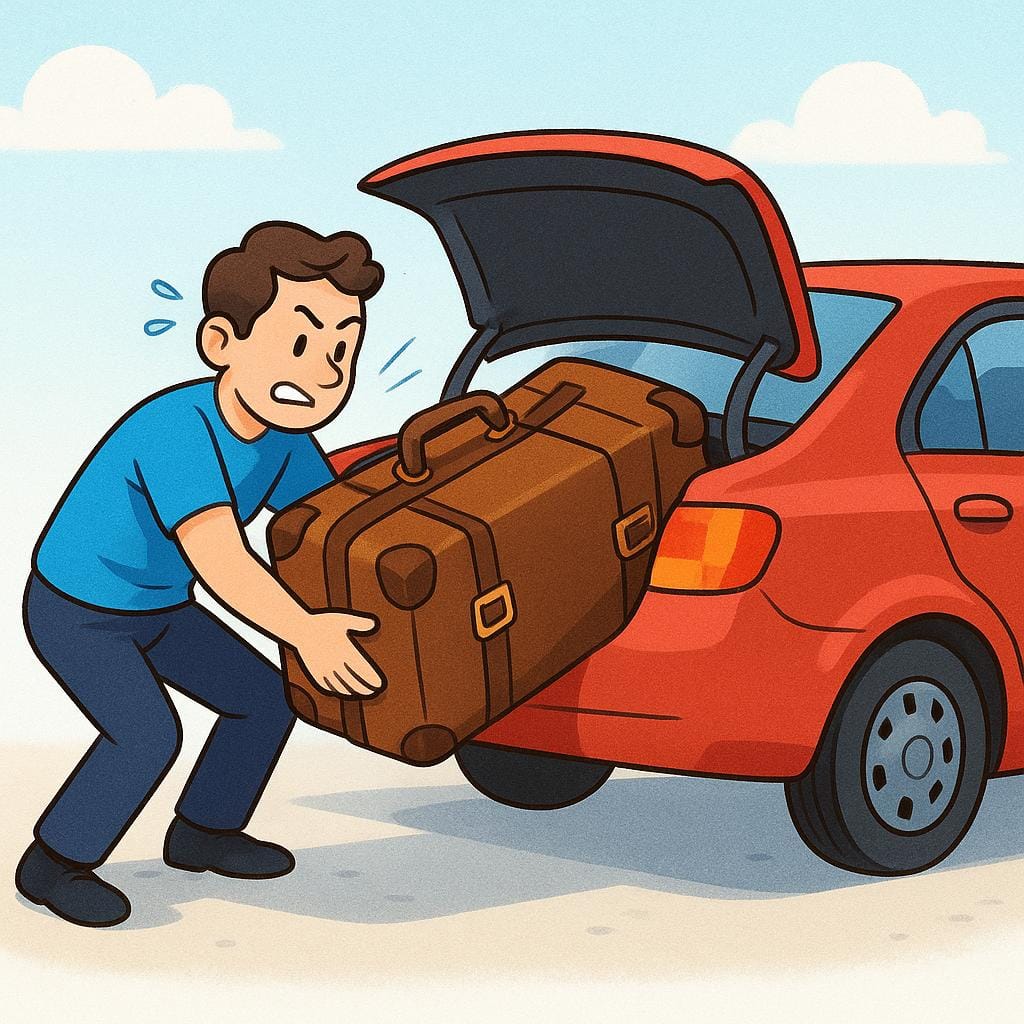
Yo cargo las maletas en el coche.
I load the suitcases into the car.
Siempre cargo con mi mochila a todas partes.
I always carry my backpack with me everywhere.
Cargo mi teléfono todas las noches.
I charge my phone every night.
Spelling Change Alert!
Notice how 'cargar' changes spelling in some forms, like 'cargué' (I loaded) and 'cargue' (subjunctive). The 'g' changes to 'gu' before an 'e' to keep the hard 'g' sound. It's a common pattern for verbs ending in '-gar'.
cobro
KOH-brohˈko.βɾo

Examples
Yo cobro por hora de consultoría.
I charge for hours of consulting.
Yo cobro cincuenta euros por hora.
I charge fifty euros per hour.
Normalmente cobro mi sueldo los viernes.
I usually get my salary on Fridays.
Si voy al banco ahora, cobro el cheque de inmediato.
If I go to the bank now, I cash the check immediately.
The Personal 'a'
When you are charging a person (not just an item), you must add 'a' after the verb. For example: 'Cobro a los clientes' (I charge the customers).
Present Tense 'o' Ending
In Spanish, most action words that end in 'o' are talking about what 'I' am doing right now.
Cobro vs. Cobra
Mistake: “La cobro es peligrosa.”
Correction: La cobra es peligrosa.
Loading vs. Getting Paid
Related Translations
Learn Spanish with Inklingo
Interactive stories, personalized learning, and more.