How to Say "cleanliness" in Spanish
The most common Spanish word for “cleanliness” is “limpieza” — use 'limpieza' when referring to the general state of being clean, the act of cleaning, or the absence of dirt and mess.


limpieza
leem-PYEH-sahlimˈpje.sa

Examples
La limpieza de la casa es importante para un ambiente agradable.
The cleanliness of the house is important for a pleasant environment.
Necesitamos hacer la limpieza profunda de la cocina este fin de semana.
We need to do a deep cleaning of the kitchen this weekend.
La limpieza es esencial para la salud.
Cleanliness is essential for health.
Contratamos un servicio de limpieza de oficinas.
We hired an office cleaning service.
Gender Check
Remember that 'limpieza' is always feminine, so you must use feminine articles and adjectives with it (e.g., 'la limpieza', 'una limpieza rápida').
Using the wrong verb
Mistake: “Hicimos la limpiar.”
Correction: Hicimos la limpieza. (You use the noun 'limpieza' after 'hacer'.)
higiene
ee-HYEH-nehiˈxjene
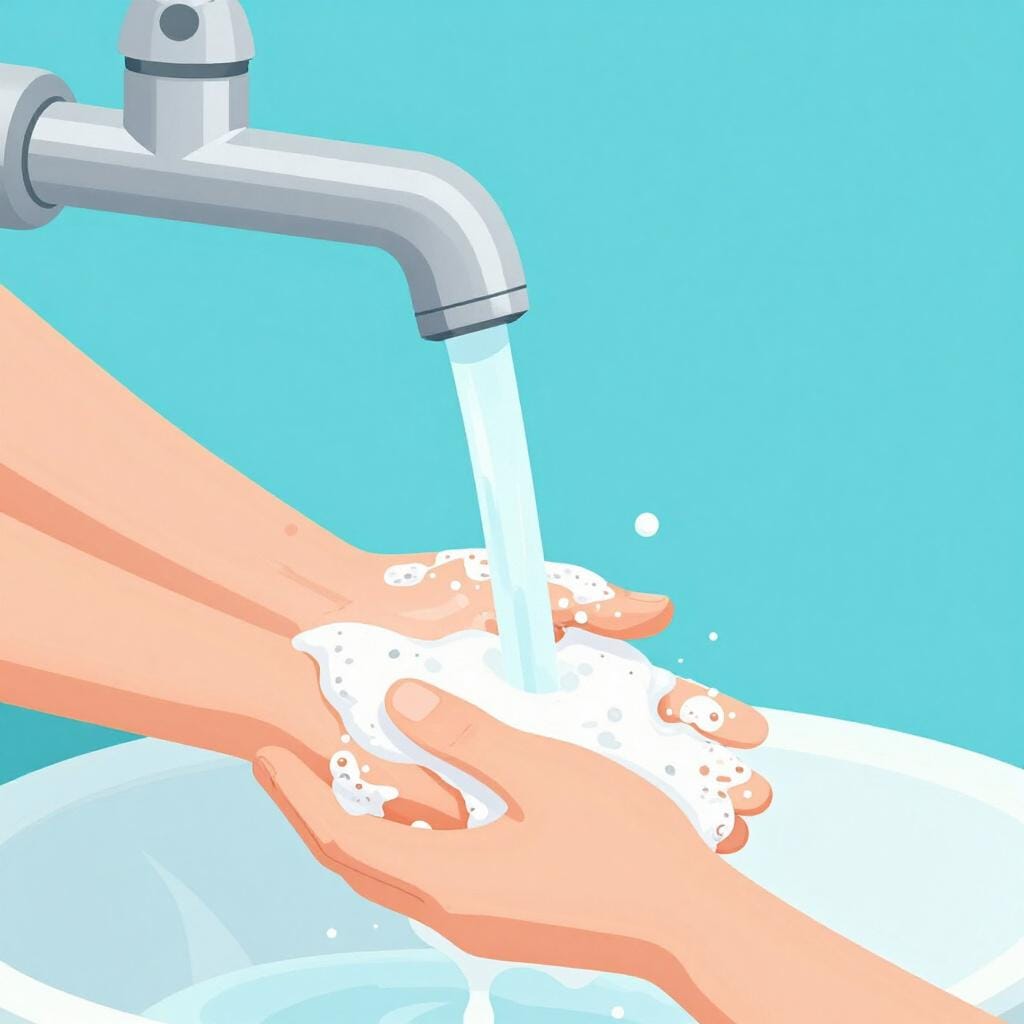
Examples
Es crucial mantener una buena higiene personal para evitar enfermedades.
It is crucial to maintain good personal hygiene to avoid illnesses.
La higiene personal es fundamental para la salud.
Personal hygiene is fundamental for health.
Es importante mantener una buena higiene en la cocina.
It is important to maintain good hygiene in the kitchen.
Lávate los dientes por higiene bucal.
Brush your teeth for oral hygiene.
Identifying Gender
Even though it ends in 'e', this word uses 'la' (la higiene). Many health-related words in Spanish ending in 'ene' or 'ina' follow this feminine pattern.
Using it with Verbs
In Spanish, you don't 'do' hygiene; you 'have' (tener), 'maintain' (mantener), or 'look after' (cuidar) it.
Wrong Gender
Mistake: “el higiene es importante”
Correction: la higiene es importante (higiene is always a feminine word).
General vs. Health-Related Cleanliness
Related Translations
Learn Spanish with Inklingo
Interactive stories, personalized learning, and more.