How to Say "consumed" in Spanish
The most common Spanish word for “consumed” is “bebido” — use 'bebido' when referring to the act of drinking a liquid.

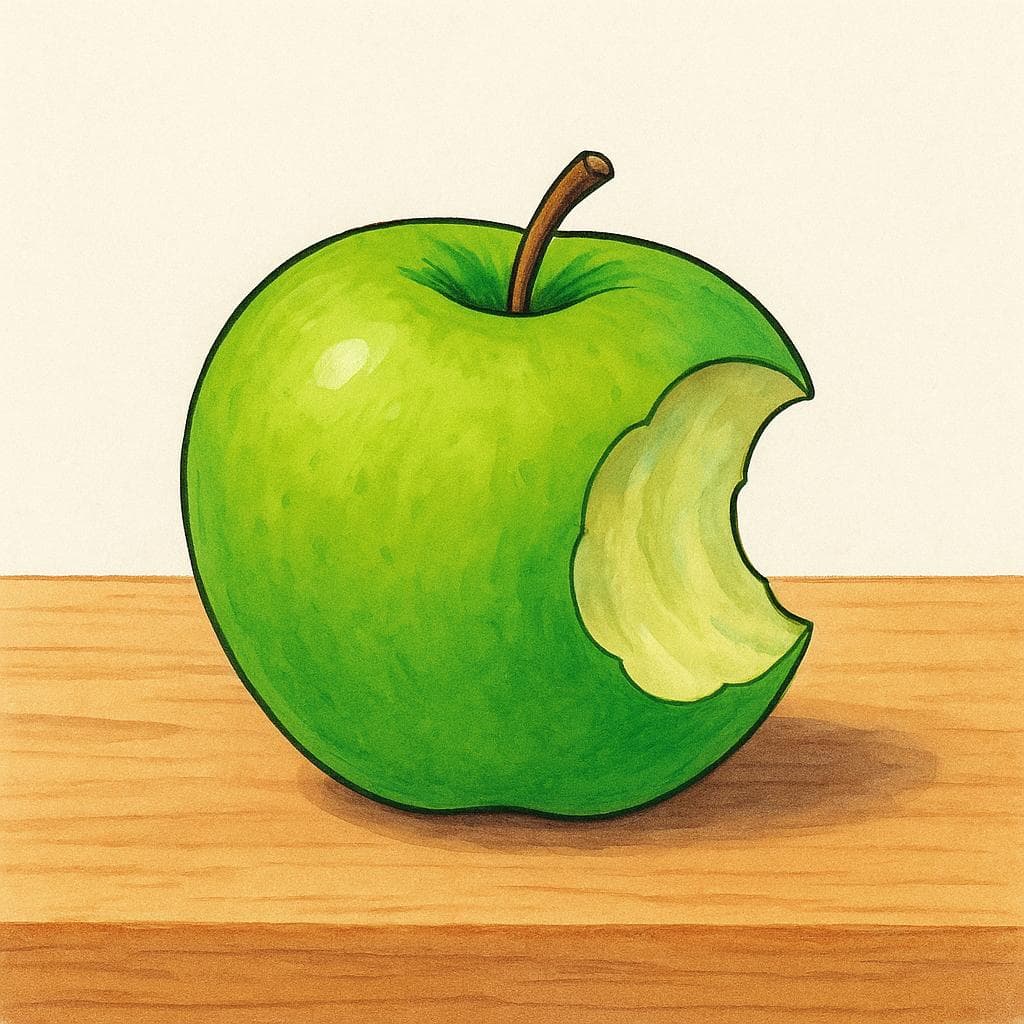
bebido
beh-BEE-dohbeˈβi.ðo

Examples
He bebido un vaso de agua antes de salir.
I have drunk a glass of water before leaving.
Ellos habían bebido todo el jugo de naranja.
They had drunk all the orange juice.
Forming Completed Actions
This word is the 'action done' form of 'beber' and must be combined with a form of the verb 'haber' (to have) to describe actions that have finished.
Using 'Estar' Instead of 'Haber'
Mistake: “Yo estoy bebido el agua.”
Correction: Yo he bebido el agua. (Remember to use 'haber' for forming completed actions, not 'estar'.)
comido
co-MÍ-dokoˈmiðo
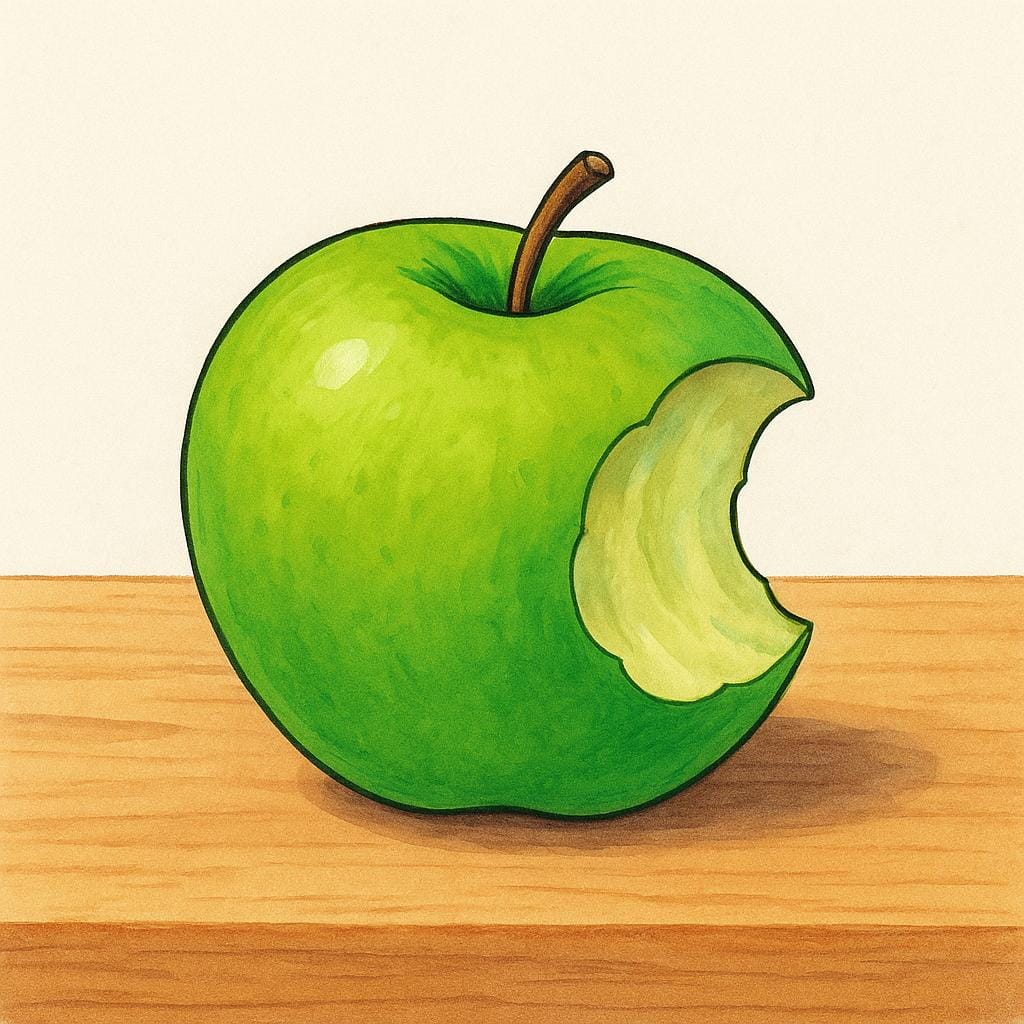
Examples
Solo queda la mitad del sándwich; la otra parte está comida.
Only half of the sandwich remains; the other part is eaten.
Después de la paella, estábamos todos comidos y satisfechos.
After the paella, we were all full and satisfied. (Informal usage)
Agreement is Key
When 'comido' describes a noun, it must match that noun in gender (masculine/feminine) and number (singular/plural): comido, comida, comidos, comidas.
Used with 'Estar'
As an adjective describing a state, 'comido' is usually used with the verb 'estar' (to be) to say that something is in an eaten state.
Forgetting Gender Agreement
Mistake: “La fruta está comido.”
Correction: La fruta está comida. Since 'fruta' is feminine, the adjective must end in -a.
comió
Examples
La inflación comió sus ahorros en pocos meses.
Inflation consumed (ate up) his savings in a few months.
Bebido vs. Comido/Comió
Learn Spanish with Inklingo
Interactive stories, personalized learning, and more.