How to Say "tipsy" in Spanish
The most common Spanish word for “tipsy” is “bebido” — use 'bebido' for a general, slightly drunk state that is noticeable, often implying a mild impairment.


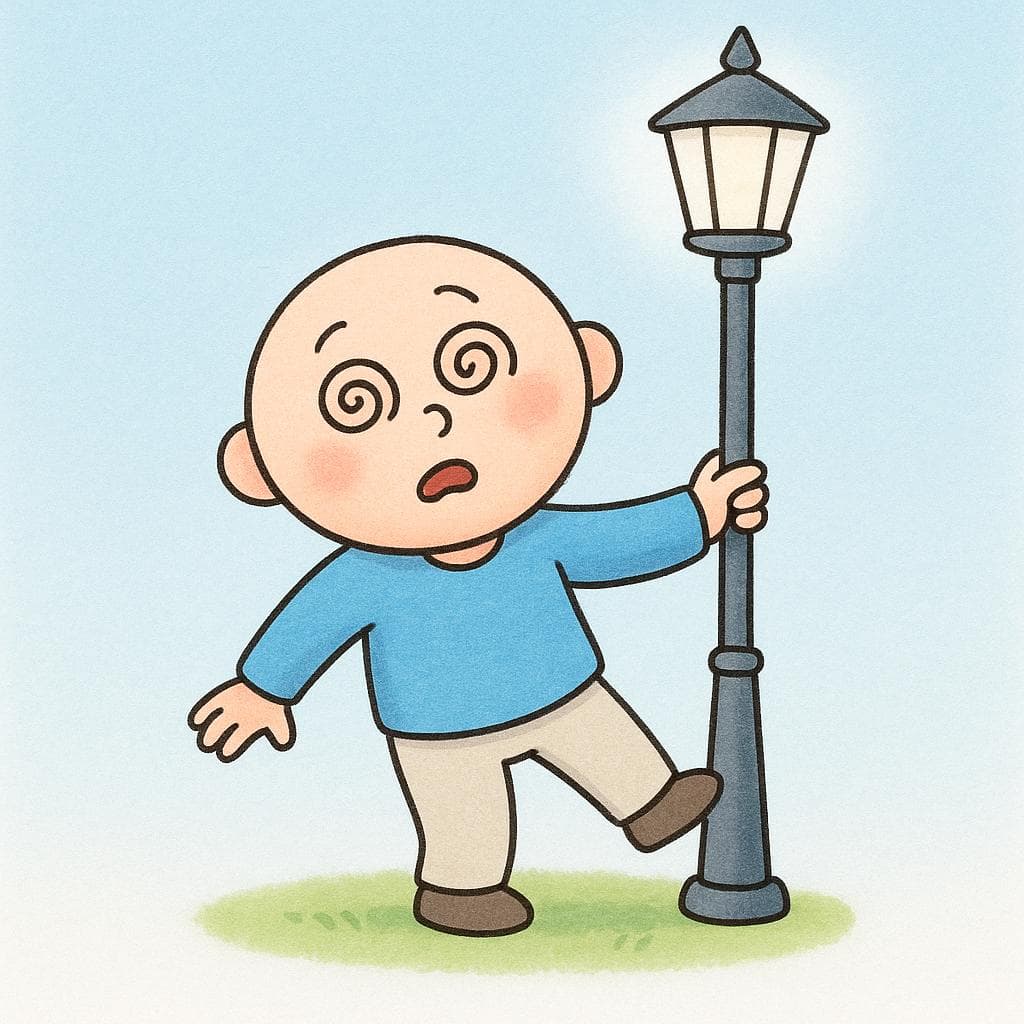


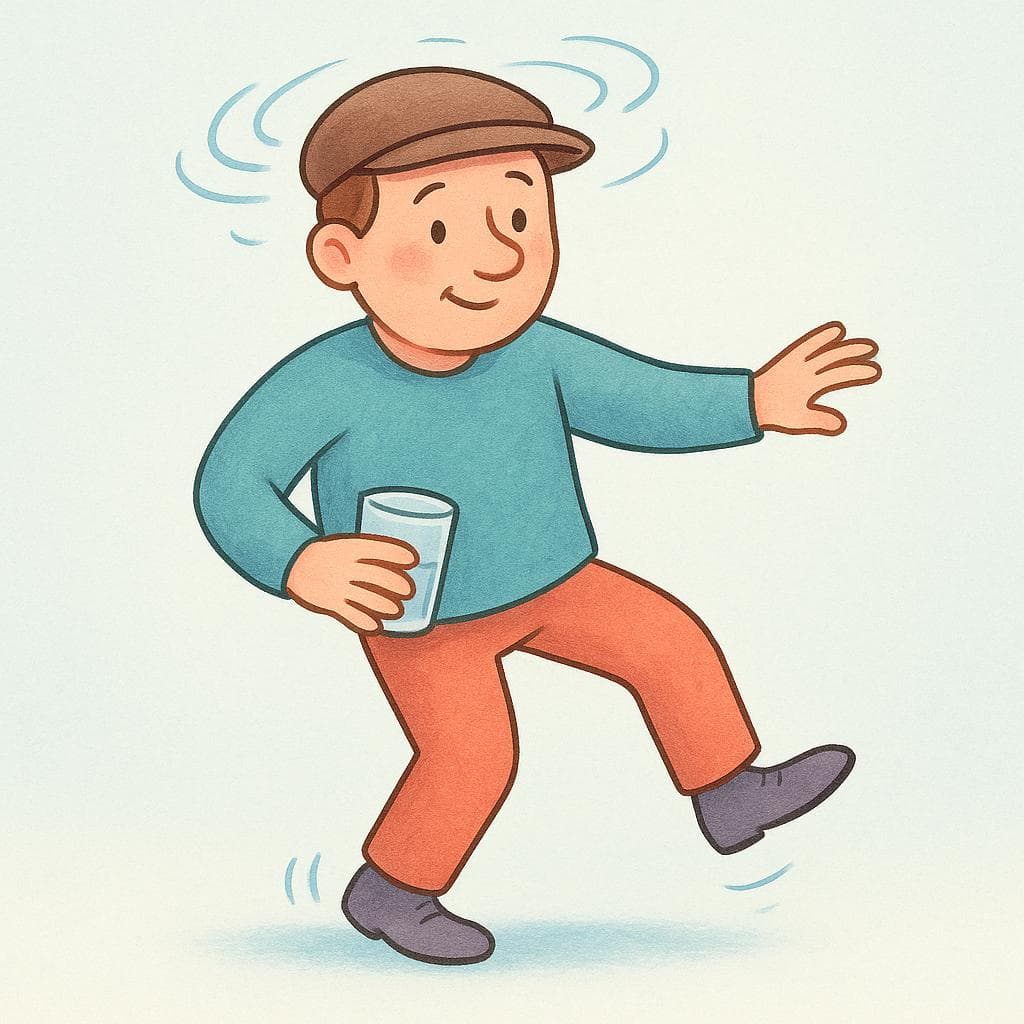
bebido
beh-BEE-dohbeˈβi.ðo

Examples
El hombre estaba claramente bebido y no podía conducir.
The man was clearly drunk and couldn't drive.
Llegó un poco bebida a la cena, pero nadie lo notó.
She arrived a little tipsy at dinner, but no one noticed.
It Must Match!
When 'bebido' is used as an adjective (meaning 'drunk'), it must change its ending to match the person or thing it describes: bebido (m. sing.), bebida (f. sing.), bebidos (m. plural), bebidas (f. plural).
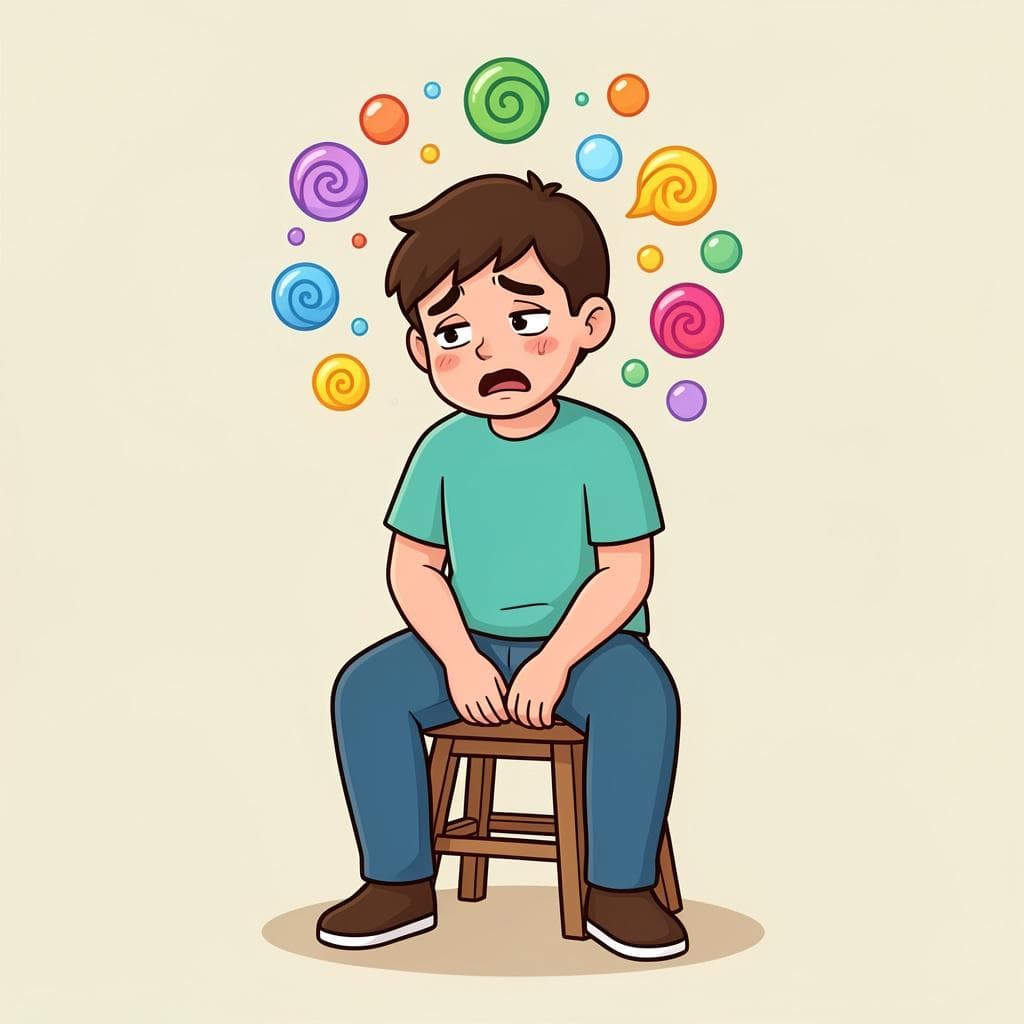
mareado
mah-reh-AH-dohmaɾeˈaðo

Examples
Me siento un poco mareado después de girar tanto.
I feel a bit dizzy after spinning so much.
Ella siempre se pone mareada cuando viaja en la parte de atrás del coche.
She always gets motion sick when she travels in the back of the car.
Bebió solo una copa de vino y ya está un poco mareado.
He only drank one glass of wine and he's already a bit tipsy.
Use with 'Estar' not 'Ser'
Since feeling dizzy is a temporary state or feeling, you must use the verb 'estar'. Saying 'soy mareado' would sound like being dizzy is a permanent personality trait!
Matching the Person
The word changes its ending based on who is feeling it. Use 'mareado' for a man and 'mareada' for a woman.
The 'Sick' Confusion
Mistake: “Using 'mareado' for a general illness like a cold.”
Correction: Use 'enfermo' for being sick with a cold/flu. Use 'mareado' specifically for that spinning head or upset stomach feeling.
tomado
toh-MAH-dohtoˈmaðo
Examples
Creo que ya está un poco tomado, no debería conducir.
I think he is a bit drunk now; he shouldn't drive.
Todos terminaron la fiesta un poco tomados.
Everyone finished the party a little tipsy.
The Slang Connection
This informal meaning is an extension of the primary meaning 'consumed' or 'drunk' (referring to alcohol). Use this adjective with 'estar' to describe someone's current state.
prendido
pren-DEE-dohpɾenˈdiðo

Examples
Después de dos copas de vino, Juan ya estaba prendido.
After two glasses of wine, Juan was already tipsy.
¡La fiesta está muy prendida!
The party is really hyped!
Slang Usage
When describing a person's mood, this always stays as an adjective and usually follows the verb 'estar'.
subido
soo-BEE-dohsuˈβiðo

Examples
Después de la fiesta, Juan estaba un poco subido.
After the party, Juan was a little tipsy.
ebrio
EH-bree-ohˈeβɾjo
Examples
El conductor fue detenido porque estaba ebrio.
The driver was detained because he was drunk.
Después de la celebración, la gente se sentía ebria de alegría.
After the celebration, people felt intoxicated with joy (figurative).
Ella no estaba ebria, solo un poco mareada.
She wasn't drunk, just a little dizzy.
Adjective Agreement
Like all Spanish descriptive words, 'ebrio' must change its ending to match the person or thing it describes. Use 'ebria' for a female, 'ebrios' for multiple males or mixed groups, and 'ebrias' for multiple females.
Confusing 'ebrio' and 'borracho'
Mistake: “Using 'ebrio' when speaking casually with friends.”
Correction: While correct, 'borracho' is much more common in casual conversation. Use 'ebrio' for news reports or official documents, where the tone is more serious.
bolos
BOH-lohsˈbolos
Examples
Ellos se pusieron muy bolos en la fiesta.
They got very drunk at the party.
General vs. Specific Intoxication
Learn Spanish with Inklingo
Interactive stories, personalized learning, and more.