How to Say "crap" in Spanish
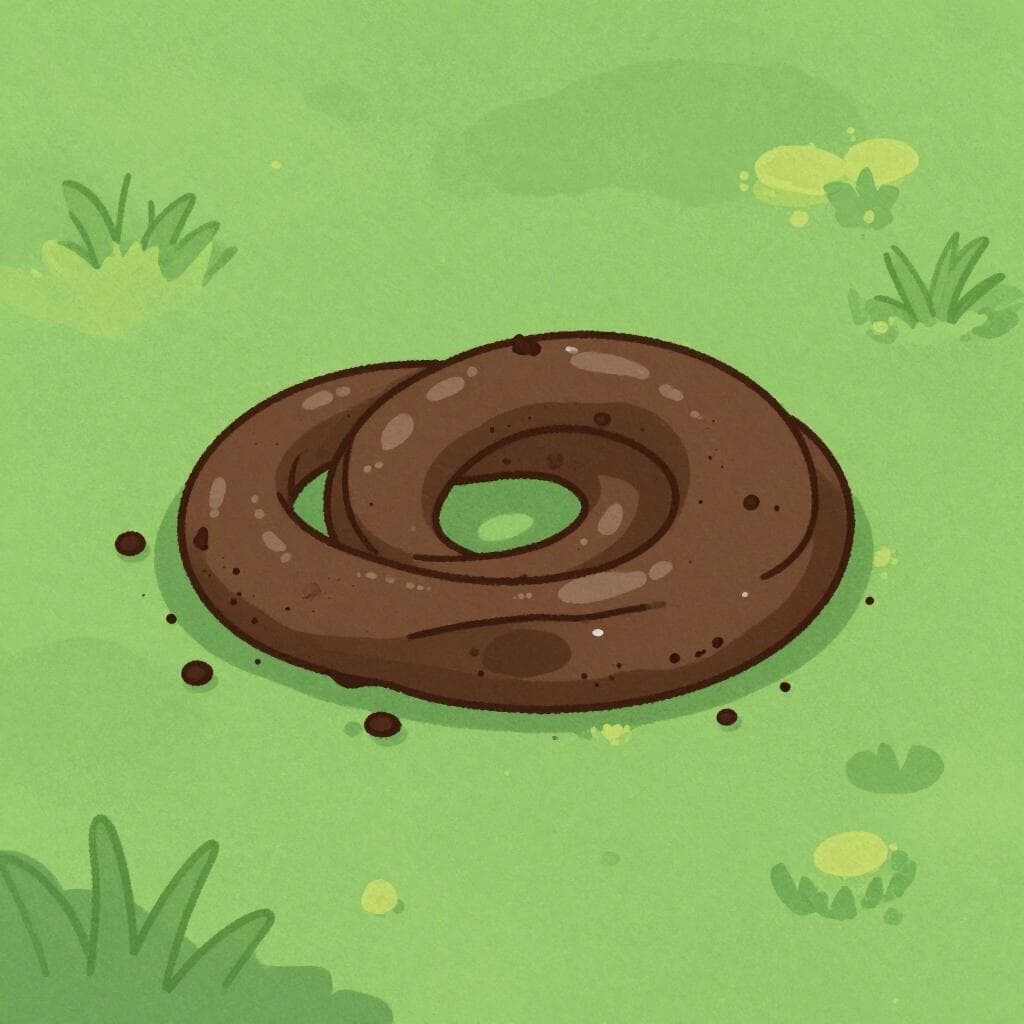
The most common Spanish word for “crap” is “caca” — use 'caca' when you want to describe something as being of very poor quality or worthless, similar to saying 'this is rubbish'.

KAH-kahˈkaka

Examples
Este informe es una caca.
This report is crap.
Esta película es una caca.
This movie is crap.
Mi teléfono nuevo es una caca, no funciona bien.
My new phone is junk; it doesn't work well.
Todo lo que venden en esa tienda es una caca.
Everything they sell in that store is trash.
Using 'Una'
When using this word to mean 'crap' or 'garbage', we almost always put 'una' before it: 'Es una caca'.
Confusion with 'Mierda'
Mistake: “Calling something 'caca' in a formal meeting.”
Correction: Use 'de mala calidad' instead. While 'caca' is less offensive than 'mierda', it's still very childish slang.
MYER-dahˈmjeɾ.ða

Examples
¡Mierda! Se me ha caído el café.
Shit! I dropped my coffee.
Ten cuidado, hay una mierda de perro en el suelo.
Be careful, there is some dog poop on the floor.
Este coche es una mierda; siempre se rompe.
This car is a piece of junk; it always breaks down.
No entiendo una mierda de lo que dice el profesor.
I don't understand a single damn thing the teacher is saying.
Using 'Una mierda de' as a Describing Phrase
When you put 'una mierda de' before another word, it acts like a very strong negative adjective to say that thing is terrible (e.g., 'una mierda de película' = a crappy movie).
Double Negatives with 'Mierda'
When used to mean 'nothing,' it follows the Spanish double-negative rule. You must say 'No sé una mierda' (I don't know a shit) to mean 'I don't know anything at all.'
Thinking it's 'Gender Neutral'
Mistake: “Using 'el mierda' to talk about a situation.”
Correction: Always use 'la mierda' because it is a feminine noun, regardless of what you are complaining about.
Quality vs. Excrement
Learners often confuse 'caca' and 'mierda' when referring to poor quality. Remember that 'caca' is specifically for bad quality, while 'mierda' is a stronger, more general vulgarity that can also mean literal poop.
Related Translations
Learn Spanish with Inklingo
Interactive stories, personalized learning, and more.