caca
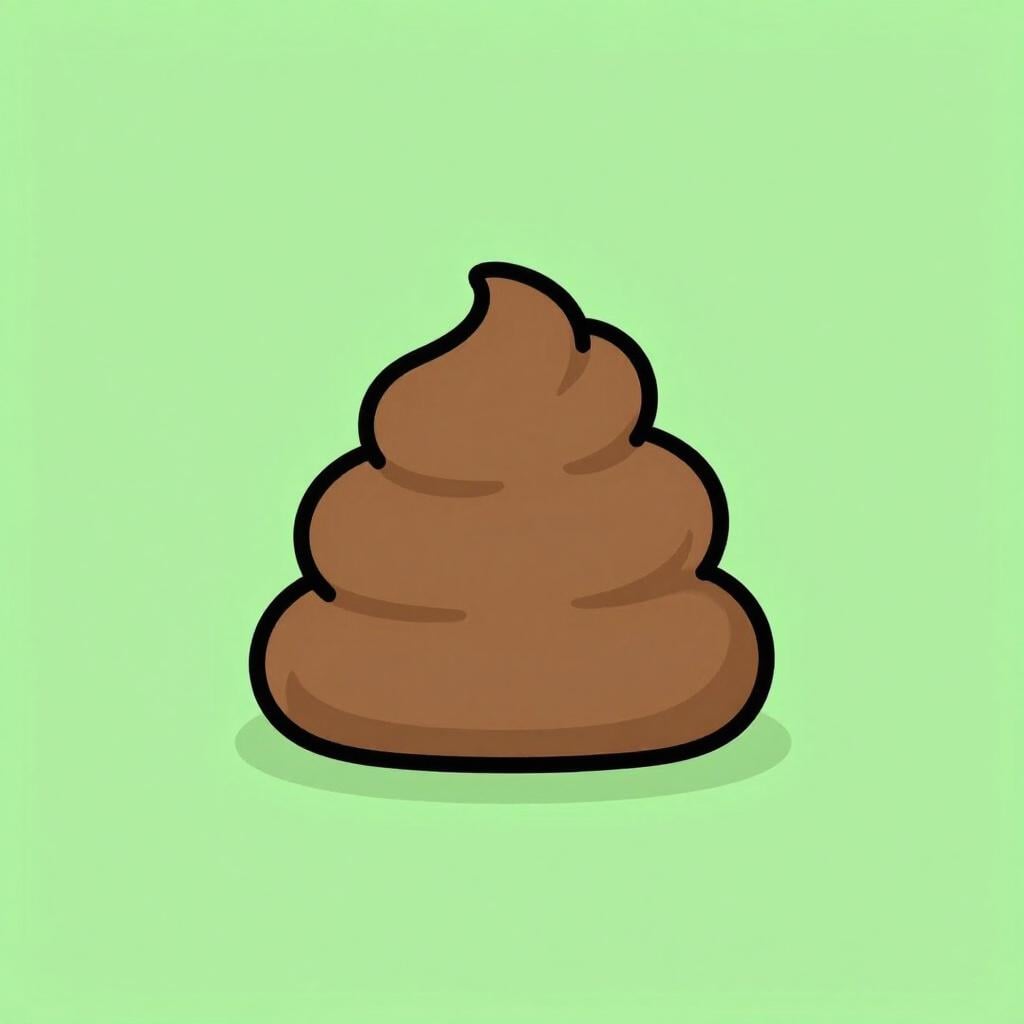
“caca” means “poop” in Spanish. It has 2 different meanings depending on context:


poopAlso: poo, feces
📝 In Action
El perro hizo caca en el jardín.
A1The dog pooped in the garden.
¡No toques eso, es caca!
A1Don't touch that, it's poop!
El niño dice que tiene ganas de hacer caca.
A2The boy says he feels like pooping.
Word Connections
crapAlso: junk, trash

📝 In Action
Esta película es una caca.
B1This movie is crap.
Mi teléfono nuevo es una caca, no funciona bien.
B1My new phone is junk; it doesn't work well.
Todo lo que venden en esa tienda es una caca.
B2Everything they sell in that store is trash.
Word Connections
✏️ Quick Practice
Quick Quiz: caca
Question 1 of 3
Which verb is typically used with 'caca' to say 'to poop'?
📚 More Resources
👥 Word Family
🎵 Rhymes
📚 Etymology
Derived from the Latin 'cacare', a word used for thousands of years to describe the act of pooping. It is considered a 'nursery word' (baby talk) that survived through the centuries.
First recorded: 13th century
Cognates (Related words)
💡 Master Spanish
Take your Spanish to the next level. Read 200+ illustrated and narrated Spanish stories tailored to your level with the Inklingo app!
Frequently Asked Questions
Is 'caca' a swear word in Spanish?
Not really. It is considered 'childish' rather than 'offensive'. While you wouldn't use it in a formal setting, it is the standard word parents use with children and is much milder than the word 'mierda'.
Can I use 'caca' to describe a person?
It is uncommon. Usually, it describes objects, situations, or the physical waste itself. Calling a person 'una caca' sounds very childish, like a playground insult.
What is the difference between 'caca' and 'popó'?
'Popó' is even more childish and 'softer' than 'caca'. It is equivalent to saying 'poo-poo' in English.