How to Say "cylinder" in Spanish
The most common Spanish word for “cylinder” is “cilindro” — use 'cilindro' when referring to the geometric shape or a general object with that form, like in math or drawing.

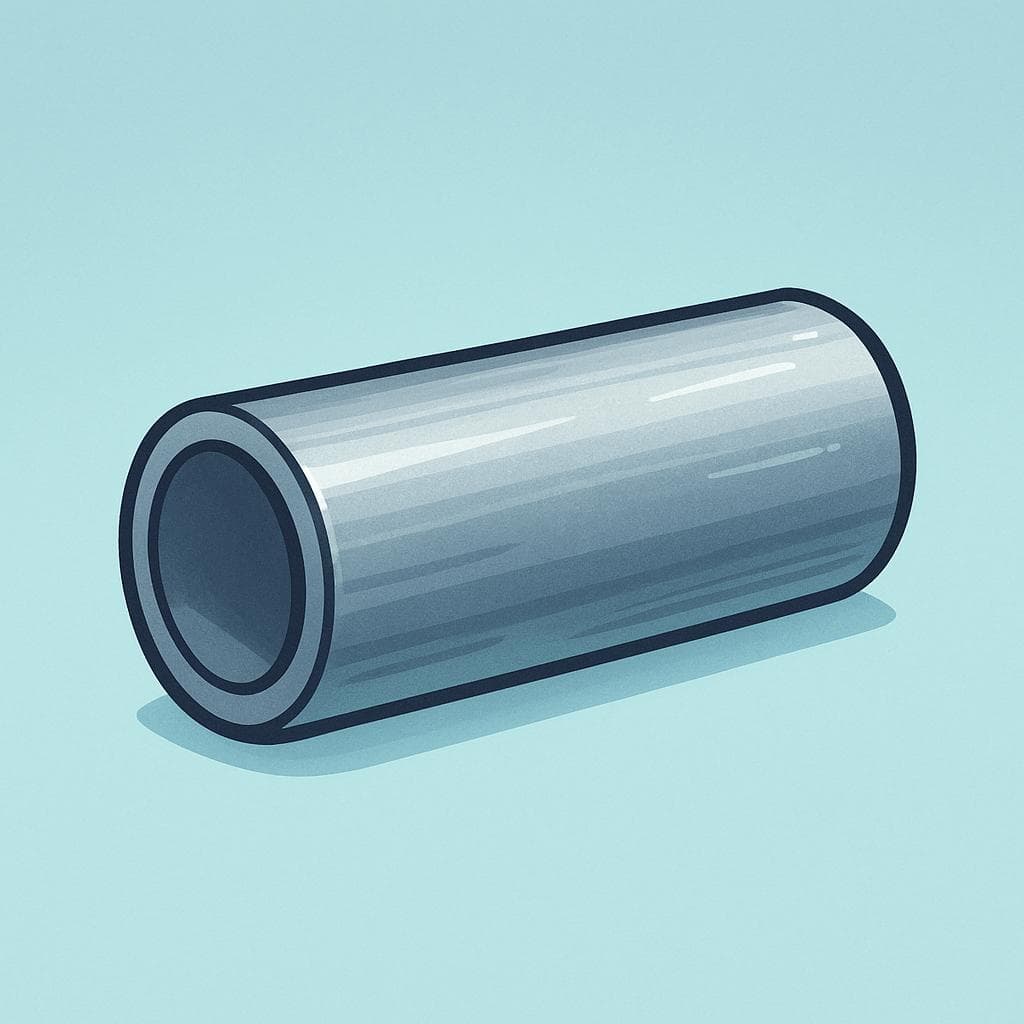

cilindro
see-LEEN-drohθiˈlindo

Examples
Dibuja un cilindro en tu cuaderno.
Draw a cylinder in your notebook.
La base de la columna tiene forma de cilindro.
The base of the column is shaped like a cylinder.
El rodillo es un cilindro de metal muy pesado.
The roller is a very heavy metal cylinder.
Mi coche tiene un motor de cuatro cilindros.
My car has a four-cylinder engine.
Always Masculine
Even though it ends in 'o', it's helpful to remember it always uses masculine articles: 'el cilindro' or 'un cilindro'.
Pluralizing Machines
When talking about engines, we almost always use the plural 'cilindros' to describe the type of motor.
Cilindro vs. Cilindrada
Mistake: “Me gusta la cilindro de este coche.”
Correction: Me gusta la cilindrada de este coche. Use 'cilindrada' for engine capacity, and 'cilindro' for the physical part.
Missing the 'i'
Mistake: “el celindro”
Correction: el cilindro. It starts with 'ci-', just like 'circle'.
cilindro
Examples
Mi coche tiene un motor de cuatro cilindros.
My car has a four-cylinder engine.
tubo
too-bohˈtuβo
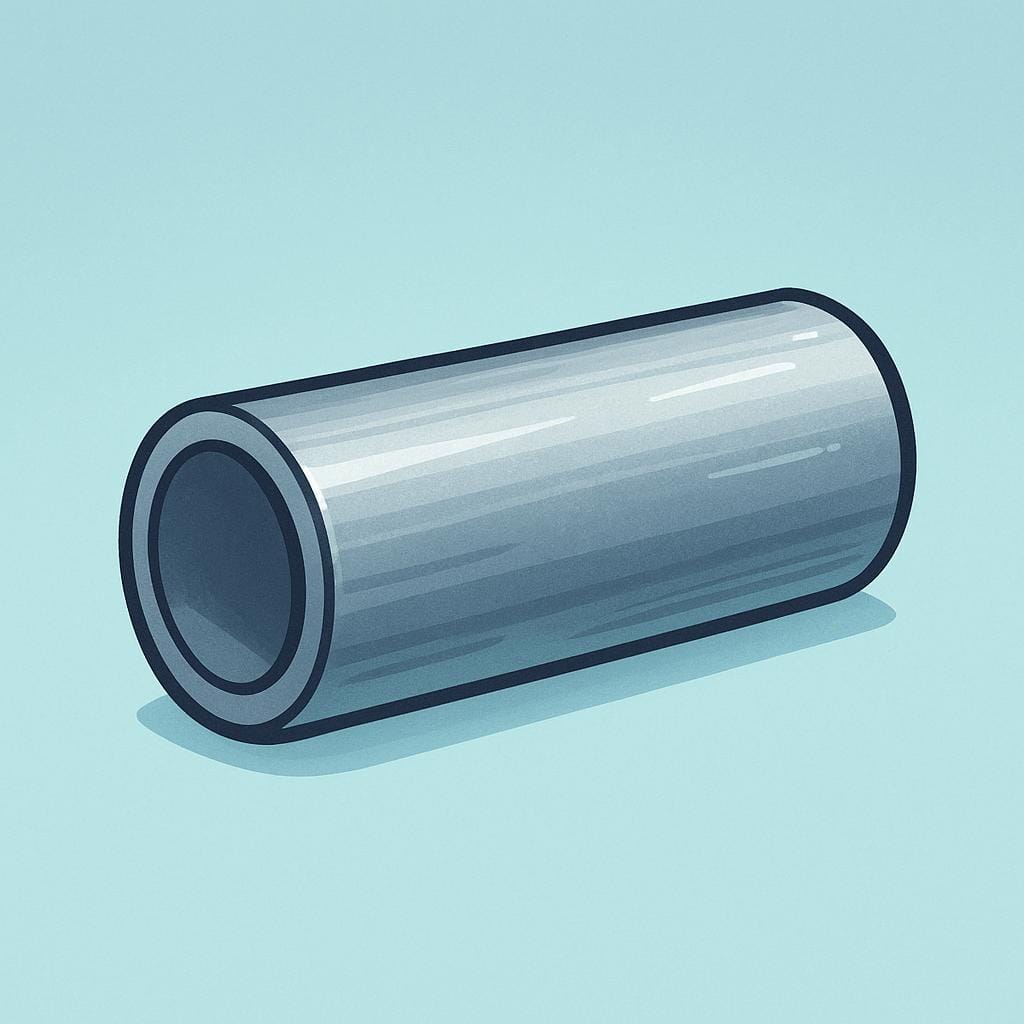
Examples
Necesitamos reemplazar el tubo de agua caliente.
We need to replace the hot water pipe.
Por favor, pásame el tubo de pegamento.
Please pass me the tube of glue.
El niño miraba los peces en el tubo de cristal.
The boy watched the fish in the glass tube.
Gender Reminder
Since 'tubo' ends in -o, it is a masculine noun. Remember to use 'el' (the) or 'un' (a) before it.
Confusing Noun and Verb
Mistake: “Using 'el tubo' when you mean 'he had' (él tuvo).”
Correction: Make sure you use the correct ending: 'tubo' (noun) vs. 'tuvo' (verb form of tener).
tambor
tam-BORtamˈboɾ

Examples
La ropa está atrapada en el tambor de la lavadora.
The clothes are stuck in the washing machine drum.
Este coche todavía tiene frenos de tambor en las ruedas traseras.
This car still has drum brakes on the rear wheels.
La cúpula descansa sobre un tambor octogonal.
The dome rests on an octagonal drum.
Describing Parts
When talking about machines, 'tambor' follows the noun it belongs to using 'de': 'el tambor de la lavadora'.
Cilindro vs. Tubo
Learn Spanish with Inklingo
Interactive stories, personalized learning, and more.