How to Say "pipe" in Spanish
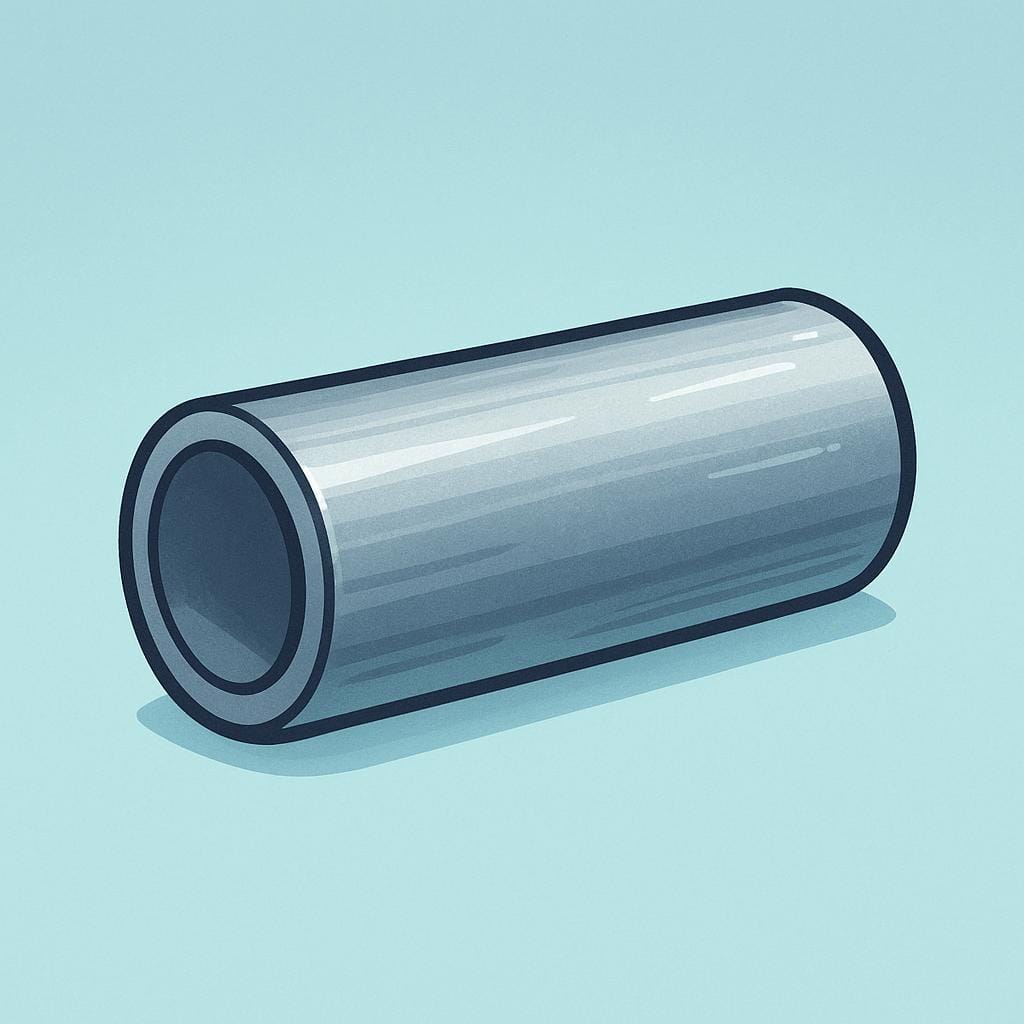
The most common Spanish word for “pipe” is “tubo” — use 'tubo' for pipes related to plumbing, construction, or general hollow cylinders used to carry fluids or gases.
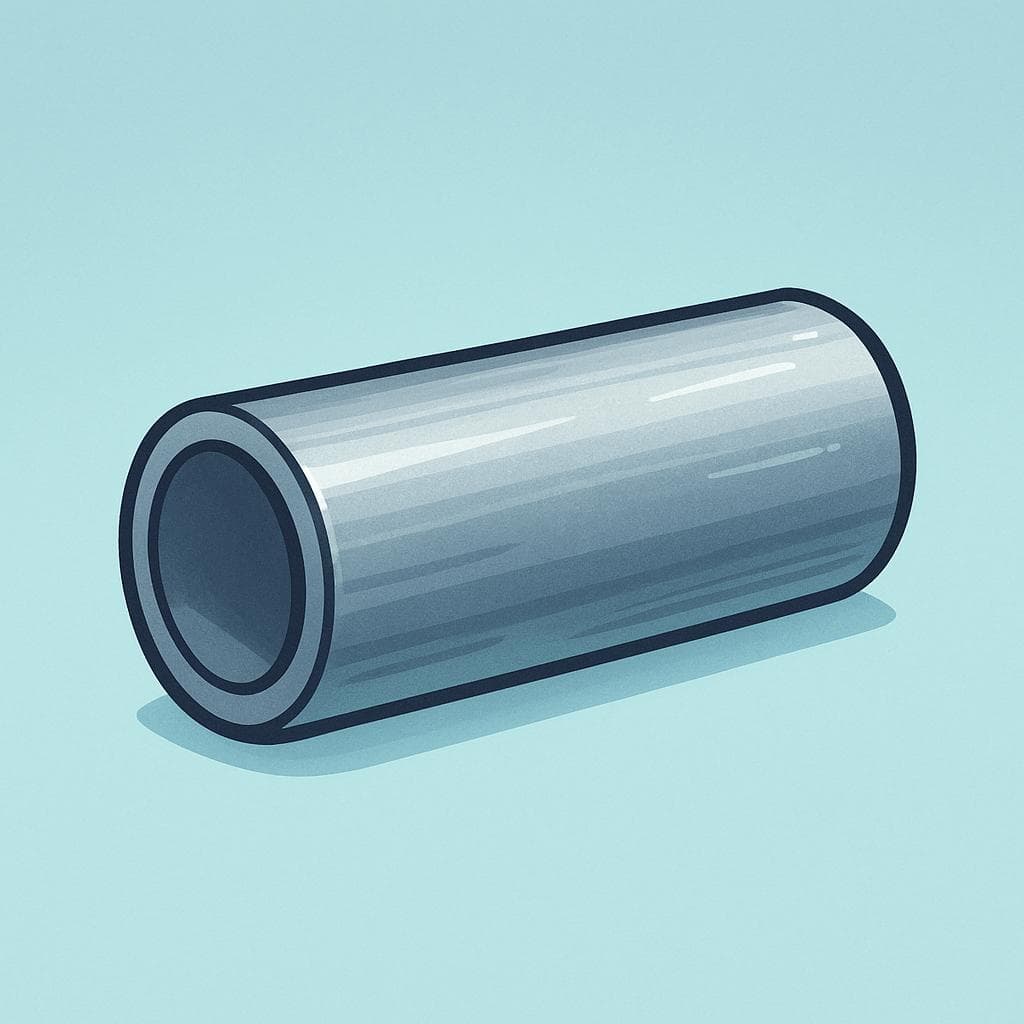

tubo
too-bohˈtuβo
Examples
Necesitamos reemplazar el tubo de agua caliente.
We need to replace the hot water pipe.
Por favor, pásame el tubo de pegamento.
Please pass me the tube of glue.
El niño miraba los peces en el tubo de cristal.
The boy watched the fish in the glass tube.
Gender Reminder
Since 'tubo' ends in -o, it is a masculine noun. Remember to use 'el' (the) or 'un' (a) before it.
Confusing Noun and Verb
Mistake: “Using 'el tubo' when you mean 'he had' (él tuvo).”
Correction: Make sure you use the correct ending: 'tubo' (noun) vs. 'tuvo' (verb form of tener).
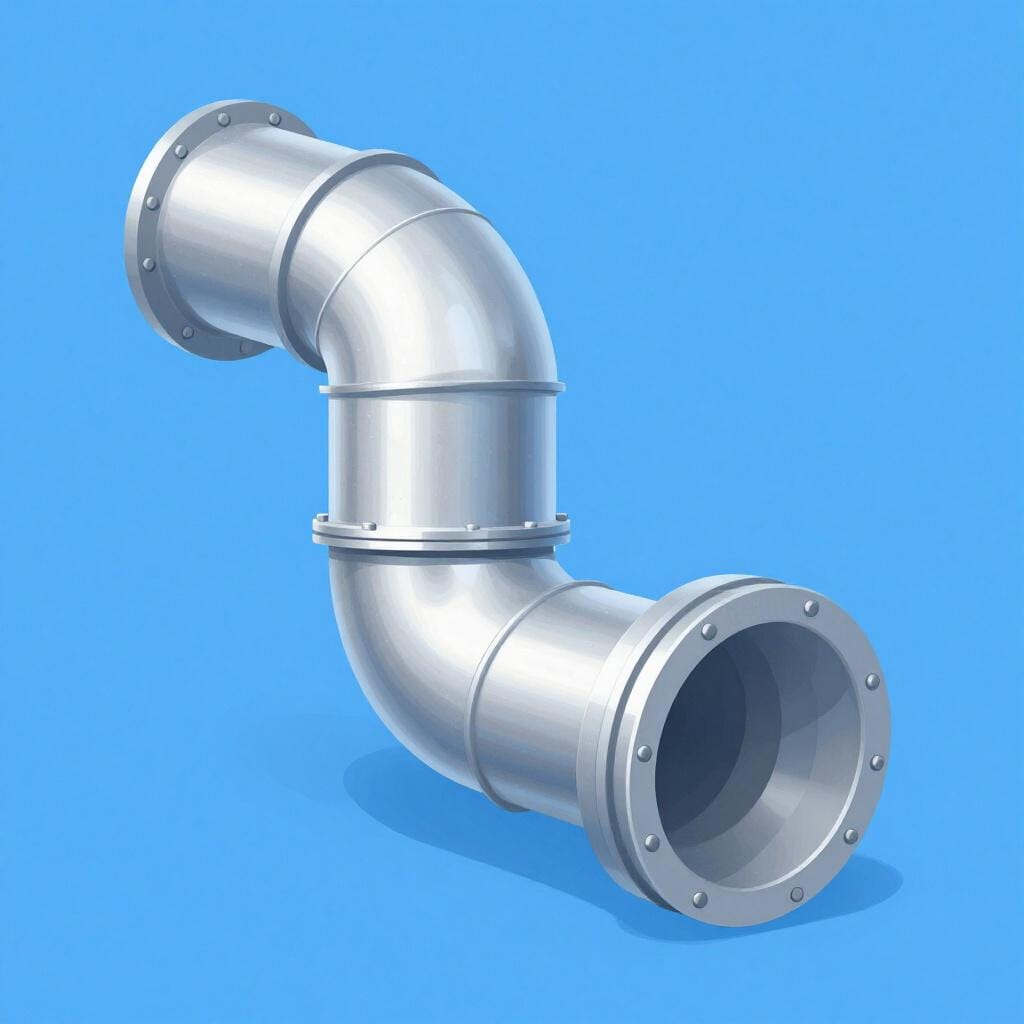
conducto
con-DOOC-tohkonˈdukto
Examples
El aire pasa por el conducto de ventilación.
The air passes through the ventilation duct.
El cirujano operó el conducto lagrimal del paciente.
The surgeon operated on the patient's tear duct.
Los cables eléctricos van protegidos dentro de un conducto.
The electrical cables are protected inside a conduit.
Always Masculine
Even though it ends in 'o', it follows the standard rule and is always 'el conducto' (masculine).
Pluralization
To talk about more than one, simply add an 's' to the end: 'los conductos'.
Conducto vs. Canal
Mistake: “Using 'canal' for internal body tubes.”
Correction: Use 'conducto' for biological tubes like tear ducts or ear canals; 'canal' is usually for larger paths or TV channels.
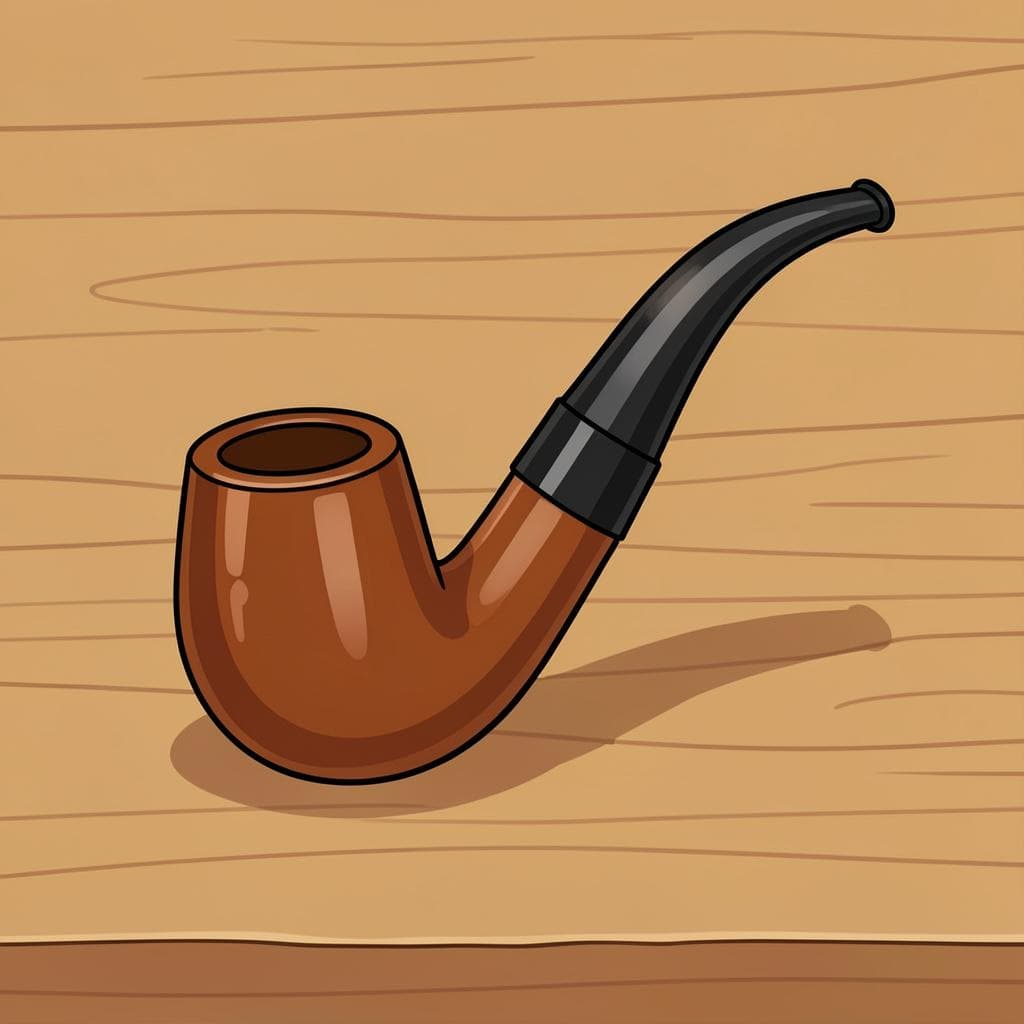
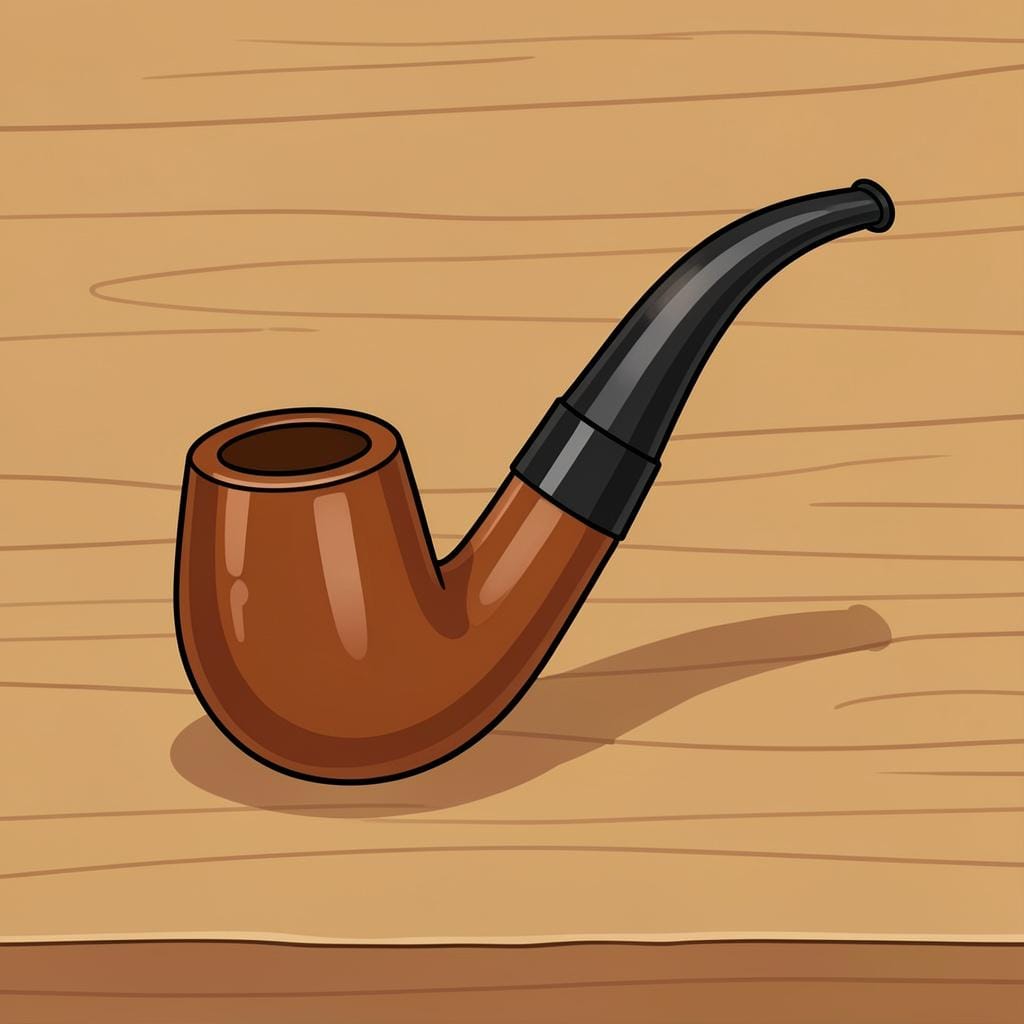
pipa
pee-pahˈpipa
Examples
Mi abuelo siempre fuma en pipa después de cenar.
My grandfather always smokes a pipe after dinner.
Necesito limpiar la pipa.
I need to clean the pipe.
Gender Check
This is a 'la' word (feminine). Even though it describes an object often associated with older men in literature, the word itself is always feminine: 'la pipa'.
Confusing 'tubo' and 'conducto'
Learn Spanish with Inklingo
Interactive stories, personalized learning, and more.