How to Say "gun" in Spanish
The most common Spanish word for “gun” is “arma” — use 'arma' as a general, all-purpose term for any weapon, including a firearm, especially when the specific type isn't important or known.


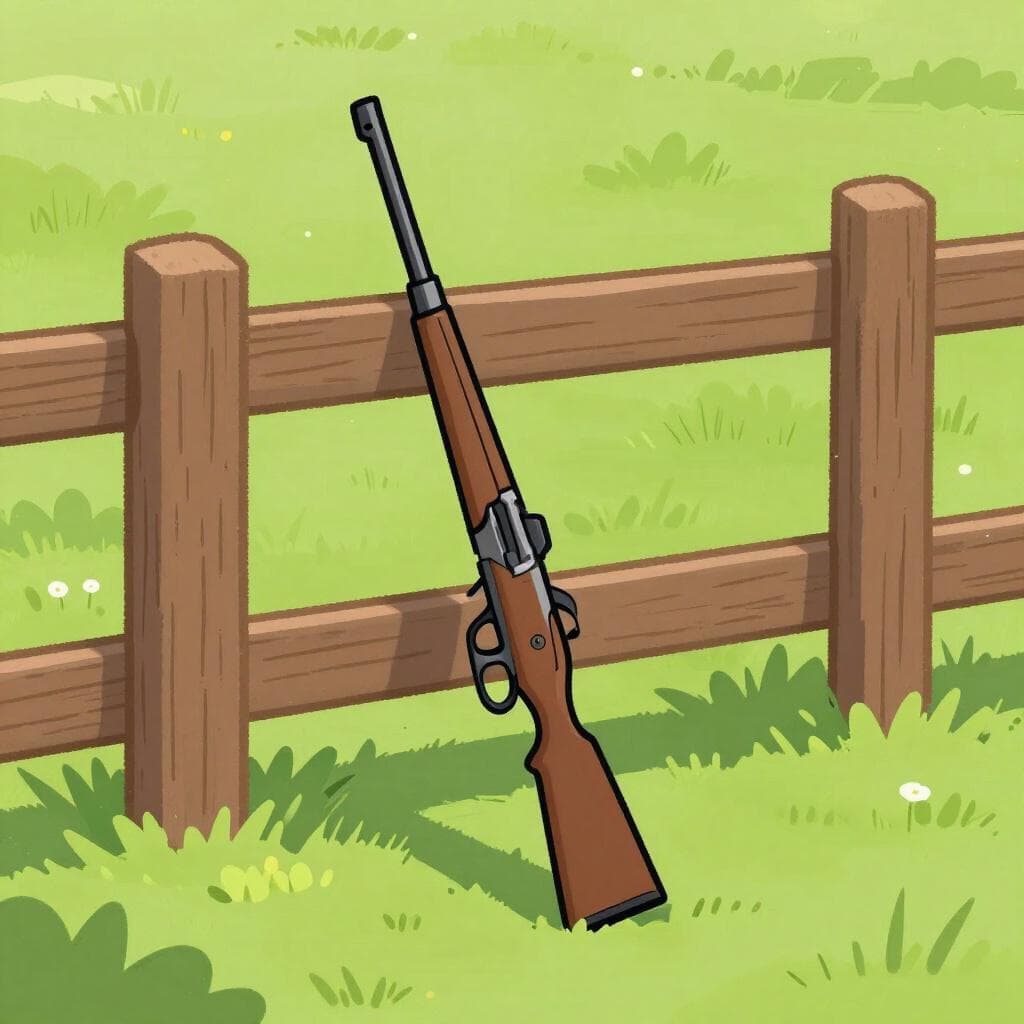
arma
AR-maˈaɾma

Examples
El guardia de seguridad llevaba un arma.
The security guard carried a gun.
El soldado llevaba un arma para protegerse.
The soldier carried a weapon to protect himself.
La policía encontró el arma del crimen en el parque.
The police found the murder weapon in the park.
Tener un arma de fuego requiere una licencia especial.
Having a firearm requires a special license.
The 'el arma' Rule
Even though 'arma' is a feminine word (meaning you'd say 'las armas' for plural), we use 'el' in the singular ('el arma'). This is just to make it sound better and avoid the two 'a' sounds running together in 'la arma'. This happens with other feminine words that start with a stressed 'a' sound, like 'agua' ('el agua').
Using 'la' instead of 'el'
Mistake: “Vi la arma en la mesa.”
Correction: Vi el arma en la mesa. Remember, for singular feminine nouns starting with a stressed 'a', we borrow 'el' to make it flow nicely. But if you add an adjective, it goes back to 'la'! For example: 'la potente arma' (the powerful weapon).
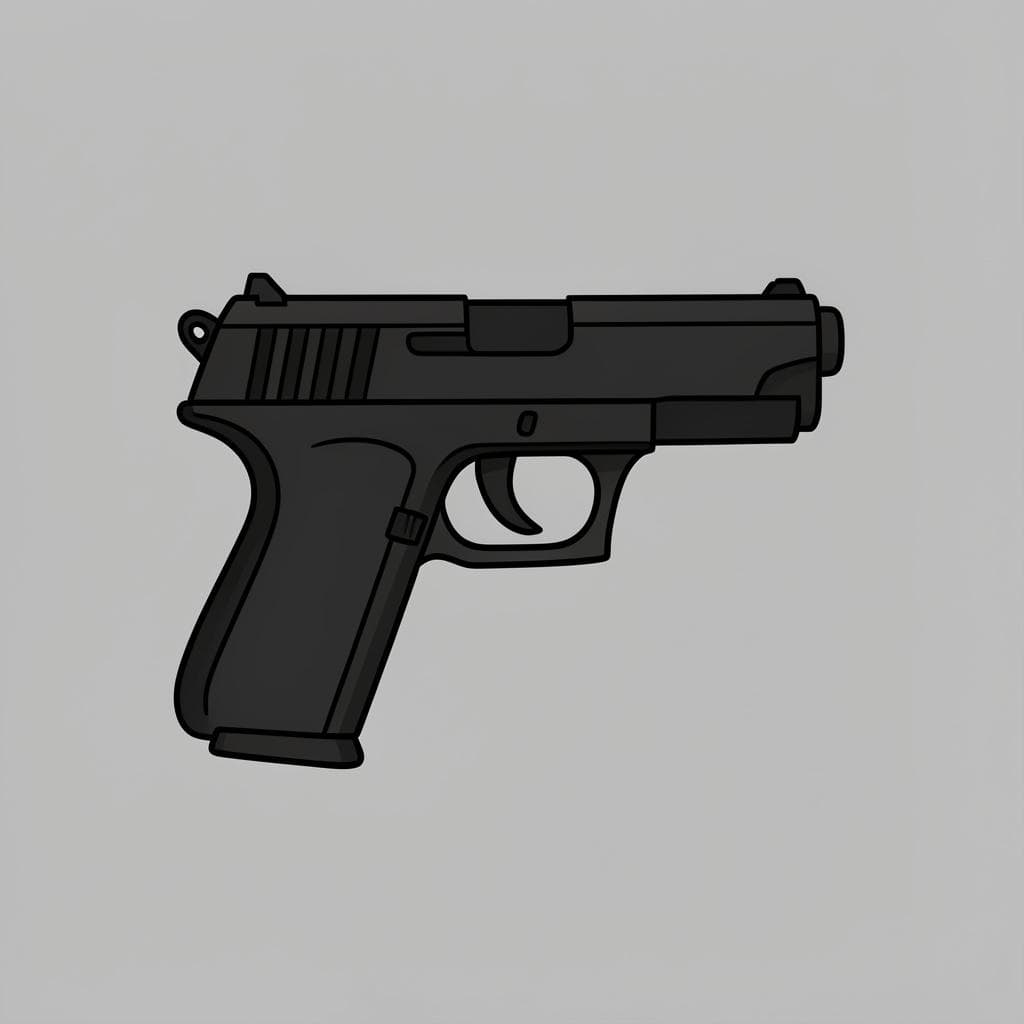
pistola
pees-TOH-lahpisˈtola

Examples
El policía sacó su pistola de la funda.
The police officer took his pistol out of the holster.
En las películas de vaqueros, siempre hay alguien con una pistola en el cinto.
In cowboy movies, there is always someone with a gun on their belt.
Gender Reminder
Remember that 'pistola' is a feminine word, so you must use feminine articles and adjectives: 'una pistola vieja' (an old pistol).
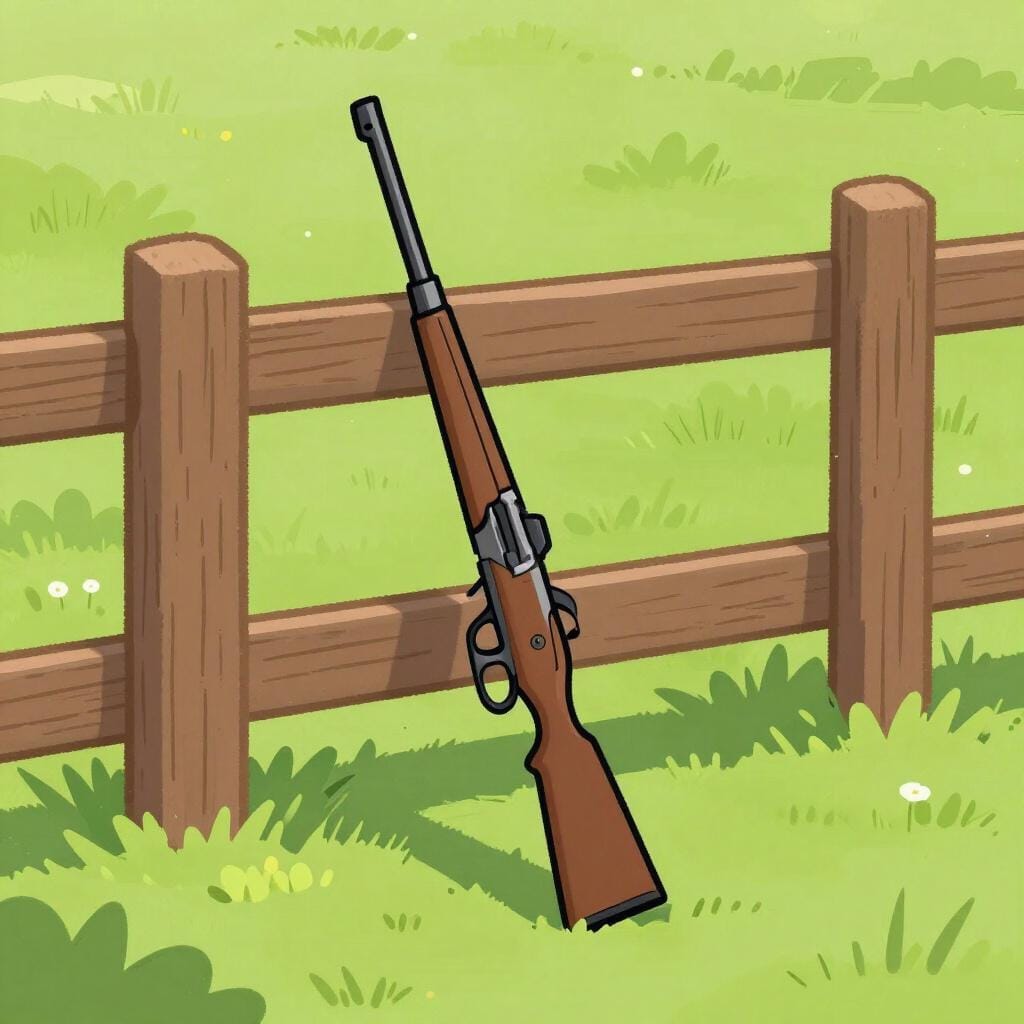
fusil
foo-SEELfuˈsil
Examples
El soldado limpiaba su fusil con mucho cuidado.
The soldier cleaned his rifle very carefully.
Es un fusil de asalto de última generación.
It is a state-of-the-art assault rifle.
Para pescar en estas aguas necesitas un fusil de pesca submarina.
To fish in these waters, you need an underwater speargun.
Making it plural
Since this word ends in a consonant (l), you add '-es' to make it plural: 'los fusiles'.
The Gender of Weapons
Most specific types of long guns like 'fusil' and 'cañón' are masculine, while general categories like 'arma' or 'pistola' are feminine (though 'arma' uses 'el' for sound reasons).
Fusil vs. Escopeta
Mistake: “Using 'fusil' to describe a bird-hunting gun.”
Correction: Use 'escopeta' for a shotgun. A 'fusil' has a rifled barrel for long distances; an 'escopeta' is usually for shorter range and hunting birds.
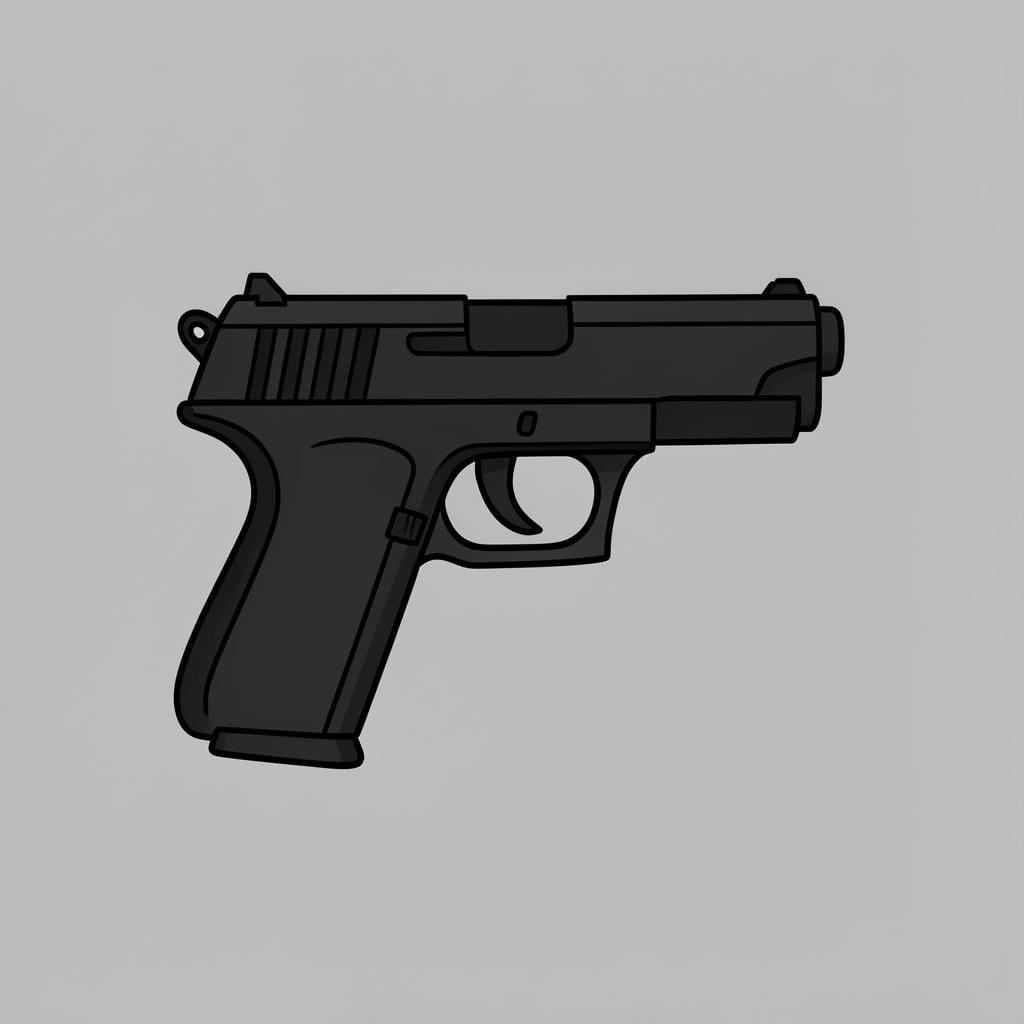
pipa
pee-pahˈpipa
Examples
El ladrón sacó una pipa y nos asustamos.
The thief pulled out a gun (piece) and we got scared.
General vs. Specific Firearms
Related Translations
Learn Spanish with Inklingo
Interactive stories, personalized learning, and more.