How to Say "rifle" in Spanish
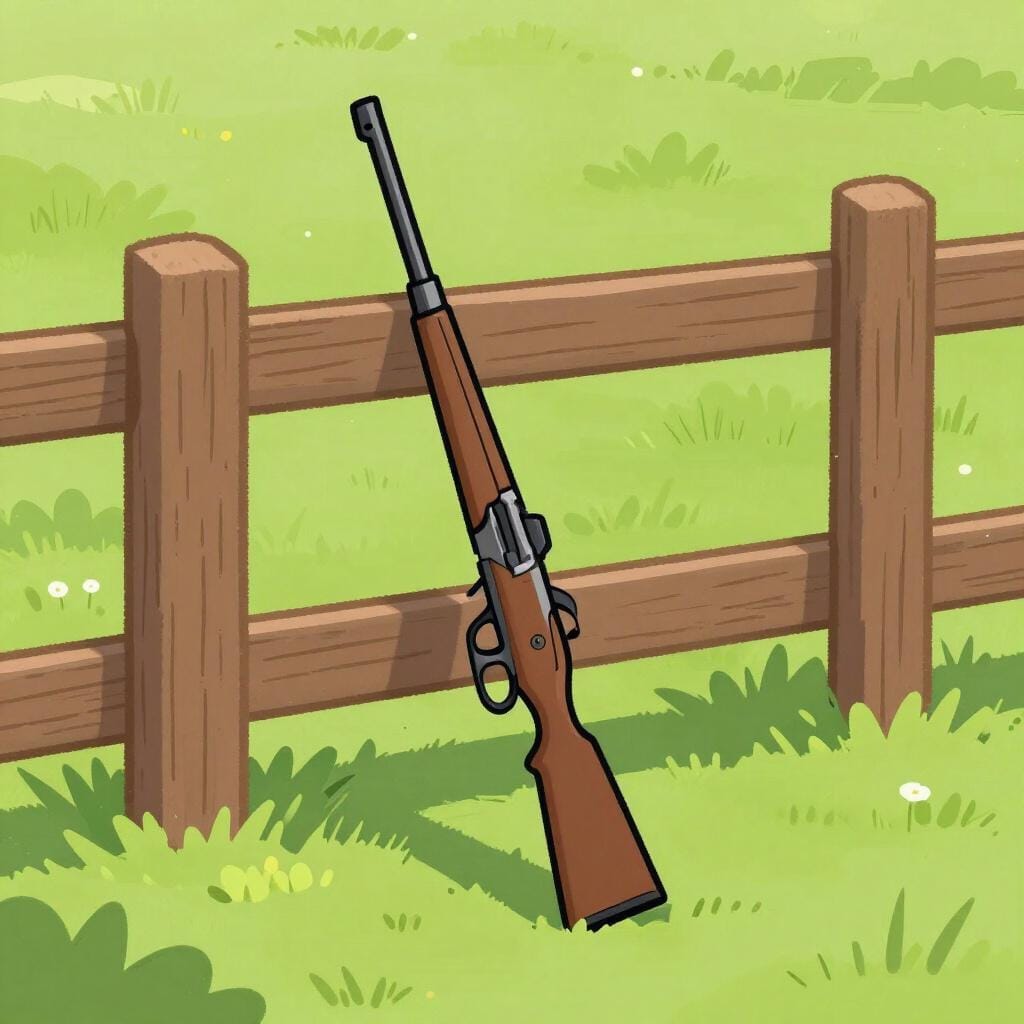
The most common Spanish word for “rifle” is “fusil” — use 'fusil' for a standard, long-barreled rifle, especially in military or historical contexts.
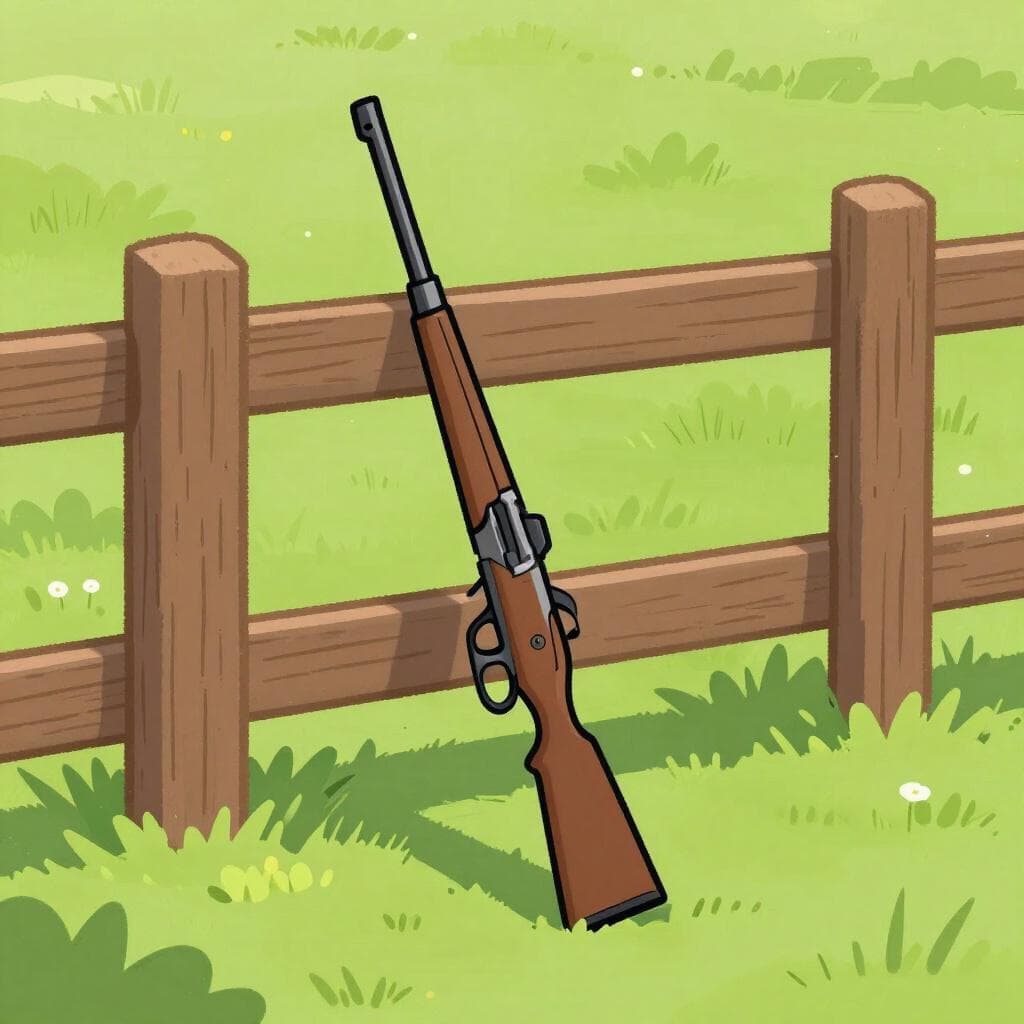
fusil
foo-SEELfuˈsil
Examples
El soldado limpiaba su fusil con mucho cuidado.
The soldier cleaned his rifle very carefully.
Es un fusil de asalto de última generación.
It is a state-of-the-art assault rifle.
Para pescar en estas aguas necesitas un fusil de pesca submarina.
To fish in these waters, you need an underwater speargun.
Making it plural
Since this word ends in a consonant (l), you add '-es' to make it plural: 'los fusiles'.
The Gender of Weapons
Most specific types of long guns like 'fusil' and 'cañón' are masculine, while general categories like 'arma' or 'pistola' are feminine (though 'arma' uses 'el' for sound reasons).
Fusil vs. Escopeta
Mistake: “Using 'fusil' to describe a bird-hunting gun.”
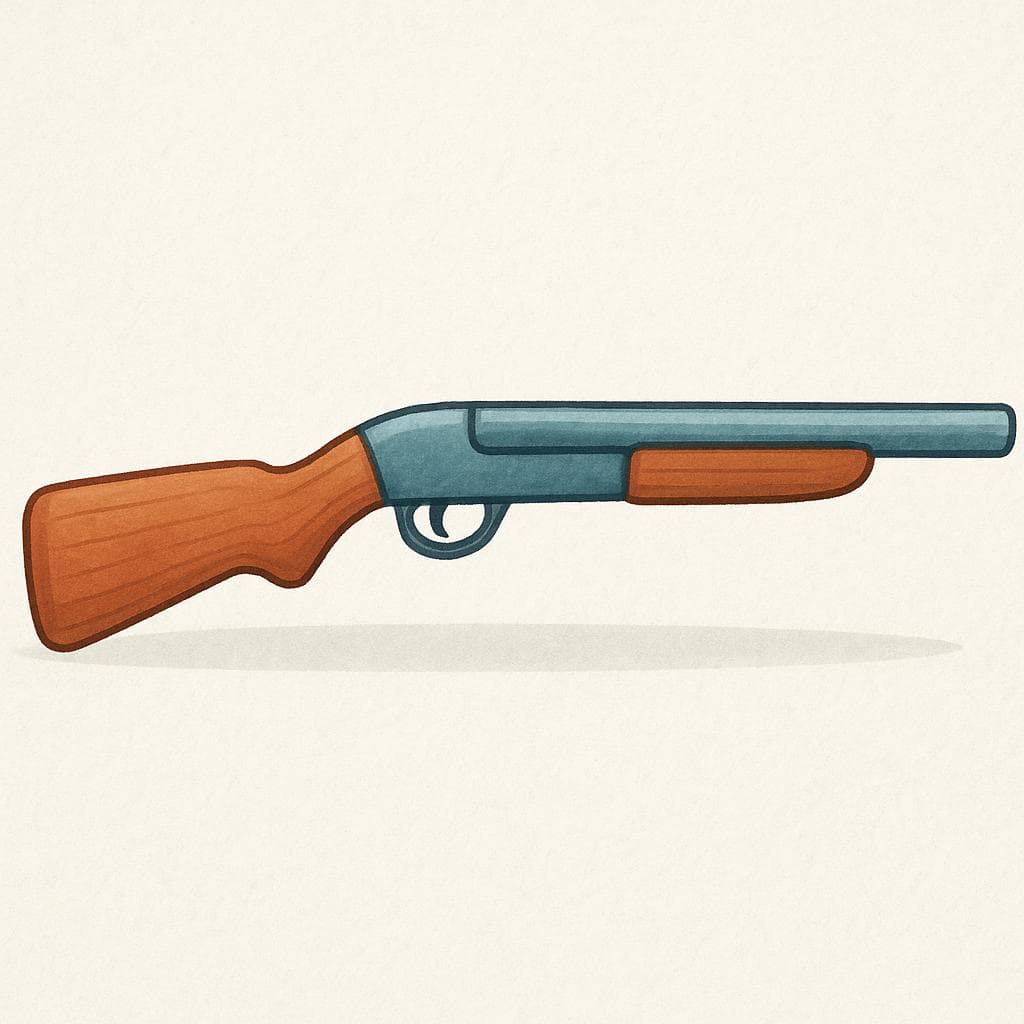
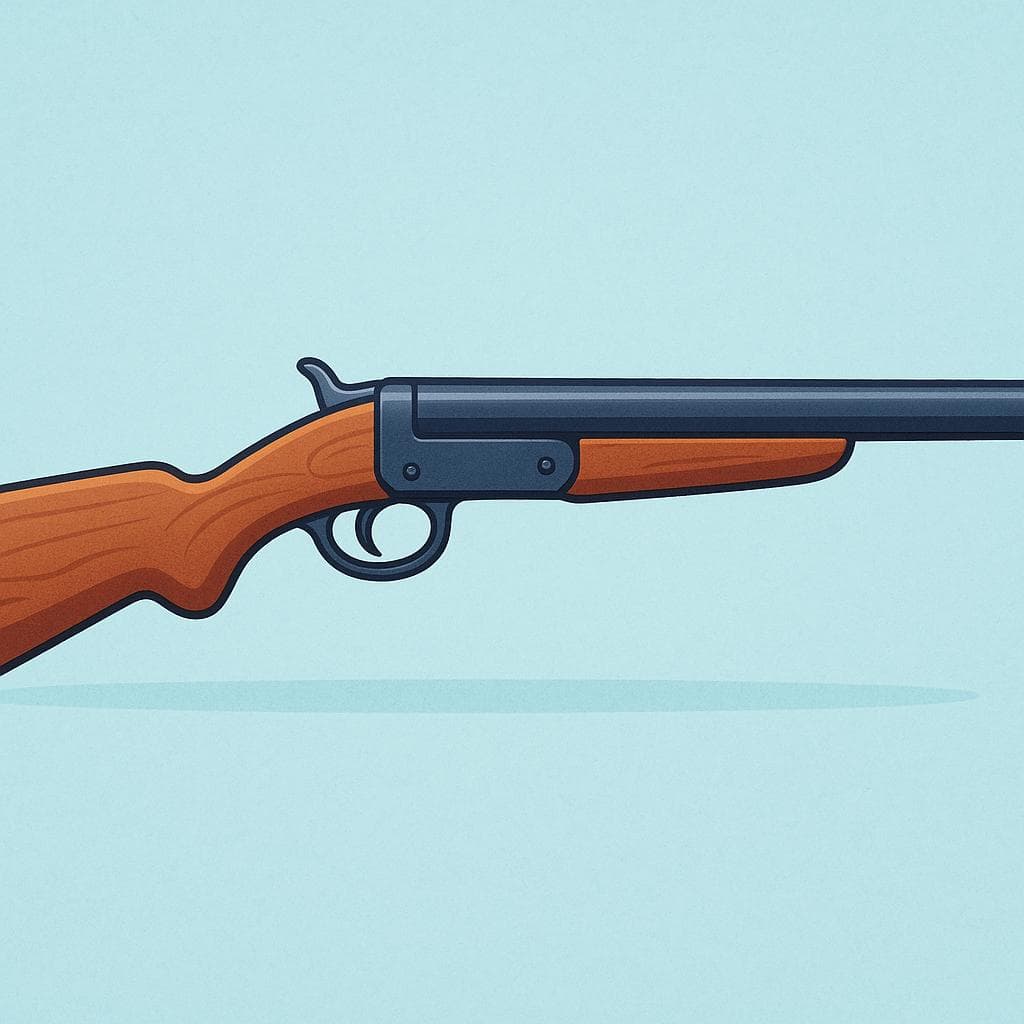
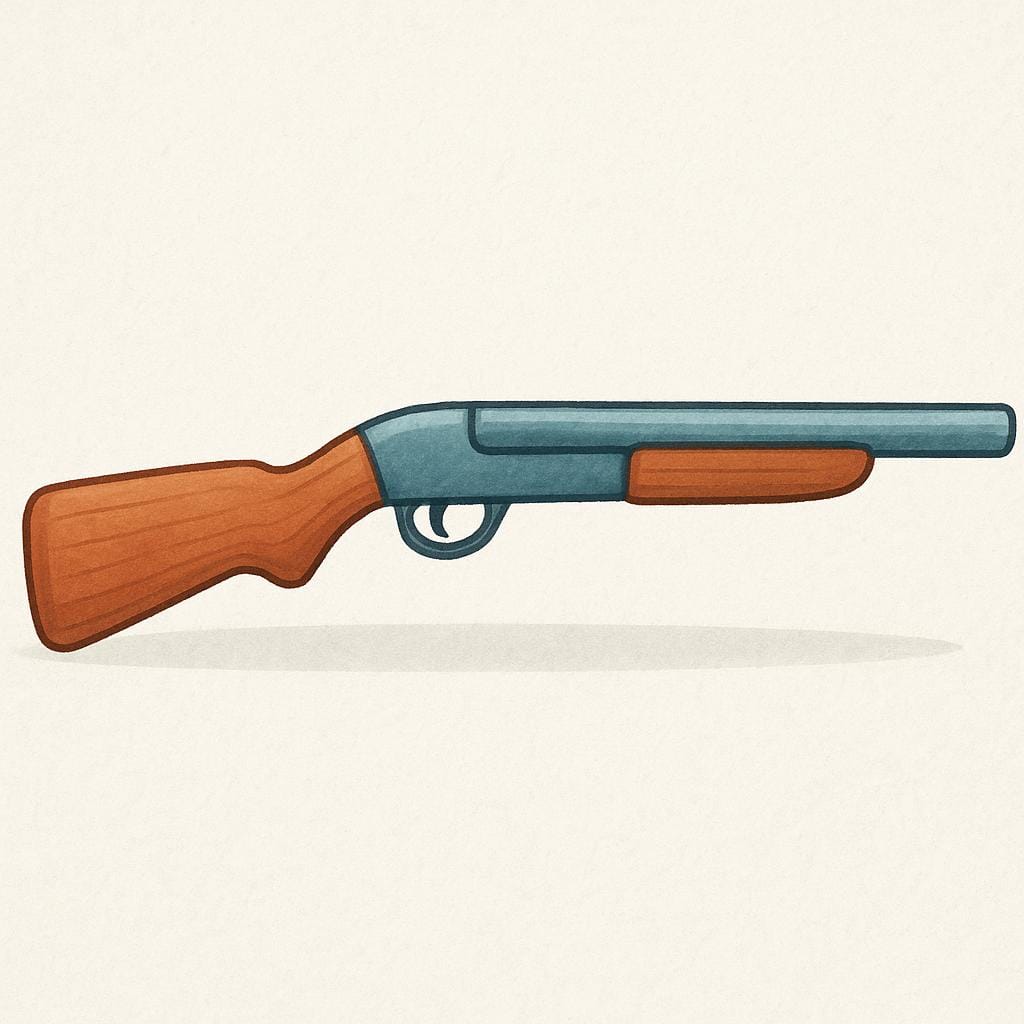
Correction: Use 'escopeta' for a shotgun. A 'fusil' has a rifled barrel for long distances; an 'escopeta' is usually for shorter range and hunting birds.
escopeta
es-koh-PEH-tahes.koˈpe.ta
Examples
El cazador limpió la escopeta antes de ir al bosque.
The hunter cleaned the shotgun before going to the forest.
La policía incautó una escopeta de repetición en el allanamiento.
The police seized a pump-action shotgun in the raid.
Gender Check
Remember that 'escopeta' is always feminine, so you must use 'la' or 'una' with it: 'la escopeta vieja'.
Confusing Gun Types
Mistake: “Using 'escopeta' for a small handgun.”
Correction: Use 'pistola' for a handgun. 'Escopeta' is specifically a long gun, usually fired from the shoulder.
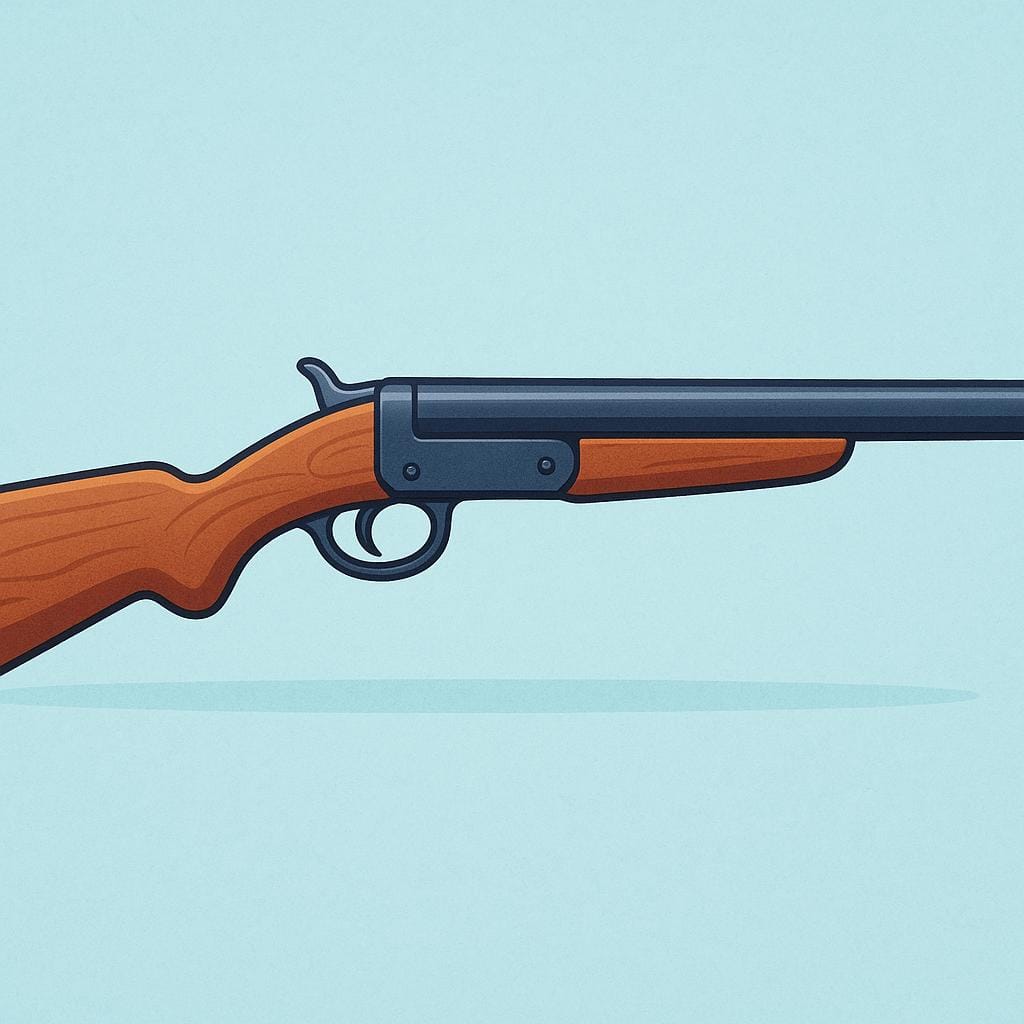
rifle
REE-flehˈri.fle
Examples
El guardia de seguridad llevaba un rifle de asalto.
The security guard was carrying an assault rifle.
El cazador tuvo que limpiar bien el cañón de su rifle.
The hunter had to thoroughly clean the barrel of his rifle.
En el museo vimos varios rifles antiguos de la Guerra Civil.
In the museum, we saw several antique rifles from the Civil War.
Masculine Gender Rule
Even though 'rifle' ends in 'e,' it is always a masculine noun. You must use 'el' (the) or 'un' (a) with it: 'el rifle' or 'un rifle'.
Using the Wrong Article
Mistake: “La rifle.”
Correction: El rifle. Remember that nouns related to tools or equipment are often masculine, even if they end in 'e'.
Fusil vs. Escopeta
Learn Spanish with Inklingo
Interactive stories, personalized learning, and more.