How to Say "degenerate" in Spanish
The most common Spanish word for “degenerate” is “degenerado” — use 'degenerado' when describing something that has lost its normal physical, mental, or moral qualities, often implying deterioration or corruption.
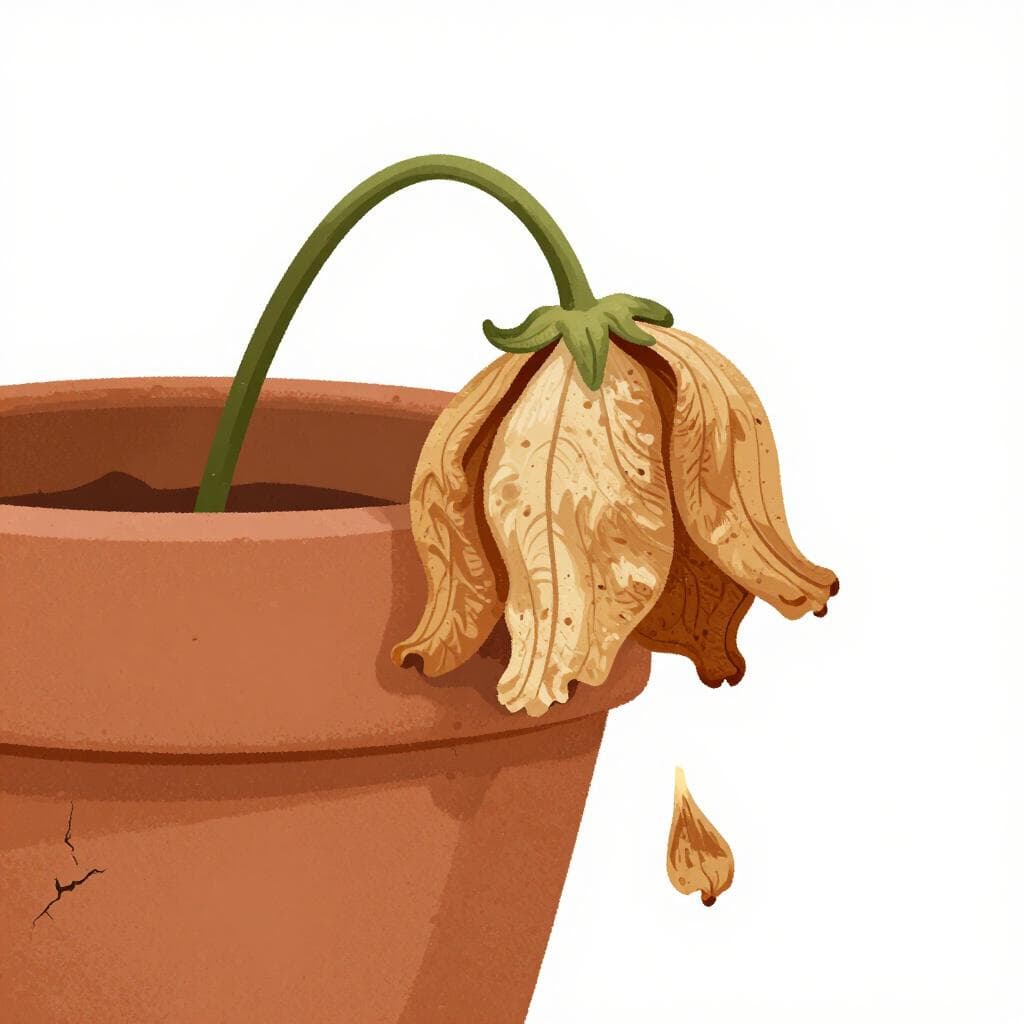
Use 'degenerado' when describing something that has lost its normal physical, mental, or moral qualities, often implying deterioration or corruption.
Learn more →
Employ 'vicioso' specifically when referring to someone addicted to a harmful habit or vice, like gambling or substance abuse, carrying a strong negative judgment.
Learn more →
Use 'bastardo' to describe something, like a style of writing or art, that has deviated from a pure or original form, often in a historical or technical context.
Learn more →deh-heh-neh-rah-dohde̝xeneˈɾaðo
Examples
El informe describió el estado degenerado del edificio abandonado.
The report described the deteriorated state of the abandoned building.
El médico analizó el tejido degenerado bajo el microscopio.
The doctor analyzed the deteriorated tissue under the microscope.
Estamos viviendo en un ambiente político degenerado.
We are living in a degenerate political environment.
Su conducta mostró un gusto degenerado por el caos.
His behavior showed a depraved taste for chaos.
Matching the Noun
Even though we are looking at the word 'degenerado', you must change the ending to 'degenerada' if you are describing a feminine object or person.
Using with 'estar'
When describing a physical state that has changed over time (like health or a building), we usually use the verb 'estar' before this word.
The 'Un' Factor
When using this as a noun to label someone, you almost always need the word 'un' (a) before it: 'Es un degenerado'.
Personal A
If you are doing something to a 'degenerado' (like seeing or calling one), remember to put 'a' before them: 'Vi a un degenerado'.
Confusing with 'broken'
Mistake: “La silla está degenerada.”
Correction: La silla está rota. (Use 'degenerado' for things that have lost their quality or essence, not just simple mechanical failure.)
Intensity of the insult
Mistake: “Calling a friend 'degenerado' for a small mistake.”
Correction: This is a very heavy insult. Unless you are joking with very close friends, it can be taken very offensively.
deh-heh-neh-rah-dohde̝xeneˈɾaðo
Examples
La sociedad condenó al hombre por sus actos degenerados.
Society condemned the man for his degenerate acts.
El médico analizó el tejido degenerado bajo el microscopio.
The doctor analyzed the deteriorated tissue under the microscope.
Estamos viviendo en un ambiente político degenerado.
We are living in a degenerate political environment.
Su conducta mostró un gusto degenerado por el caos.
His behavior showed a depraved taste for chaos.
Matching the Noun
Even though we are looking at the word 'degenerado', you must change the ending to 'degenerada' if you are describing a feminine object or person.
Using with 'estar'
When describing a physical state that has changed over time (like health or a building), we usually use the verb 'estar' before this word.
The 'Un' Factor
When using this as a noun to label someone, you almost always need the word 'un' (a) before it: 'Es un degenerado'.
Personal A
If you are doing something to a 'degenerado' (like seeing or calling one), remember to put 'a' before them: 'Vi a un degenerado'.
Confusing with 'broken'
Mistake: “La silla está degenerada.”
Correction: La silla está rota. (Use 'degenerado' for things that have lost their quality or essence, not just simple mechanical failure.)
Intensity of the insult
Mistake: “Calling a friend 'degenerado' for a small mistake.”
Correction: This is a very heavy insult. Unless you are joking with very close friends, it can be taken very offensively.
bee-see-OH-sobiˈθjoso

Examples
Se convirtió en un vicioso, perdiendo todo su dinero en las apuestas.
He became an addict, losing all his money on bets.
Ese hombre es un vicioso; se pasa todo el día en el casino.
That man is an addict; he spends all day at the casino.
No escuches a ese vicioso, solo quiere tu dinero para beber.
Don't listen to that degenerate; he just wants your money for drinking.
¡Qué vicioso eres con el dulce!
You're such a sugar addict!
Using 'Un' or 'Una'
To turn the adjective into a noun, just put 'un' (for a man) or 'una' (for a woman) before it.
Careful with Tone
Mistake: “Calling someone a 'vicioso' casually.”
Correction: Be careful! Unless you are joking with close friends about a hobby, calling someone a 'vicioso' can be a serious insult regarding their character.
bahs-TAHR-dohbasˈtardo

Examples
La caligrafía bastarda se caracteriza por su fluidez y ligaduras.
Bastard script is characterized by its fluidity and ligatures.
La letra bastarda era muy común en los manuscritos del siglo XVI.
The bastard script (slanted style) was very common in 16th-century manuscripts.
Es un idioma bastardo que mezcla raíces de tres lenguas diferentes.
It is a hybrid language that mixes roots from three different tongues.
Su estilo arquitectónico es bastardo, no sigue ninguna regla clara.
His architectural style is impure; it doesn't follow any clear rules.
Describing Objects
When used as an adjective for objects, it means 'not pure' rather than 'bad' or 'mean'.
Technical Confusion
Mistake: “Coche bastardo.”
Correction: Coche híbrido.
Degenerado vs. Vicioso
Learners often confuse 'degenerado' and 'vicioso' when describing a person. Remember, 'degenerado' implies moral corruption or deterioration, while 'vicioso' specifically points to addiction or a strong, negative habit.
Related Translations
Learn Spanish with Inklingo
Interactive stories, personalized learning, and more.