How to Say "hooked" in Spanish
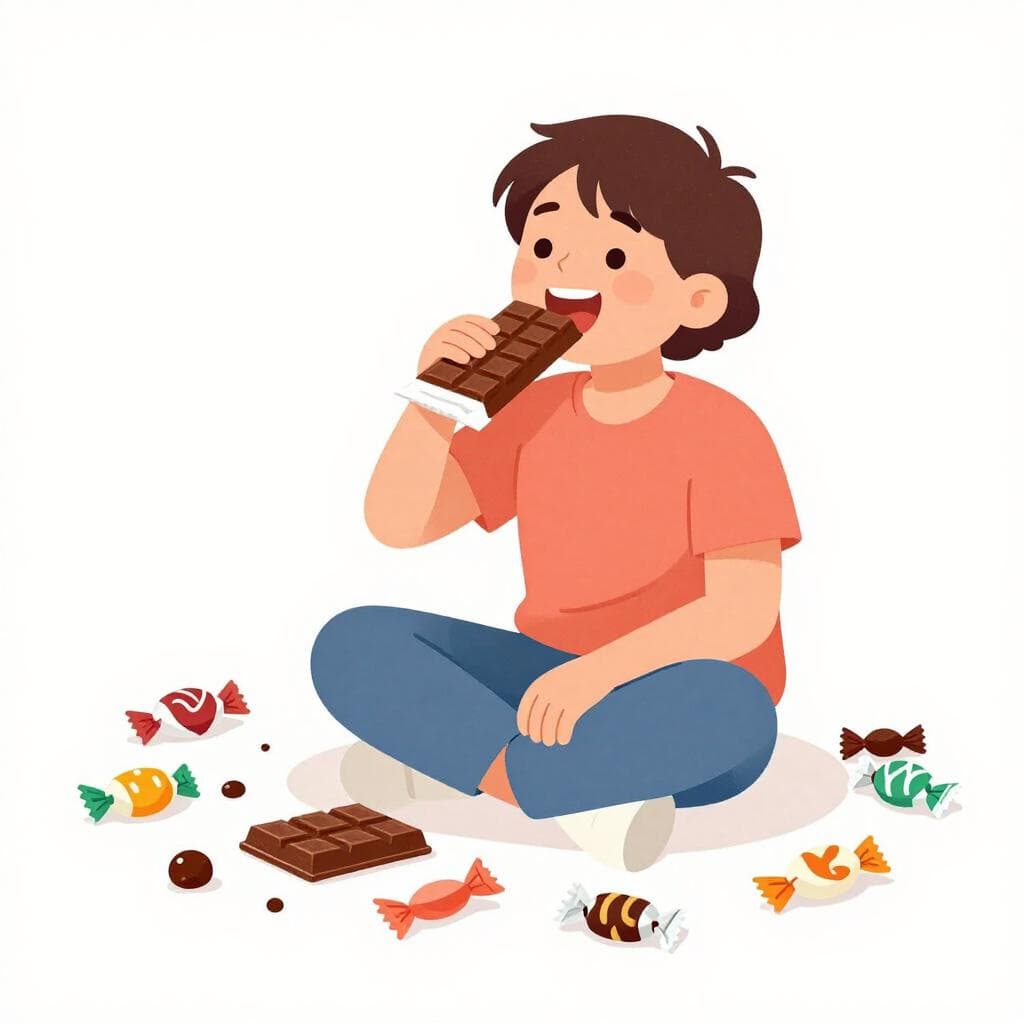
The most common Spanish word for “hooked” is “adicto” — use 'adicto' when someone is genuinely addicted to something, often in a negative or habitual sense, like a substance or a strong habit.






adicto
ah-DEEK-tohaˈðikto

Examples
Es adicto al café por las mañanas.
He is addicted to coffee in the mornings.
Mi hermana es adicta a las series de televisión coreanas.
My sister is hooked on Korean TV series.
Parece que somos adictos a la tecnología.
It seems we are addicted to technology.
The Essential 'a'
When 'adicto' describes what someone is hooked on, it must always be followed by the preposition 'a' (to). This is a set pattern, like 'aficionado a' or 'alérgico a'.
Forgetting the Gender Match
Mistake: “Using 'adicto' when talking about a woman, like 'Ella es adicto'.”
Correction: Remember to match the ending to the person you are describing: 'Ella es adicta' (feminine).
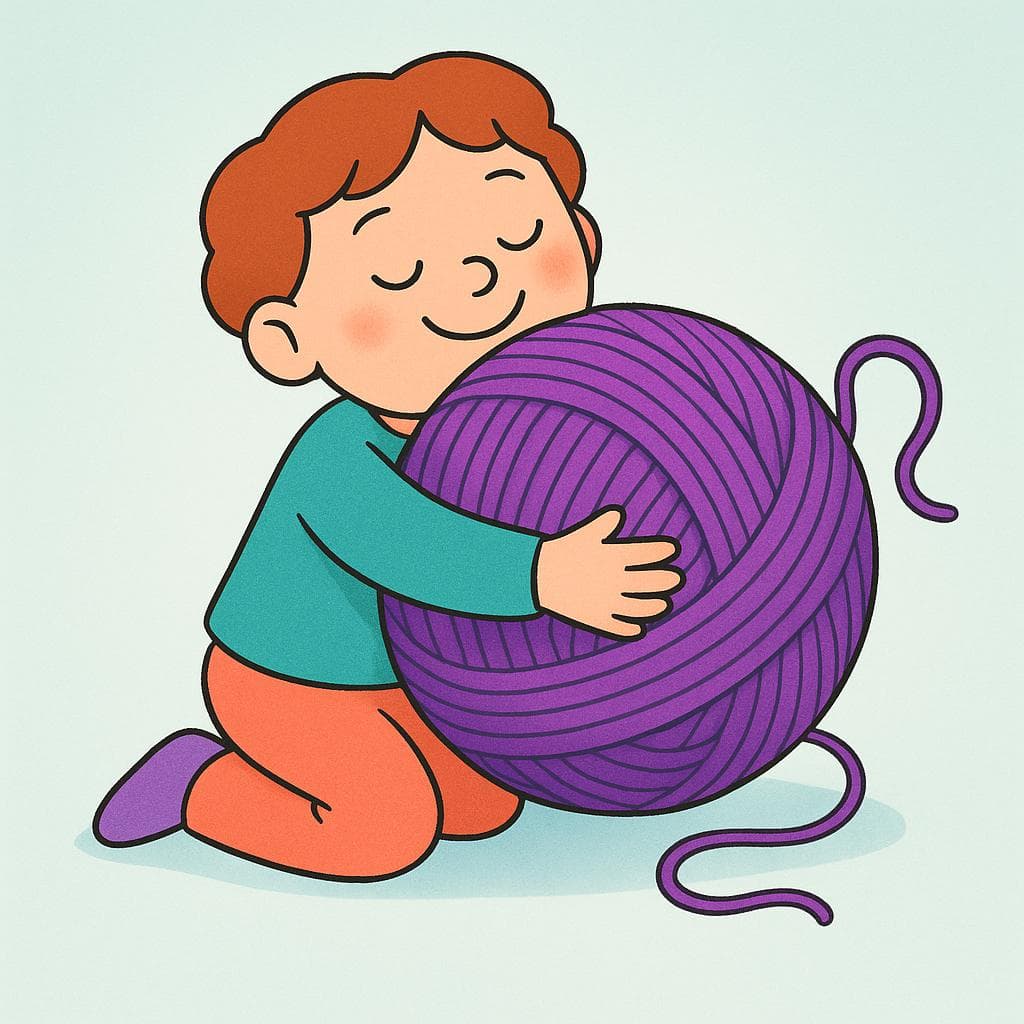
enganchado
en-gan-CHA-doeŋɡanˈtʃaðo

Examples
Estoy totalmente enganchado a esta nueva serie de Netflix.
I'm totally hooked on this new Netflix series.
Muchos jóvenes están enganchados a los videojuegos.
Many young people are addicted to video games.
Una vez que empiezas a correr, te quedas enganchado.
Once you start running, you get hooked.
Using the right 'to be'
Always use 'estar' (to be) with this word, because being 'hooked' is seen as a state or a feeling, not a permanent personality trait.
The 'A' Connection
When you are hooked on something, you must use the word 'a' right after 'enganchado' to point to the thing you like.
Don't use 'con'
Mistake: “Estoy enganchado con la música.”
Correction: Say 'Estoy enganchado a la música.' While some regions use 'con', 'a' is the standard way to connect the obsession to the object.
clavado
klah-BAH-dohklaˈβaðo

Examples
Juan está muy clavado con esa nueva serie de Netflix.
Juan is really hooked on that new Netflix series.
No me hables de él, estoy muy clavada.
Don't talk to me about him, I'm really infatuated.
Se quedó clavado con el problema de matemáticas hasta que lo resolvió.
He got obsessed with the math problem until he solved it.
Using 'con' vs 'de'
Use 'con' for things or hobbies (con el fútbol) and 'de' or 'con' for people you like.
Too formal
Mistake: “Estoy obsesionado con ella.”
Correction: In a casual chat with friends, 'Estoy clavado' sounds much more natural and less clinical.
atrapado
ah-trah-PAH-daha.tɾaˈpa.ða

Examples
Estoy completamente atrapada por la trama de esta novela.
I am completely hooked on the plot of this novel.
Se siente atrapada en un amor no correspondido.
She feels trapped in an unrequited love.
Emotional States
This meaning describes how a person feels about an external stimulus (a book, a movie, a person). It always describes a state, so use 'estar' (e.g., 'estar atrapada').
atrapó
ah-tra-POHa.tɾaˈpo

Examples
Ese libro me atrapó desde la primera página.
That book hooked me from the first page.
Su carisma atrapó a toda la audiencia.
His charisma captivated the whole audience.
Metaphorical Catching
Just like in English, words for 'catching' can describe your interest being grabbed by something interesting.
vicioso
bee-see-OH-sobiˈθjoso
Examples
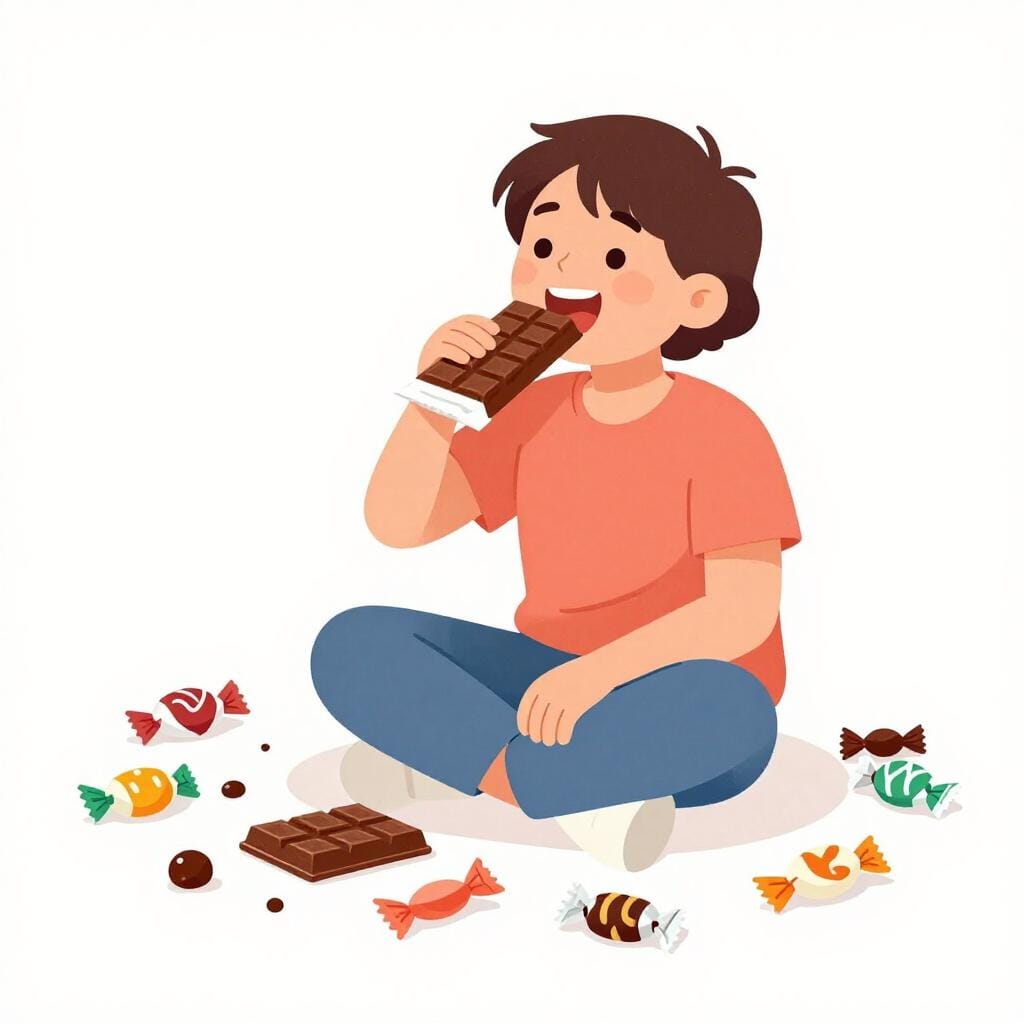
No es bueno ser vicioso con el juego; puedes perder mucho dinero.
It's not good to be addicted to gambling; you can lose a lot of money.
Mi hermano es un poco vicioso de los videojuegos.
My brother is a bit hooked on video games.
Lleva una vida viciosa y no cuida su salud.
He leads a lifestyle of vice and doesn't take care of his health.
Describing People vs. Things
When describing a person, it means they have a bad habit. When describing a situation (like a 'círculo'), it means it is a recurring problem that is hard to break.
Ending changes
Remember to change the ending to 'viciosa' if you are talking about a woman or a feminine object.
The 'Vicious Dog' Error
Mistake: “Using 'perro vicioso' to mean a 'vicious/aggressive dog'.”
Correction: Say 'perro agresivo' or 'perro bravo'. In Spanish, 'vicioso' means the dog has bad habits, not that it is violent.
colgado
kol-GAH-dohkolˈɡaðo
Examples
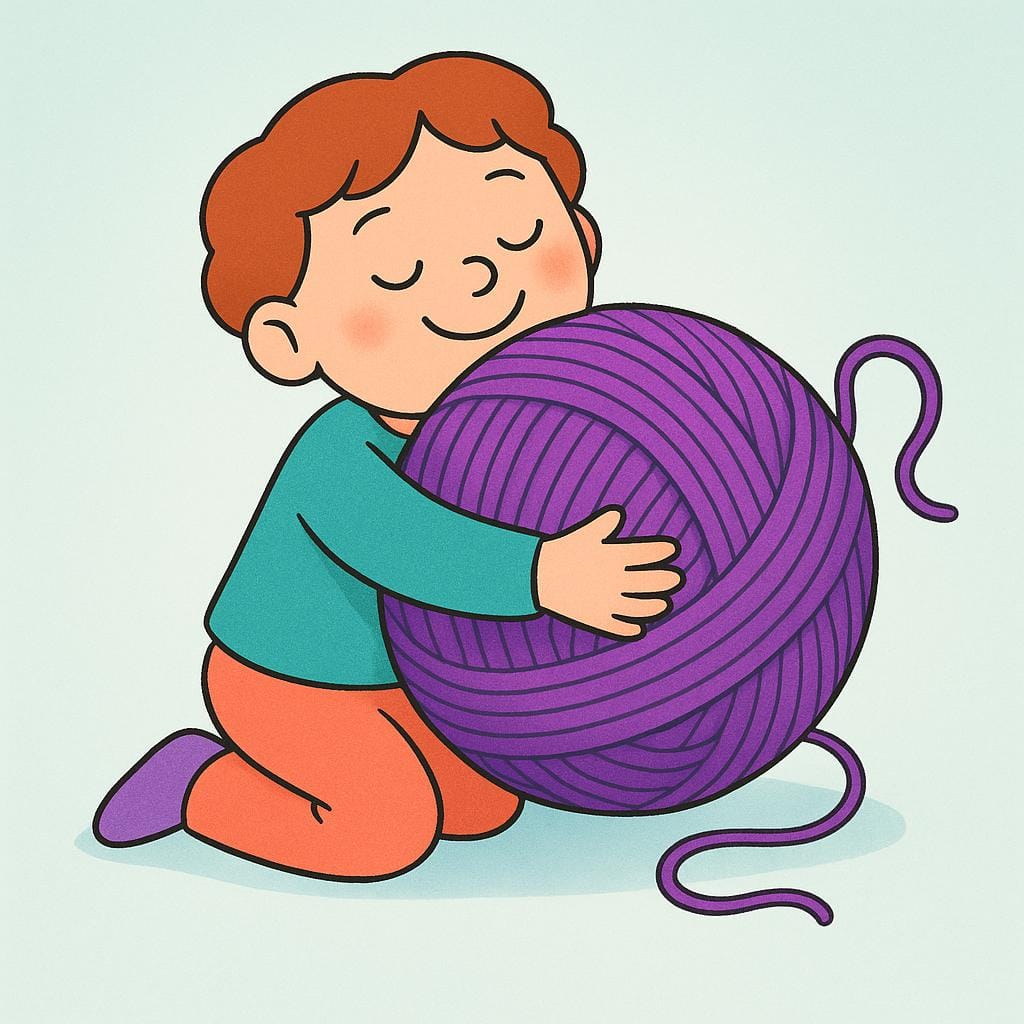
Mi hermana está colgada del gimnasio, va cinco veces a la semana.
My sister is hooked on the gym; she goes five times a week.
(Spain) Él siempre está colgado; nunca escucha lo que le dices.
(Spain) He is always spaced out; he never listens to what you tell him.
(Spain) Parece que Juan está colgado de María.
(Spain) It looks like Juan is crazy about María (in love with her).
Required Preposition
When 'colgado' means 'hooked' or 'in love,' it must be followed by the preposition 'de' (of/on) to introduce the object of the obsession.
Confusing Regional Meaning
Mistake: “Using 'estar colgado' to mean 'hooked' in a region where it only means 'distracted' or 'in love'.”
Correction: In many parts of Latin America, 'enganchado' is the safer, more neutral term for 'hooked' on a hobby or show.
pillado
pee-YAH-dohpiˈʎa.ðo

Examples
Creo que estoy pillado por mi nuevo vecino. No puedo dejar de mirarlo.
I think I'm crushing on my new neighbor. I can't stop looking at him.
Mi hermana está totalmente pillada por ese cantante famoso.
My sister is totally smitten with that famous singer.
The Preposition 'Por'
When talking about who you are crushing on, you must use the preposition 'por' (by/for): 'Estoy pillado por María' (I am crushing on Maria).
Overusing in Formal Settings
Mistake: “El director está pillado por la nueva política.”
Correction: Use 'fascinado' (fascinated) instead. This meaning of 'pillado' is too informal for professional contexts.
Addiction vs. Captivation
Related Translations
Learn Spanish with Inklingo
Interactive stories, personalized learning, and more.