How to Say "dessert" in Spanish
The most common Spanish word for “dessert” is “postre” — use 'postre' when referring to the sweet course served at the end of a meal.
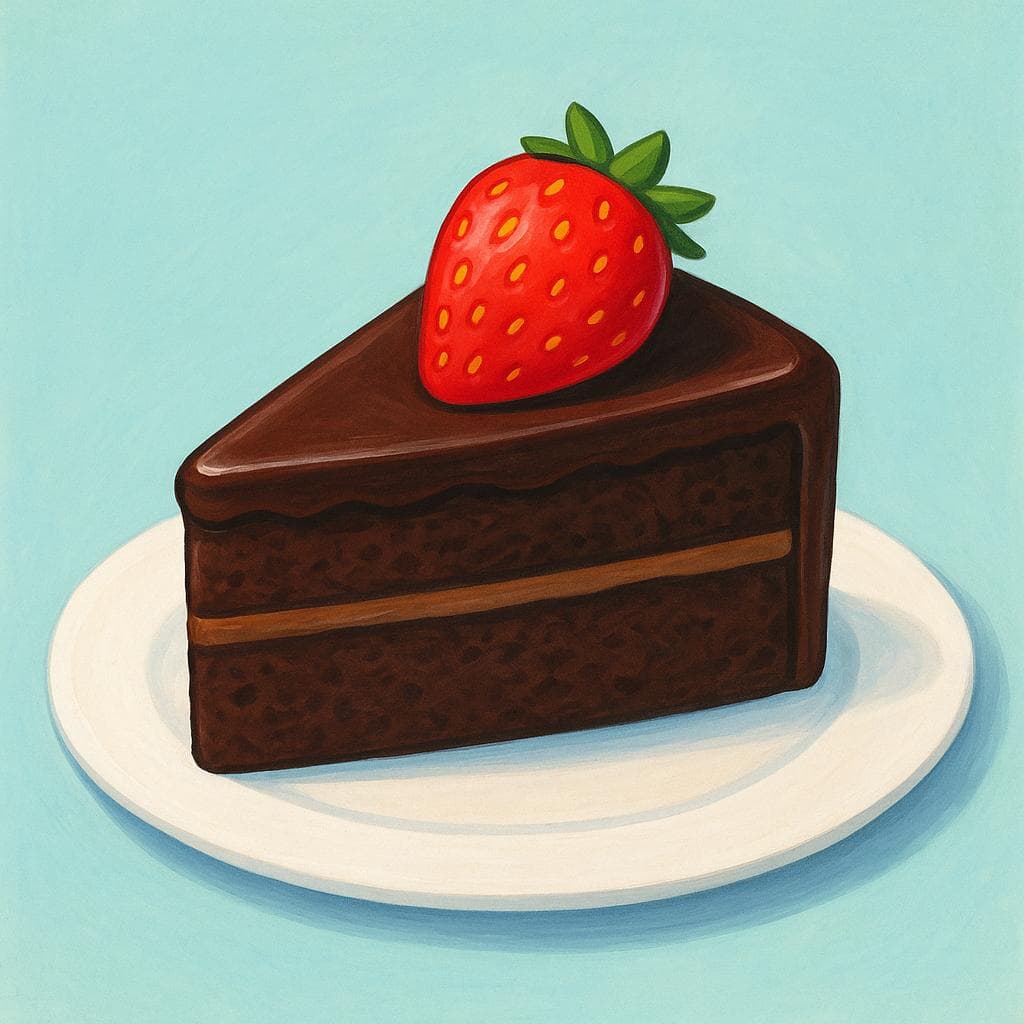

postre
POH-strayˈpos.tɾe
Examples
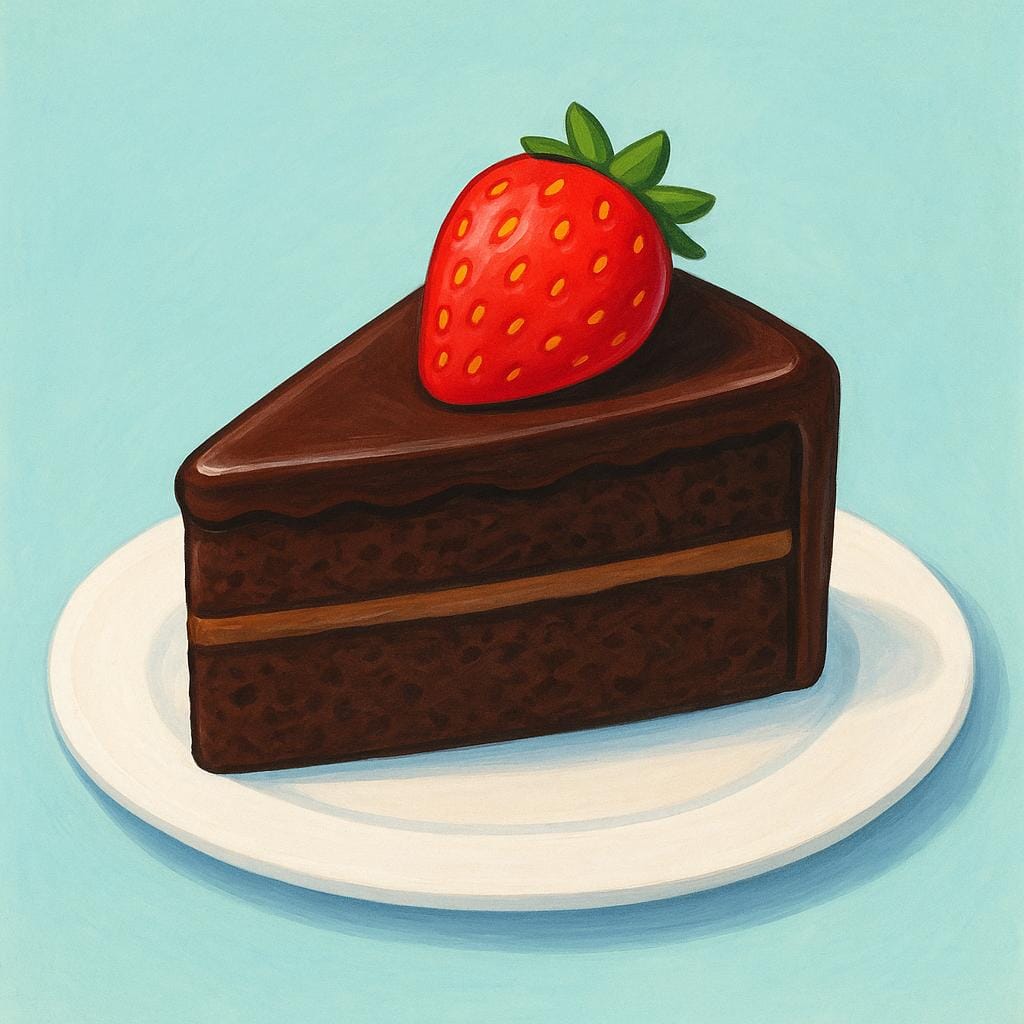
¿Qué quieres de postre? Tenemos tarta de chocolate.
What do you want for dessert? We have chocolate cake.
El postre favorito de mi abuela es el flan.
My grandmother's favorite dessert is flan.
Siempre pido un postre ligero después de una cena pesada.
I always order a light dessert after a heavy dinner.
Gender Rule Breaker
Even though many Spanish nouns that end in '-e' can be either masculine or feminine, 'postre' is always masculine: el postre.
Confusing Postre and Dulce
Mistake: “Using 'dulce' when referring specifically to the course after dinner (e.g., 'Quiero un dulce').”
Correction: While 'dulce' means 'sweet' and can sometimes mean 'dessert,' it's safer and clearer to use 'postre' when talking about the final dish of a meal. 'Dulce' is often used for candies or general sweet treats.
dulce
DOOL-sehˈdul.se

Examples
Mi hijo comió demasiados dulces en la fiesta.
My son ate too many sweets at the party.
¿Qué hay de dulce hoy?
What's for dessert today?
El dulce de leche es muy popular en Argentina.
Dulce de leche (a caramel-like spread) is very popular in Argentina.
Always Masculine
Even though it ends in '-e', when 'dulce' is used as a noun for candy, it's always masculine. So you say 'el dulce' (the candy) or 'los dulces' (the candies).
'Dulce' vs. 'Postre'
Mistake: “Saying 'Quiero un dulce' when you mean the dessert course on a menu.”
Correction: It's better to ask '¿Qué hay de postre?'. While 'dulce' can mean dessert, 'postre' is more specific for the final course of a meal. 'Un dulce' usually means a single piece of candy.
Confusing 'postre' and 'dulce'
Learn Spanish with Inklingo
Interactive stories, personalized learning, and more.