How to Say "soft" in Spanish
The most common Spanish word for “soft” is “blando” — use 'blando' for a physical texture that is yielding or not firm, like soft bread or a soft pillow.
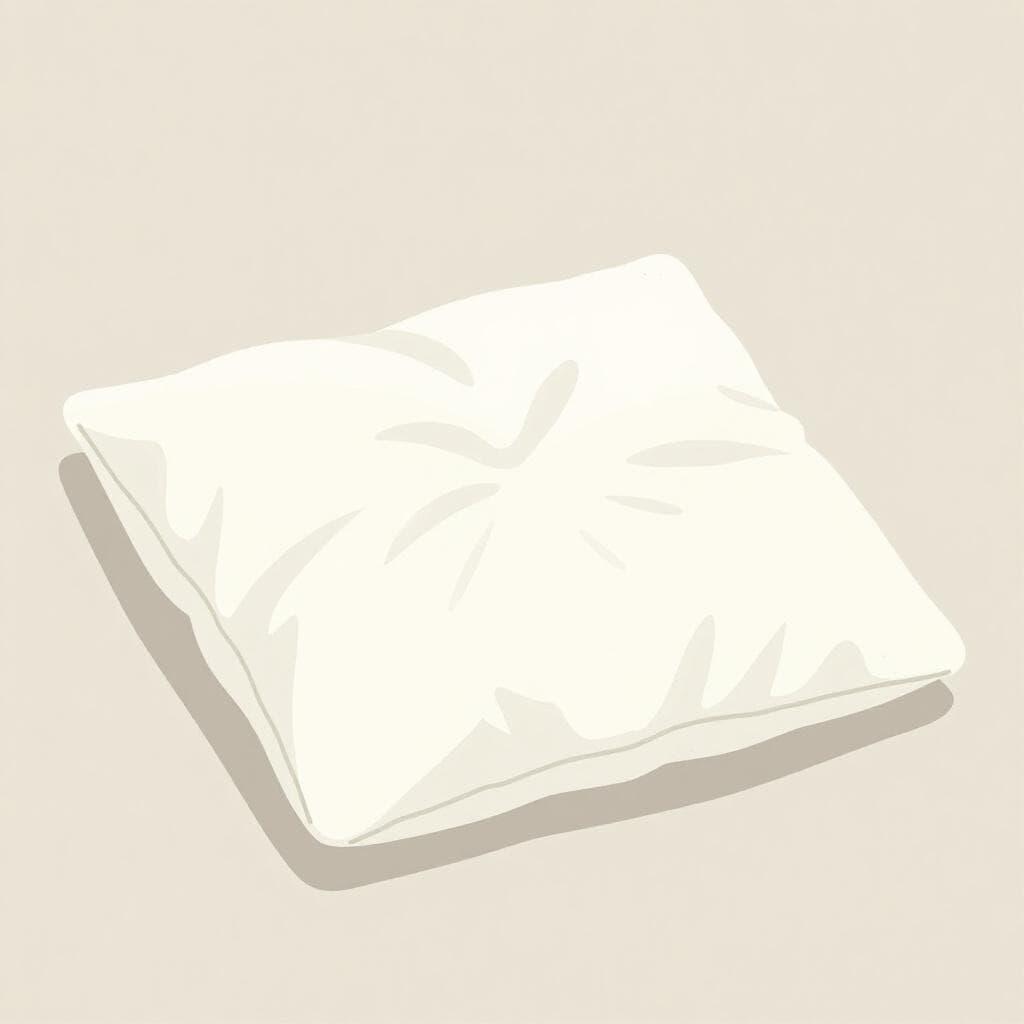

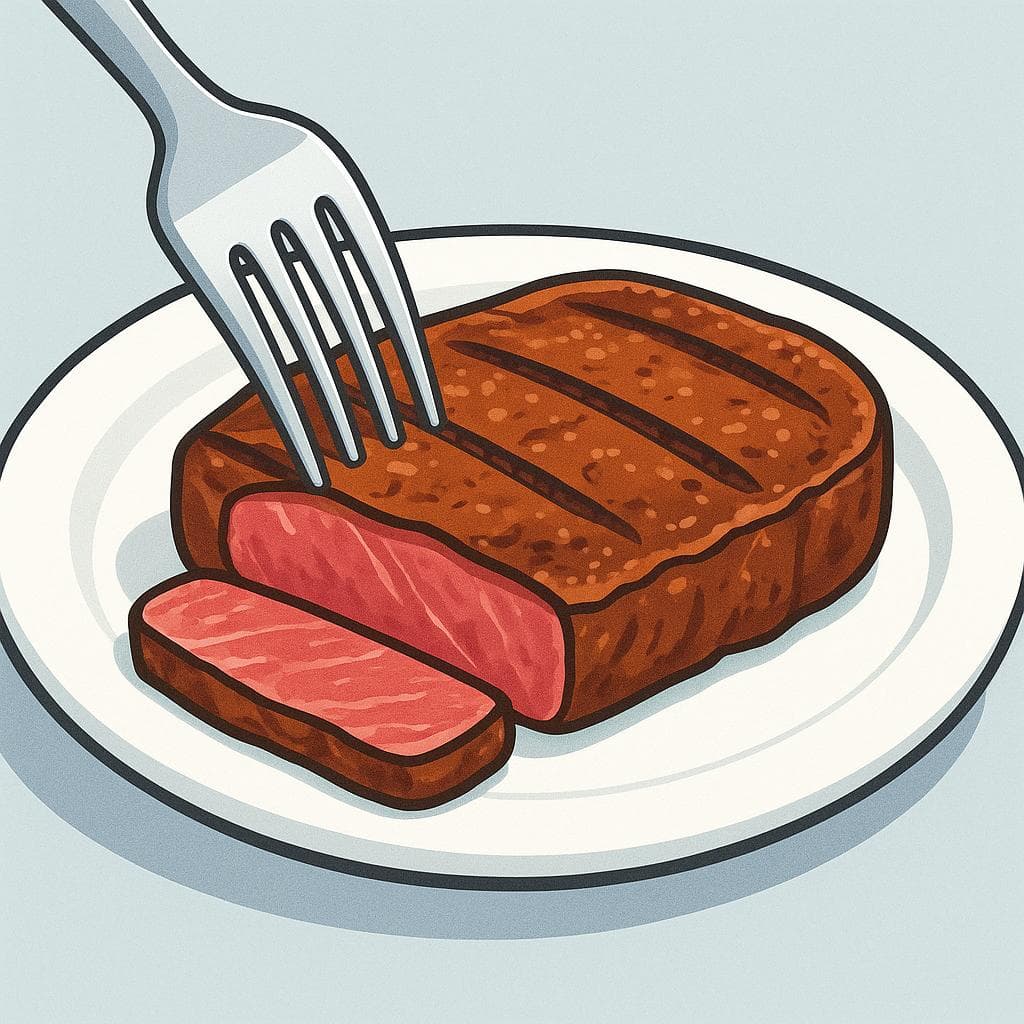
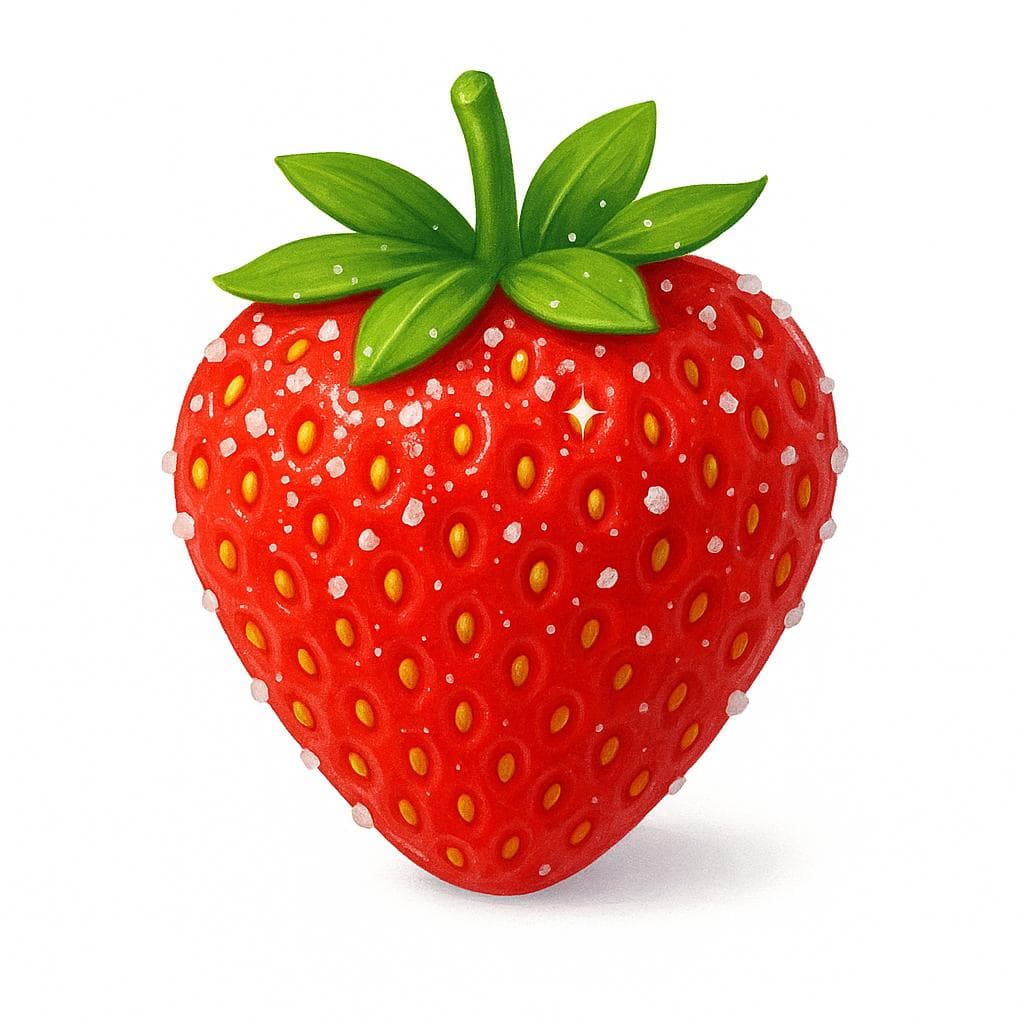
blando
blahn-dohˈblando

Examples
El sofá es muy blando.
The sofa is very soft.
El pan está muy blando.
The bread is very soft.
Prefiero dormir en un colchón blando.
I prefer sleeping on a soft mattress.
La fruta está blanda porque ya está muy madura.
The fruit is squishy because it is already very ripe.
Matching the Gender
Remember that the ending changes depending on what you are describing. Use 'blando' for masculine things (like el pan) and 'blanda' for feminine things (like la cama).
Blando vs. Suave
Spanish has two words for 'soft.' Use 'blando' for things that squish or change shape when you press them. Use 'suave' for things that feel smooth to the touch, like silk or skin.
Using with People
When used with the verb 'ser', you are describing a permanent personality trait (a softie). When used with 'estar', you are describing how someone is acting in a specific situation.
Confusing 'Soft' for 'Smooth'
Mistake: “El gato es muy blando.”
Correction: El gato es muy suave. Because 'blando' means 'squishy like dough' rather than 'soft to pet.'
Don't use for 'Quiet'
Mistake: “Habla más blando.”
Correction: Habla más bajo. 'Blando' only refers to character or texture, not sound volume.
suave
SWAH-vehˈswa.βe

Examples
Me gusta la textura suave de esta camisa.
I like the soft texture of this shirt.
La piel del bebé es increíblemente suave.
The baby's skin is incredibly soft.
Me encanta esta manta, es tan suave.
I love this blanket; it is so soft.
El carpintero pulió la madera hasta dejarla suave.
The carpenter polished the wood until it was smooth.
Adjective Agreement
Since 'suave' ends in 'e,' it is the same for masculine and feminine nouns (el tejido suave, la tela suave). Just add an 's' for plural: 'suaves'.
Confusing 'Suave' and 'Blando'
Mistake: “Usar 'blando' para describir la piel o el pelo.”
Correction: Use 'suave' for things that are pleasant to the touch, like skin, hair, or fabric. 'Blando' usually means something is squishy or easily compressed (like soft fruit).
tierno
tee-EHR-nohˈtjeɾno
Examples
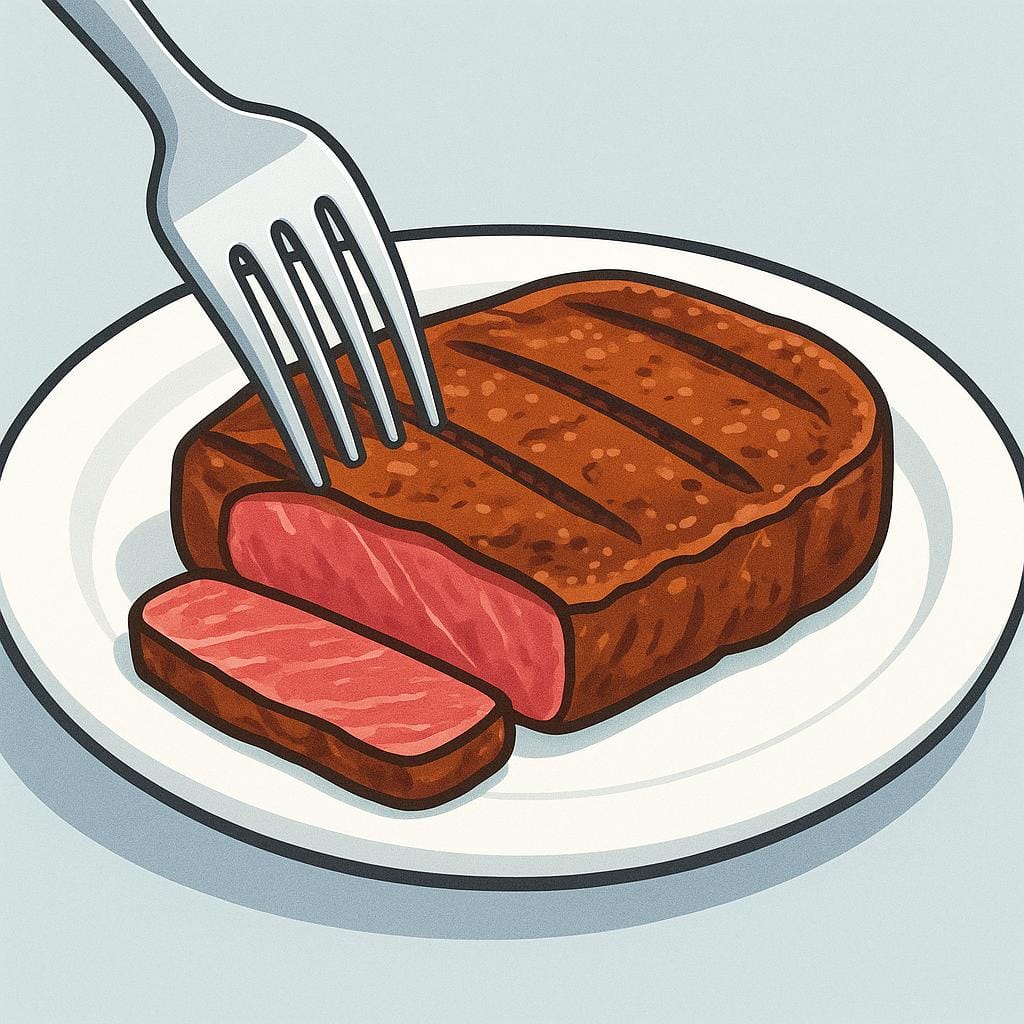
La carne estaba tan tierna que se deshacía.
The meat was so tender it fell apart.
El chef cocinó el bistec hasta que quedó muy tierno.
The chef cooked the steak until it was very tender.
Estas hojas de lechuga son muy tiernas; cómelas pronto.
These lettuce leaves are very soft/delicate; eat them soon.
Agreement is Key
Since 'tierno' is an adjective, you must change the ending to match the noun it describes: 'el pollo tierno' (masculine singular), 'la fruta tierna' (feminine singular), 'los tallos tiernos' (masculine plural).
dulce
DOOL-sehˈdul.se
Examples
Su voz era dulce y reconfortante.
Her voice was soft and comforting.
El café está demasiado dulce para mí.
The coffee is too sweet for me.
Mi abuela es una mujer muy dulce y amable.
My grandmother is a very sweet and kind woman.
Los peces de agua dulce viven en ríos y lagos.
Freshwater fish live in rivers and lakes.
Adjectives That Don't Change
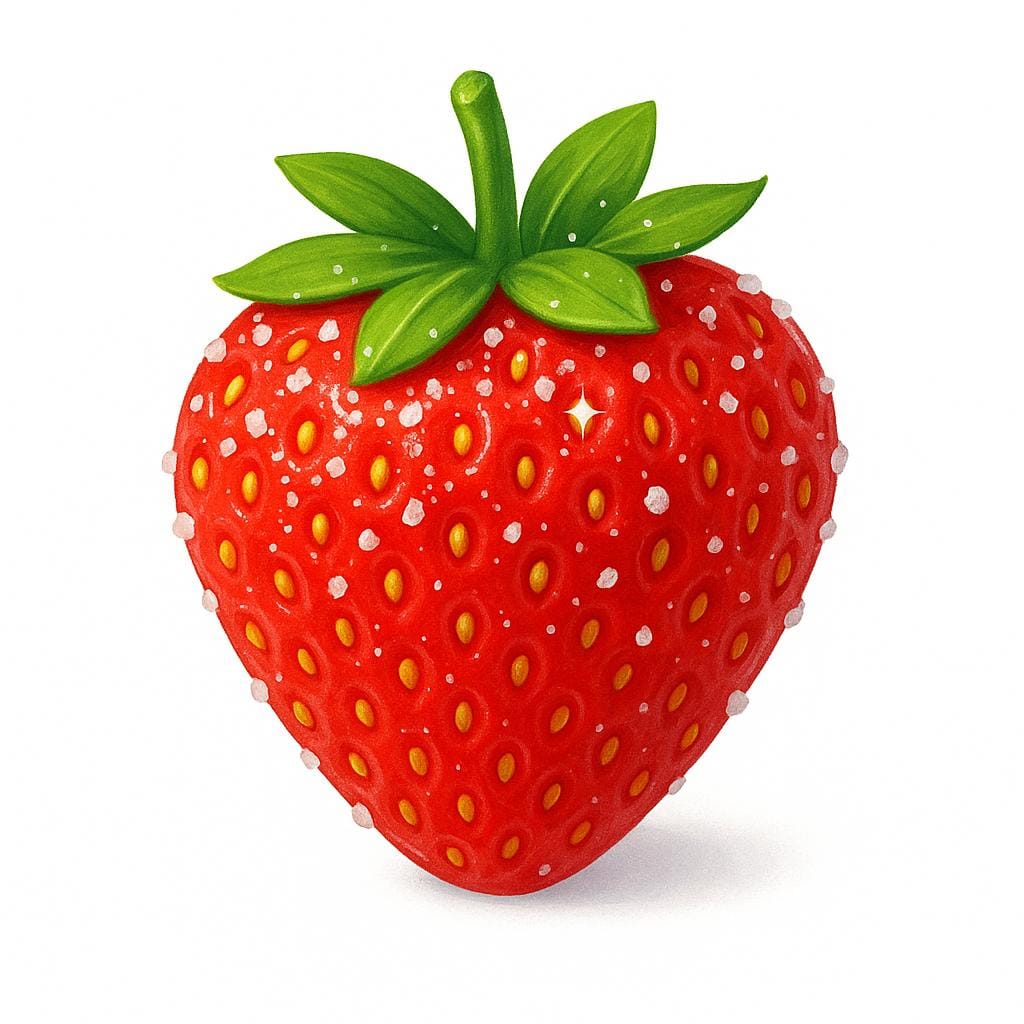
Adjectives that end in '-e', like 'dulce', are super easy! They don't change for masculine or feminine things. It's 'el pastel dulce' (masculine) and 'la fresa dulce' (feminine).
Don't Add an '-a' for Feminine
Mistake: “La manzana es dulca.”
Correction: La manzana es dulce. Because 'dulce' ends in '-e', it stays the same for both masculine and feminine things.
blando
blahn-dohˈblando
Examples
No seas tan blando con él, tiene que aprender.
Don't be so soft on him, he needs to learn.
El pan está muy blando.
The bread is very soft.
Prefiero dormir en un colchón blando.
I prefer sleeping on a soft mattress.
La fruta está blanda porque ya está muy madura.
The fruit is squishy because it is already very ripe.
Matching the Gender
Remember that the ending changes depending on what you are describing. Use 'blando' for masculine things (like el pan) and 'blanda' for feminine things (like la cama).
Blando vs. Suave
Spanish has two words for 'soft.' Use 'blando' for things that squish or change shape when you press them. Use 'suave' for things that feel smooth to the touch, like silk or skin.
Using with People
When used with the verb 'ser', you are describing a permanent personality trait (a softie). When used with 'estar', you are describing how someone is acting in a specific situation.
Confusing 'Soft' for 'Smooth'
Mistake: “El gato es muy blando.”
Correction: El gato es muy suave. Because 'blando' means 'squishy like dough' rather than 'soft to pet.'
Don't use for 'Quiet'
Mistake: “Habla más blando.”
Correction: Habla más bajo. 'Blando' only refers to character or texture, not sound volume.
Blando vs. Suave for Texture
Learn Spanish with Inklingo
Interactive stories, personalized learning, and more.