How to Say "gentle" in Spanish
The most common Spanish word for “gentle” is “suave” — use 'suave' to describe a gentle touch, a soft texture, a mild flavor, a light wind, or a calm personality.


suave
SWAH-vehˈswa.βe

Examples
La caricia de la brisa era muy suave.
The caress of the breeze was very gentle.
La piel del bebé es increíblemente suave.
The baby's skin is incredibly soft.
Me encanta esta manta, es tan suave.
I love this blanket; it is so soft.
El carpintero pulió la madera hasta dejarla suave.
The carpenter polished the wood until it was smooth.
Adjective Agreement
Since 'suave' ends in 'e,' it is the same for masculine and feminine nouns (el tejido suave, la tela suave). Just add an 's' for plural: 'suaves'.
Use with Tastes
When talking about food or drink, 'suave' means 'mild' or 'not spicy/acidic/bitter.' For example, a 'vino suave' is a light, easy-drinking wine.
Confusing 'Suave' and 'Blando'
Mistake: “Usar 'blando' para describir la piel o el pelo.”
Correction: Use 'suave' for things that are pleasant to the touch, like skin, hair, or fabric. 'Blando' usually means something is squishy or easily compressed (like soft fruit).
gentil
hen-TEELxenˈtil

Examples
El anfitrión fue muy gentil al ofrecerme asiento.
The host was very gentle in offering me a seat.
Mi vecina es muy gentil y siempre me ayuda con las compras.
My neighbor is very kind and always helps me with the groceries.
Fue un gesto muy gentil de su parte ofrecernos un café.
It was a very nice gesture on his part to offer us coffee.
Necesitas ser más gentil al hablar con niños pequeños.
You need to be gentler when speaking with small children.
Masculine and Feminine
Since 'gentil' ends in -L, it is one of the adjectives that does not change form for masculine or feminine. It only changes in the plural: 'gentiles'.
Using 'gentil' for 'gentle' actions
Mistake: “La tela es gentil (The fabric is gentle).”
Correction: La tela es suave (The fabric is soft). 'Gentil' usually describes character or behavior, not physical qualities like softness.
tierno
tee-EHR-nohˈtjeɾno
Examples
El padre levantó al bebé con un movimiento tierno.
The father lifted the baby with a gentle movement.
Mi abuela es muy tierna y siempre tiene un abrazo para mí.
My grandmother is very sweet/affectionate and always has a hug for me.
Escribió una carta tierna a su esposa en su aniversario.
He wrote a tender letter to his wife on their anniversary.
La película era muy tierna, casi me hizo llorar.
The movie was very sweet/moving; it almost made me cry.
Use with 'Ser'
When describing a person's permanent characteristic (their nature), use 'ser': 'Ella es tierna' (She is a sweet person). If you use 'estar', it means they are currently being sweet or acting sensitive, though this is less common.
Confusing 'Tierno' and 'Dulce'
Mistake: “Using 'dulce' to mean physically tender (e.g., 'carne dulce').”
Correction: Use 'tierno' for texture (tender meat) and 'dulce' mainly for taste (sweet flavor) or a person's temperament. 'Tierno' covers both physical softness and emotional sweetness.
dulce
DOOL-sehˈdul.se
Examples
Su voz era dulce y reconfortante.
Her voice was gentle and comforting.
El café está demasiado dulce para mí.
The coffee is too sweet for me.
Mi abuela es una mujer muy dulce y amable.
My grandmother is a very sweet and kind woman.
Los peces de agua dulce viven en ríos y lagos.
Freshwater fish live in rivers and lakes.
Adjectives That Don't Change
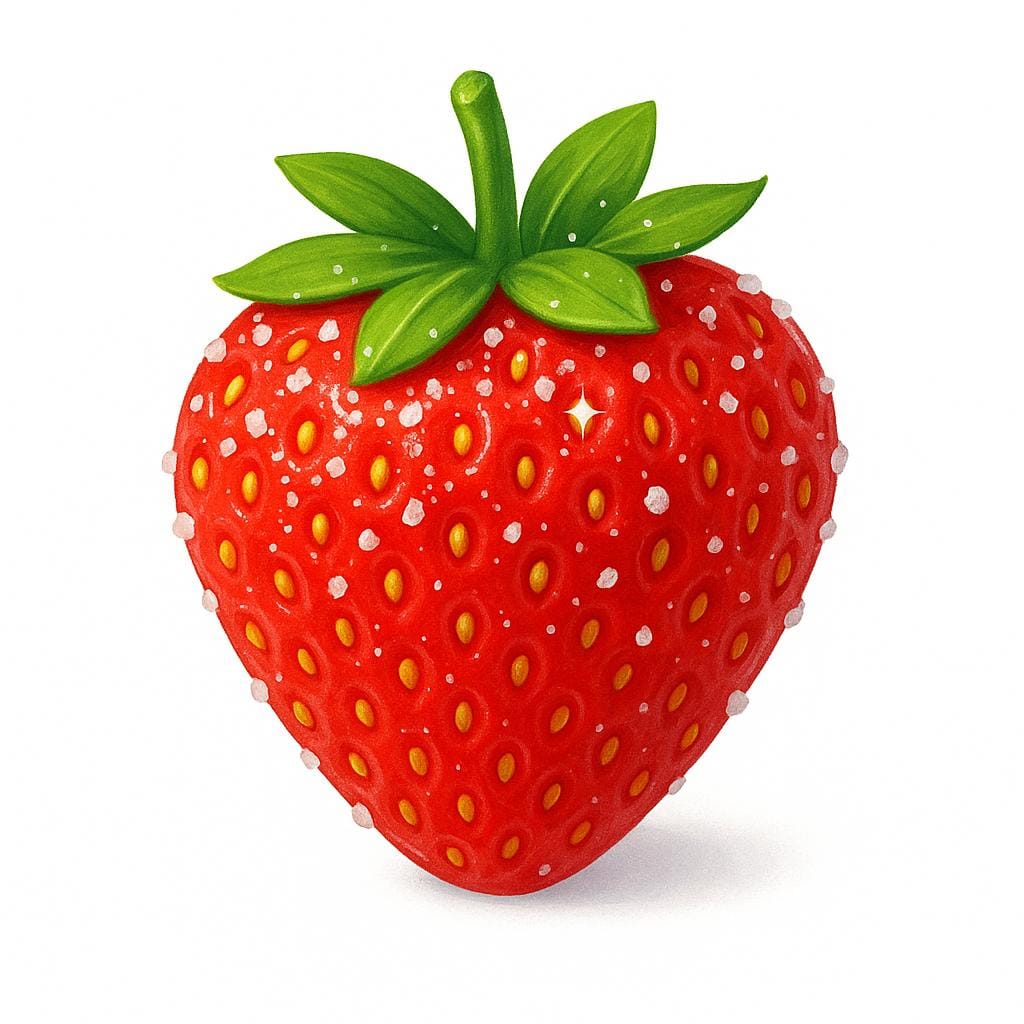
Adjectives that end in '-e', like 'dulce', are super easy! They don't change for masculine or feminine things. It's 'el pastel dulce' (masculine) and 'la fresa dulce' (feminine).
Don't Add an '-a' for Feminine
Mistake: “La manzana es dulca.”
Correction: La manzana es dulce. Because 'dulce' ends in '-e', it stays the same for both masculine and feminine things.
Suave vs. Gentil
Learn Spanish with Inklingo
Interactive stories, personalized learning, and more.