How to Say "sweet" in Spanish
The most common Spanish word for “sweet” is “dulce” — use this when describing a taste that is sugary or not sour/bitter, or as a general term for a sweet treat.
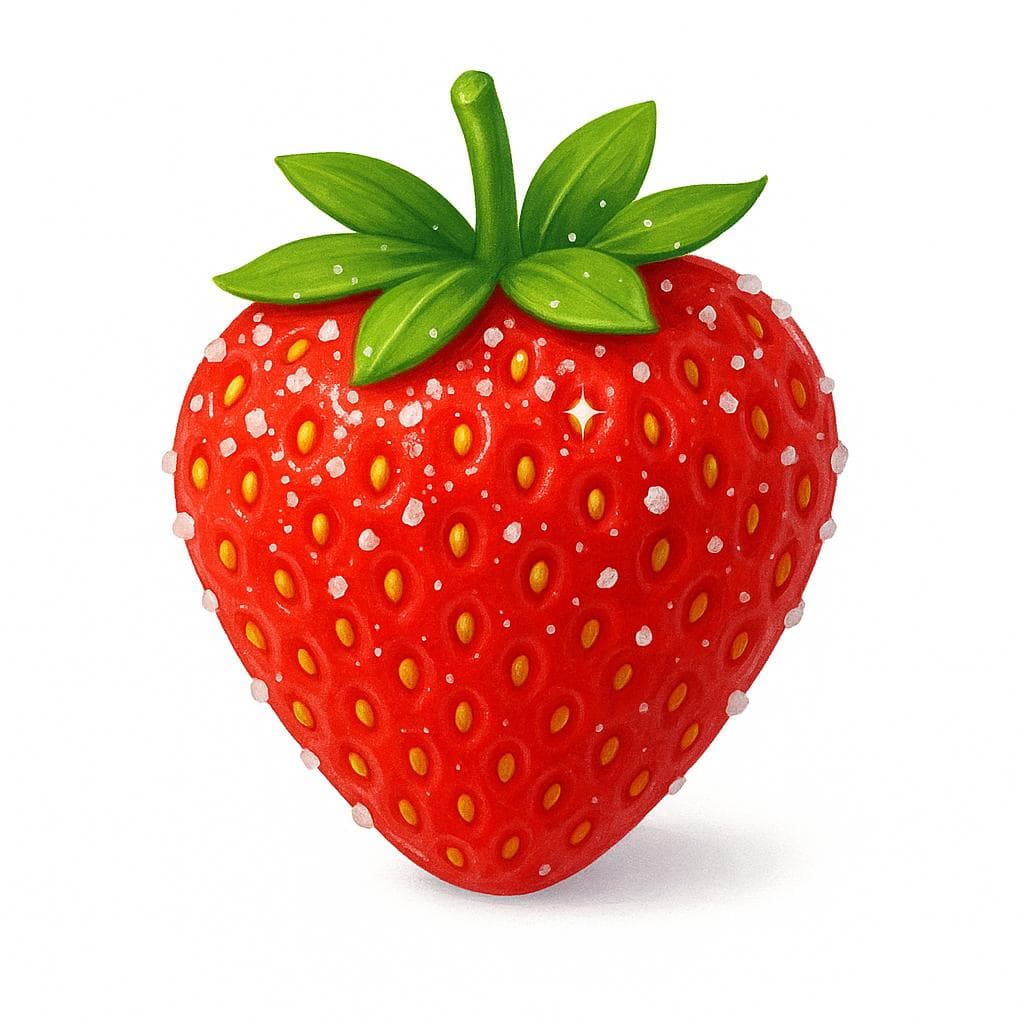


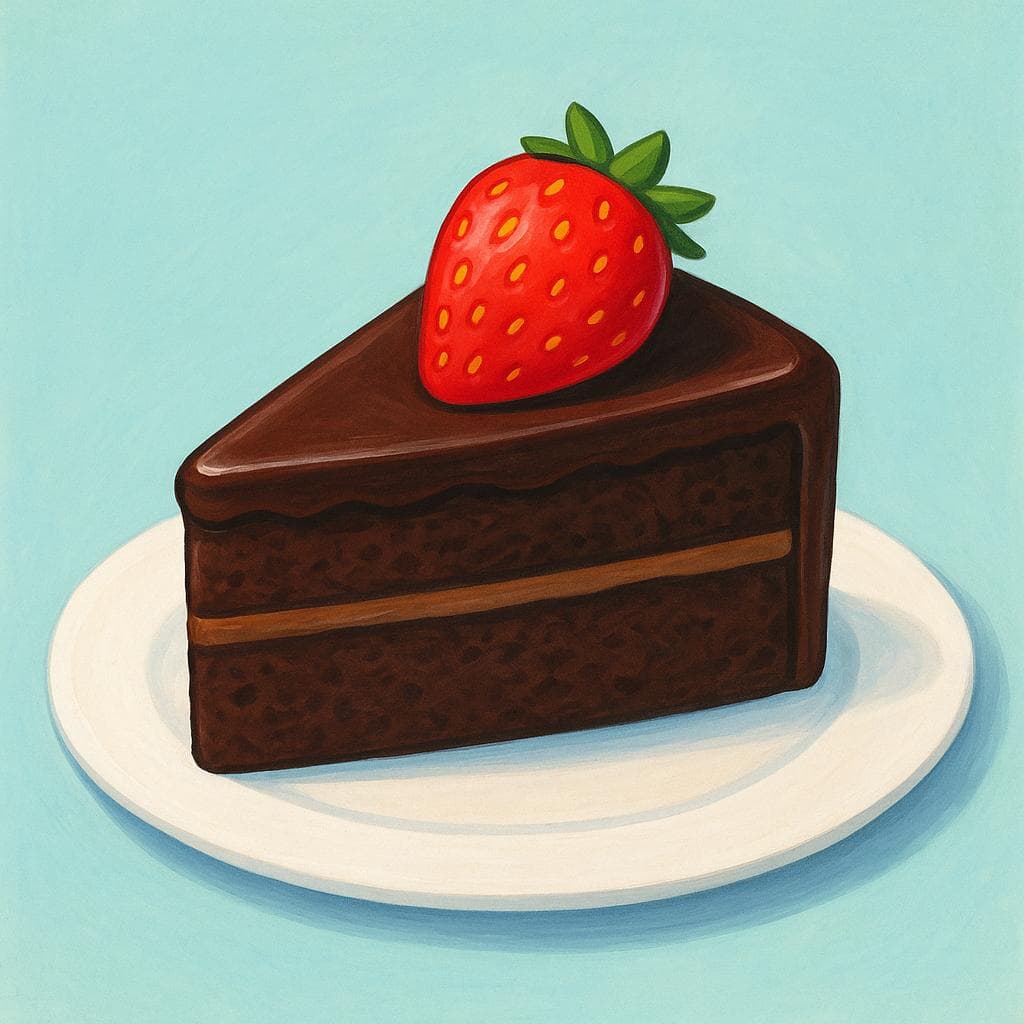




dulce
DOOL-sehˈdul.se
Examples
El pastel de cumpleaños estaba deliciosamente dulce.
The birthday cake was deliciously sweet.
El café está demasiado dulce para mí.
The coffee is too sweet for me.
Mi abuela es una mujer muy dulce y amable.
My grandmother is a very sweet and kind woman.
Los peces de agua dulce viven en ríos y lagos.
Freshwater fish live in rivers and lakes.
Adjectives That Don't Change
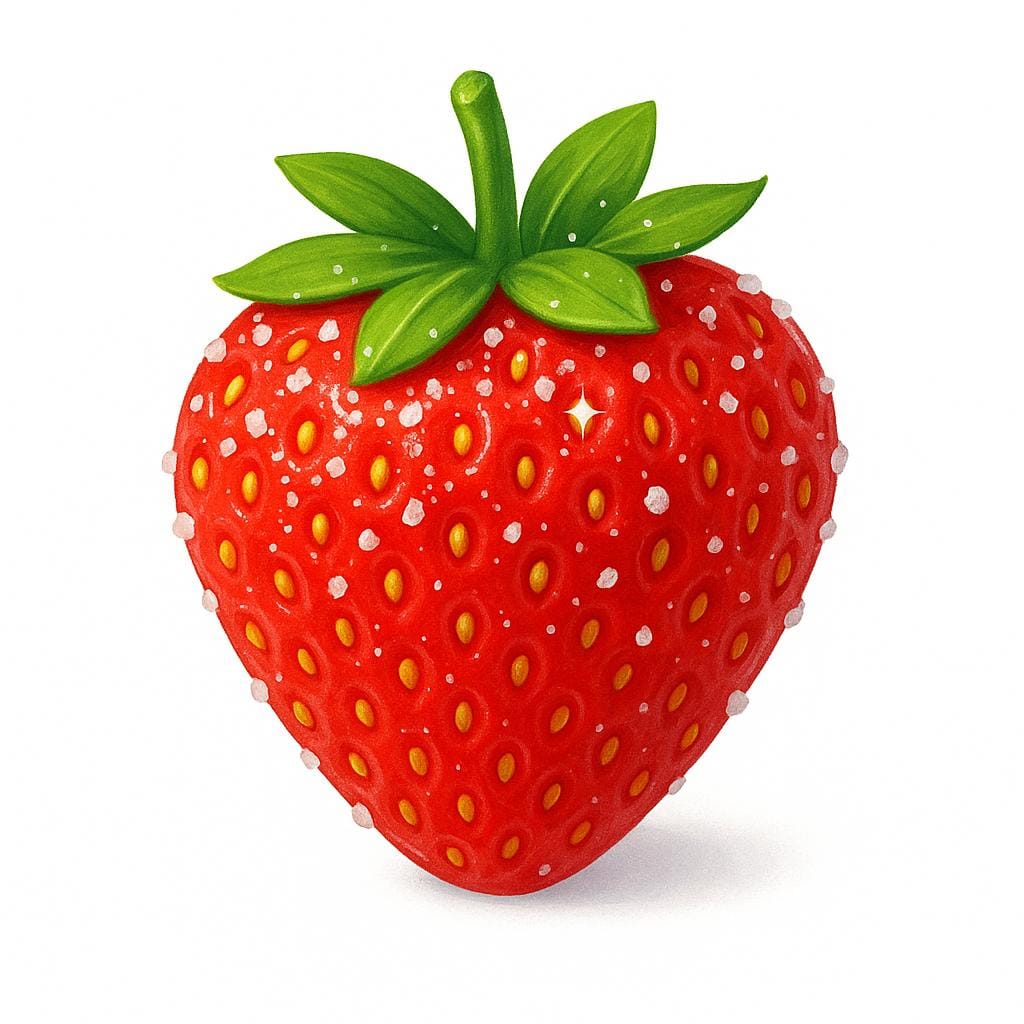
Adjectives that end in '-e', like 'dulce', are super easy! They don't change for masculine or feminine things. It's 'el pastel dulce' (masculine) and 'la fresa dulce' (feminine).
Always Masculine
Even though it ends in '-e', when 'dulce' is used as a noun for candy, it's always masculine. So you say 'el dulce' (the candy) or 'los dulces' (the candies).
Don't Add an '-a' for Feminine
Mistake: “La manzana es dulca.”
Correction: La manzana es dulce. Because 'dulce' ends in '-e', it stays the same for both masculine and feminine things.
'Dulce' vs. 'Postre'
Mistake: “Saying 'Quiero un dulce' when you mean the dessert course on a menu.”
Correction: It's better to ask '¿Qué hay de postre?'. While 'dulce' can mean dessert, 'postre' is more specific for the final course of a meal. 'Un dulce' usually means a single piece of candy.
linda
leen-dahˈlin.da

Examples
¡Qué linda sonrisa tienes!
What a sweet smile you have!
Tu hermana es muy linda.
Your sister is very pretty.
¡Qué casa tan linda!
What a lovely house!
Fue una linda sorpresa verte aquí.
It was a lovely surprise to see you here.
Matching the Noun
In Spanish, describing words must match the thing they describe. 'Linda' is the feminine form, used for words like 'la casa' (the house) or 'una chica' (a girl). For masculine words like 'el perro' (the dog), you use 'lindo'.
Placement Matters
Usually, 'linda' goes after the word it describes: 'una flor linda' (a pretty flower). You can put it before the word ('una linda flor') to add a bit more emotion or personal feeling, like saying 'a lovely flower'.
Forgetting to Match
Mistake: “El jardín es muy linda.”
Correction: Say 'El jardín es muy lindo.' Because 'jardín' is a masculine word (el jardín), the describing word needs to be masculine too ('lindo').
caramelo
kah-rah-MEH-lohka.ɾaˈme.lo

Examples
Me encanta el sabor a caramelo.
I love the caramel flavor.
Mi abuela siempre tiene caramelos de menta en su bolso.
My grandmother always has mint candies in her purse.
No comas tantos caramelos antes de la cena.
Don't eat so many sweets before dinner.
Este caramelo es para la tos, no es muy dulce.
This lozenge is for the cough, it's not very sweet.
Masculine Noun
Even though many Spanish words ending in '-a' are feminine, 'caramelo' ends in '-o' and is always masculine, so you use 'el caramelo' or 'un caramelo'.
postre
POH-strayˈpos.tɾe
Examples
De postre, quiero helado de vainilla.
For dessert, I want vanilla ice cream.
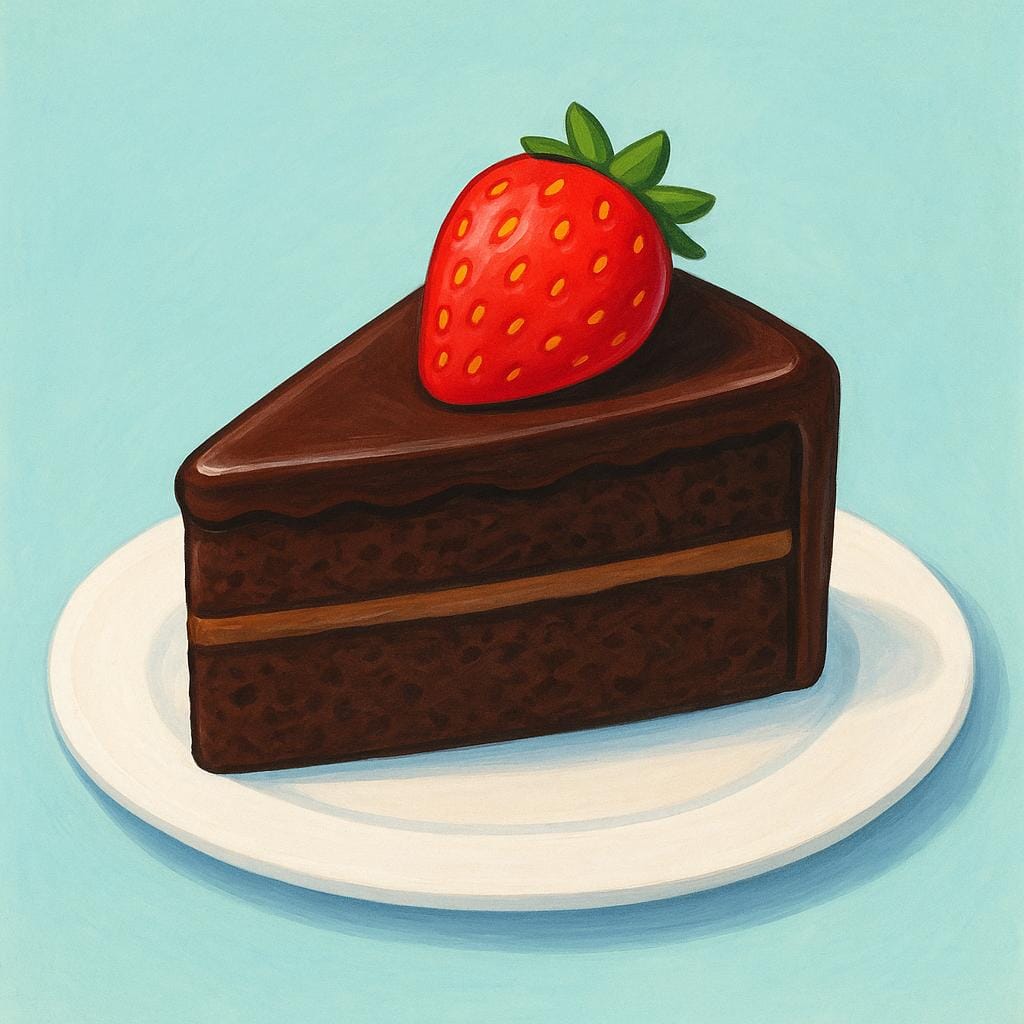
¿Qué quieres de postre? Tenemos tarta de chocolate.
What do you want for dessert? We have chocolate cake.
El postre favorito de mi abuela es el flan.
My grandmother's favorite dessert is flan.
Siempre pido un postre ligero después de una cena pesada.
I always order a light dessert after a heavy dinner.
Gender Rule Breaker
Even though many Spanish nouns that end in '-e' can be either masculine or feminine, 'postre' is always masculine: el postre.
Confusing Postre and Dulce
Mistake: “Using 'dulce' when referring specifically to the course after dinner (e.g., 'Quiero un dulce').”
Correction: While 'dulce' means 'sweet' and can sometimes mean 'dessert,' it's safer and clearer to use 'postre' when talking about the final dish of a meal. 'Dulce' is often used for candies or general sweet treats.
adorable
ah-doh-RAH-bleha.ðoˈɾa.βle

Examples
Ese bebé tiene unos ojos adorables.
That baby has adorable eyes.
Ese gatito es tan adorable que quiero adoptarlo.
That kitten is so adorable that I want to adopt it.
Tu hija tiene una sonrisa adorable.
Your daughter has an adorable smile.
Compramos unos adornos muy adorables para la fiesta.
We bought some very cute (adorable) decorations for the party.
Adjective Placement
Like most descriptive Spanish adjectives, 'adorable' usually comes after the noun it describes: 'un bebé adorable' (an adorable baby).
Gender Consistency
Since 'adorable' ends in '-e', it doesn't change its ending for masculine or feminine nouns. Use 'adorable' for both men and women, or masculine and feminine objects.
Forgetting the Plural 's'
Mistake: “Los niños son adorable.”
Correction: Los niños son adorables. (You must add '-s' when describing more than one person or thing.)
encantadora
en-can-ta-DO-raenkan.taˈðo.ɾa

Examples
La anfitriona fue muy encantadora con todos los invitados.
The hostess was very charming with all the guests.
Mi nueva vecina es muy encantadora y siempre me saluda.
My new neighbor is very charming and always greets me.
La decoración de su sala era simple, pero encantadora.
The decoration of her living room was simple, but lovely.
Tuvimos una tarde encantadora en el parque con los niños.
We had a delightful afternoon in the park with the children.
Adjective Agreement
Since 'encantadora' describes a feminine, singular thing or person, it must end in '-a'. If you were describing a man, you would use 'encantador'.
tierno
tee-EHR-nohˈtjeɾno

Examples
Fue un gesto muy tierno de su parte.
It was a very sweet/tender gesture on your part.
Mi abuela es muy tierna y siempre tiene un abrazo para mí.
My grandmother is very sweet/affectionate and always has a hug for me.
Escribió una carta tierna a su esposa en su aniversario.
He wrote a tender letter to his wife on their anniversary.
La película era muy tierna, casi me hizo llorar.
The movie was very sweet/moving; it almost made me cry.
Use with 'Ser'
When describing a person's permanent characteristic (their nature), use 'ser': 'Ella es tierna' (She is a sweet person). If you use 'estar', it means they are currently being sweet or acting sensitive, though this is less common.
Confusing 'Tierno' and 'Dulce'
Mistake: “Using 'dulce' to mean physically tender (e.g., 'carne dulce').”
Correction: Use 'tierno' for texture (tender meat) and 'dulce' mainly for taste (sweet flavor) or a person's temperament. 'Tierno' covers both physical softness and emotional sweetness.
romántico
roh-MAHN-tee-kohroˈman.ti.ko

Examples
Nos prepararon una cena romántica a la luz de las velas.
They prepared a romantic dinner for us by candlelight.
Mi novio planeó una cena muy romántica para nuestro aniversario.
My boyfriend planned a very romantic dinner for our anniversary.
Ella es una persona muy romántica; siempre escribe poemas.
She is a very romantic person; she always writes poems.
No soy muy fanático de las películas románticas.
I'm not a big fan of romantic movies.
Adjective Agreement
Like many Spanish adjectives ending in 'o', this word must change its ending to match the noun it describes: 'romántico' (masculine singular), 'romántica' (feminine singular), 'románticos' (masculine plural), 'románticas' (feminine plural).
Taste vs. Personality
Related Translations
Learn Spanish with Inklingo
Interactive stories, personalized learning, and more.