How to Say "candy" in Spanish
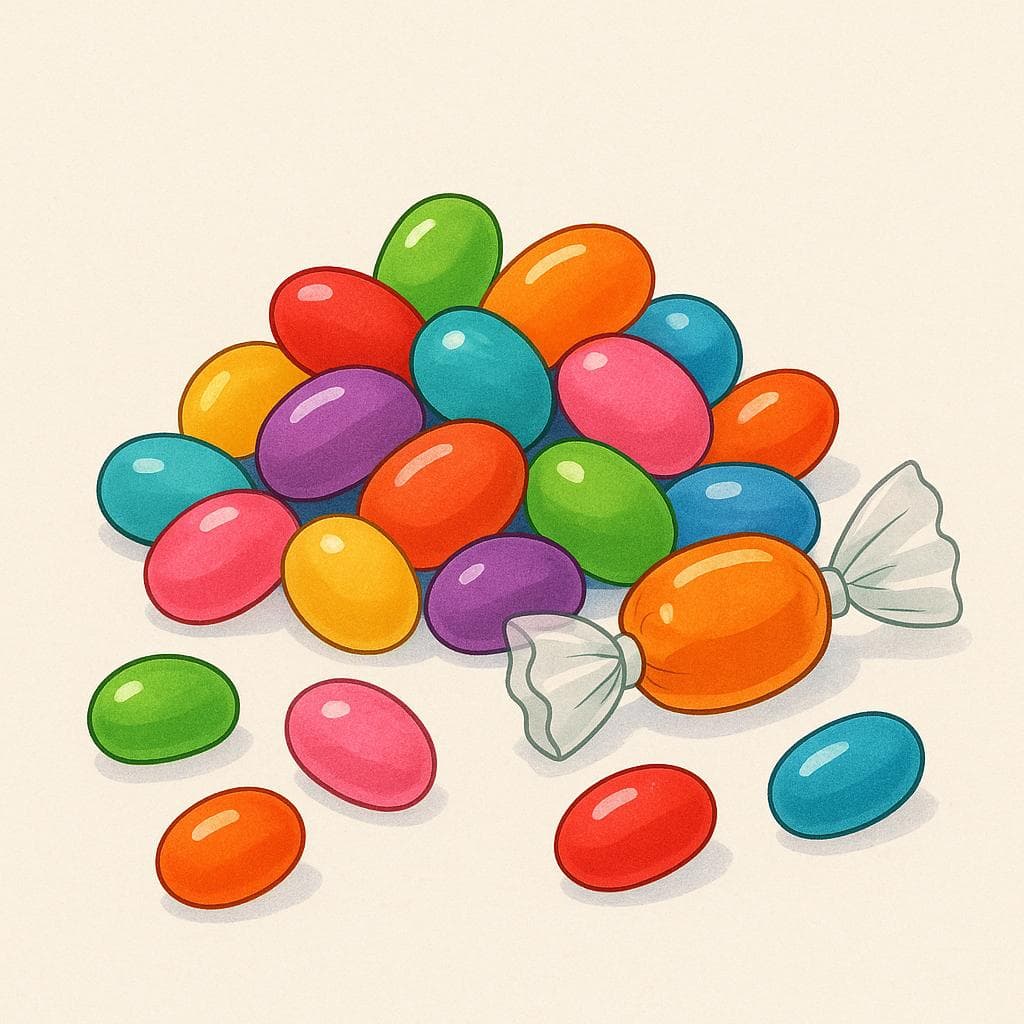
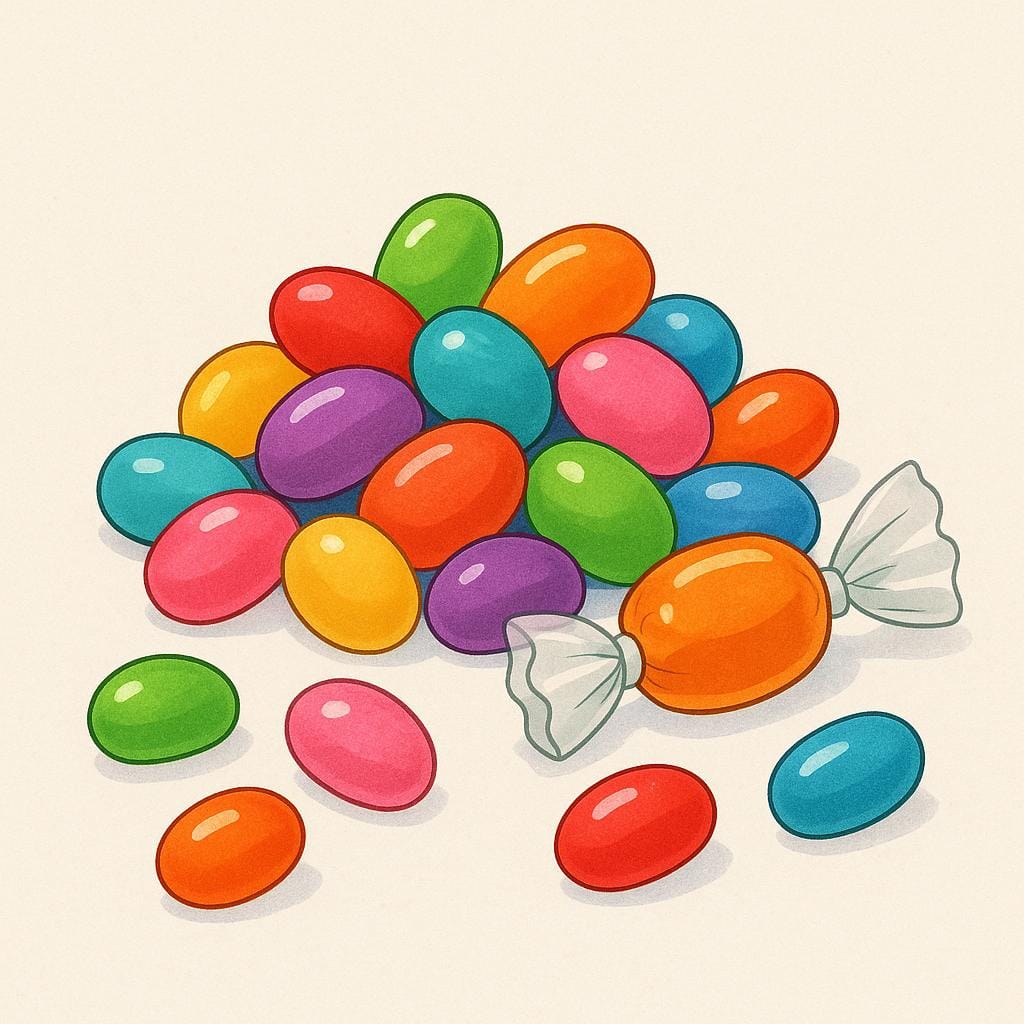
The most common Spanish word for “candy” is “dulce” — use 'dulce' when referring to candy in a general sense, or for individual pieces of candy that are not necessarily hard confections.

dulce
DOOL-sehˈdul.se
Examples
Mi hijo comió demasiados dulces en la fiesta.
My son ate too much candy at the party.
¿Qué hay de dulce hoy?
What's for dessert today?
El dulce de leche es muy popular en Argentina.
Dulce de leche (a caramel-like spread) is very popular in Argentina.
Always Masculine
Even though it ends in '-e', when 'dulce' is used as a noun for candy, it's always masculine. So you say 'el dulce' (the candy) or 'los dulces' (the candies).
'Dulce' vs. 'Postre'
Mistake: “Saying 'Quiero un dulce' when you mean the dessert course on a menu.”
Correction: It's better to ask '¿Qué hay de postre?'. While 'dulce' can mean dessert, 'postre' is more specific for the final course of a meal. 'Un dulce' usually means a single piece of candy.
caramelo
kah-rah-MEH-lohka.ɾaˈme.lo

Examples
Mi abuela siempre tiene caramelos de menta en su bolso.
My grandmother always has mint candies in her purse.
No comas tantos caramelos antes de la cena.
Don't eat so many sweets before dinner.
Este caramelo es para la tos, no es muy dulce.
This lozenge is for the cough, it's not very sweet.
Masculine Noun
Even though many Spanish words ending in '-a' are feminine, 'caramelo' ends in '-o' and is always masculine, so you use 'el caramelo' or 'un caramelo'.
General vs. Specific Candy Terms
Learn Spanish with Inklingo
Interactive stories, personalized learning, and more.