How to Say "educated" in Spanish
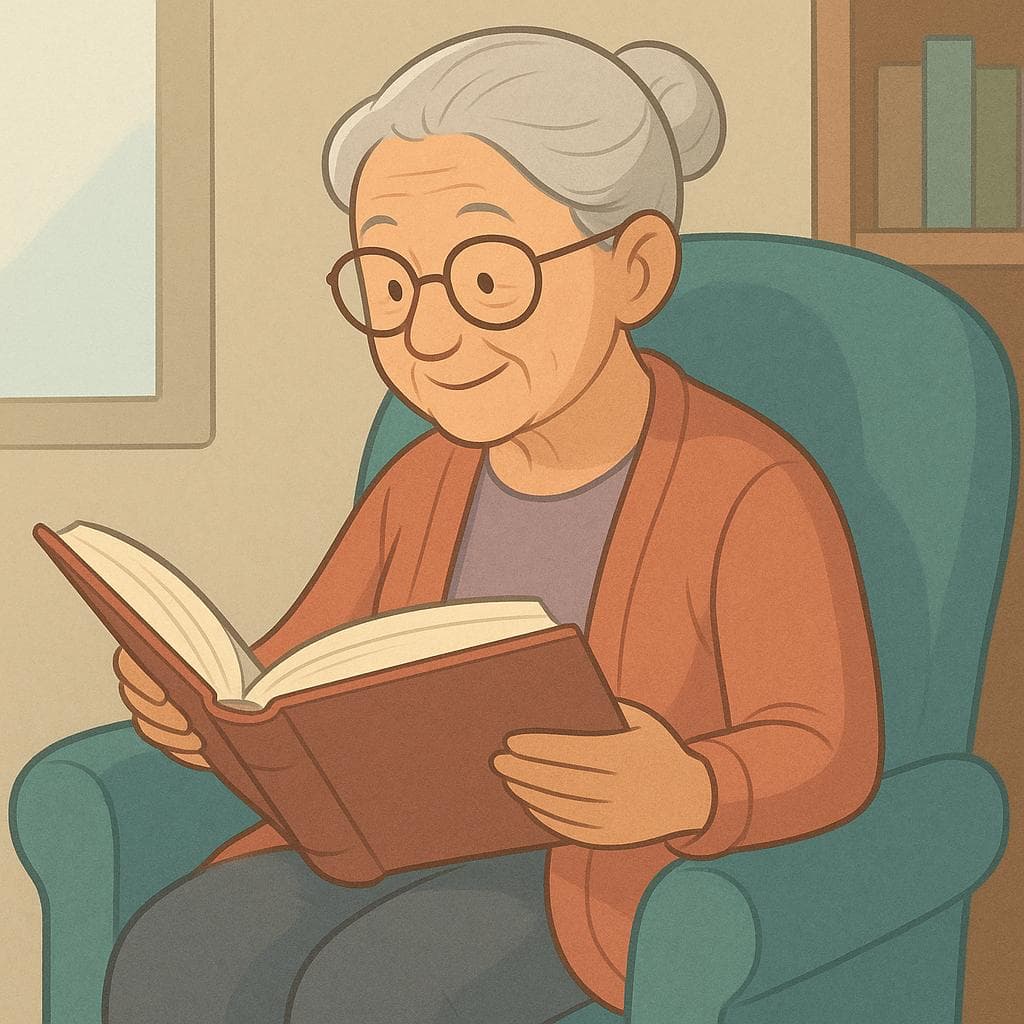
The most common Spanish word for “educated” is “educado” — use 'educado' when referring to someone who has received formal schooling or attended an educational institution.



educado
eh-doo-KAH-doheðuˈkaðo

Examples
Es un médico educado en la Universidad de Salamanca.
He is a doctor educated at the University of Salamanca.
Necesitas un oído educado para distinguir esa nota musical.
You need a trained ear to distinguish that musical note.
Ella era una mujer educada, con grandes conocimientos de historia.
She was an educated woman, with great knowledge of history.
The Root Verb
'Educado' is the past participle of the verb 'educar' (to educate, to raise). When used as an adjective, it describes the result of that action.
enseñado
Examples
Es un niño muy enseñado y respeta a los mayores.
He is a very well-mannered/educated child and respects his elders.
preparada
preh-pah-RAH-dahpɾepaˈɾaða

Examples
Ella es una ingeniera muy preparada para este puesto.
She is a highly qualified engineer for this position.
Gracias a sus estudios, se siente más preparada.
Thanks to her studies, she feels more capable/trained.
Ser vs. Estar (Quality)
Use 'ser preparada' (e.g., 'Ella es preparada') to describe a fundamental, inherent quality—her education or training is a permanent part of who she is.
culto
KOOL-tohˈkulto

Examples
Es una persona muy culta que conoce mucho sobre historia y arte.
They are a very cultured person who knows a lot about history and art.
Utiliza un lenguaje culto en sus discursos.
He uses sophisticated language in his speeches.
Describing People
When you use this to describe a person, the ending changes: use 'culto' for a man and 'culta' for a woman.
Not the same as 'polite'
Mistake: “Using 'culto' to mean someone has good manners.”
Correction: Use 'educado' for good manners. 'Culto' is specifically about having knowledge and education.
aprendido
ah-pren-DEE-doha.pɾenˈdi.ðo
Examples
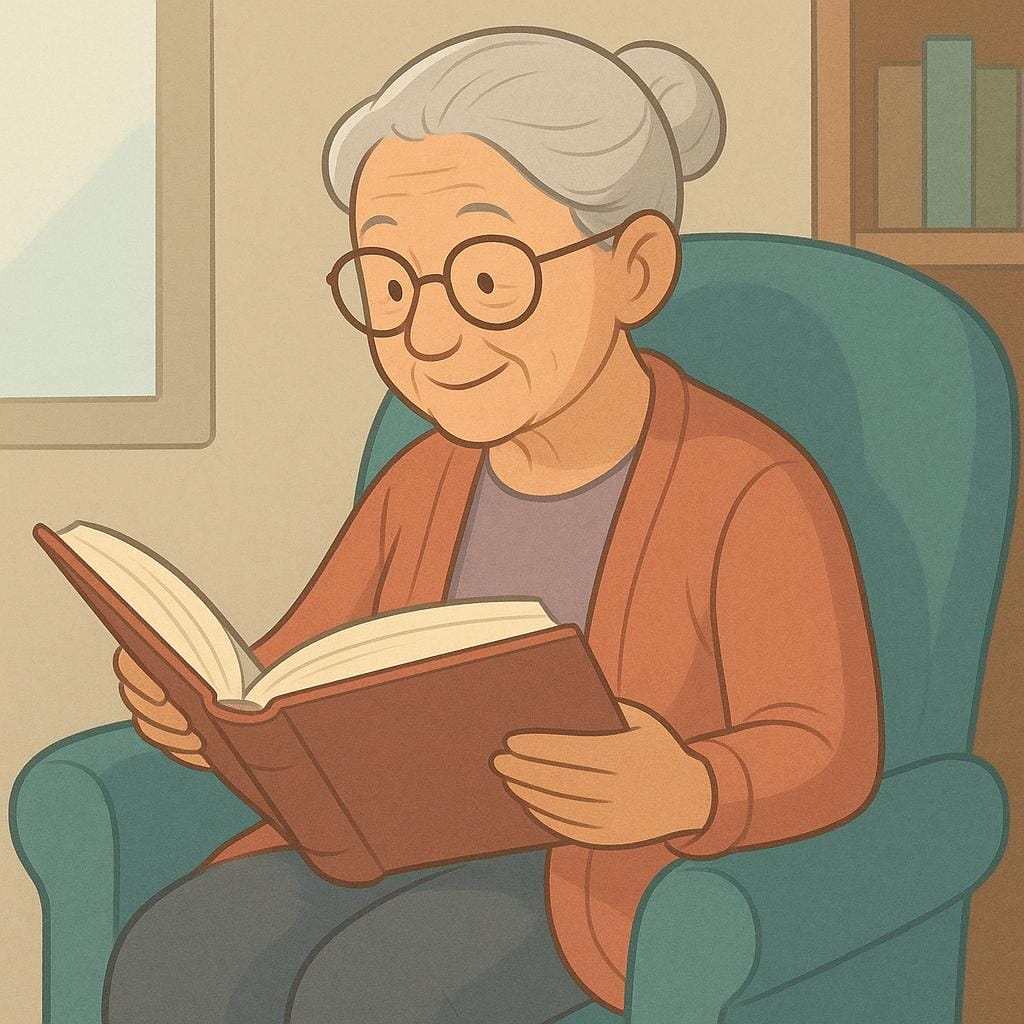
El profesor es un hombre muy aprendido en historia.
The professor is a very learned man in history.
Sus modales no son innatos, son aprendidos.
His manners are not innate; they are acquired.
Tuvieron una conversación muy aprendida sobre filosofía.
They had a very intellectual conversation about philosophy.
Matching the Noun
When 'aprendido' is used as a descriptive word (adjective), it must change its ending to match the person or thing it describes: 'aprendido' (masculine singular), 'aprendida' (feminine singular), 'aprendidos' (masculine plural), 'aprendidas' (feminine plural).
Confusing Adjective vs. Verb Form
Mistake: “Using 'es aprendido' (it is learned) when you mean 'ha aprendido' (it has learned).”
Correction: Use 'ser' or 'estar' + 'aprendido' only when describing a permanent state or quality ('Es un hábito aprendido'). Use 'haber' + 'aprendido' for an action that just finished ('Él ha aprendido').
enseñó
Examples
Mi abuela me enseñó a leer cuando era niña.
My grandmother taught me how to read when I was little.
Educado vs. Enseñando vs. Culto
Learn Spanish with Inklingo
Interactive stories, personalized learning, and more.