How to Say "polite" in Spanish
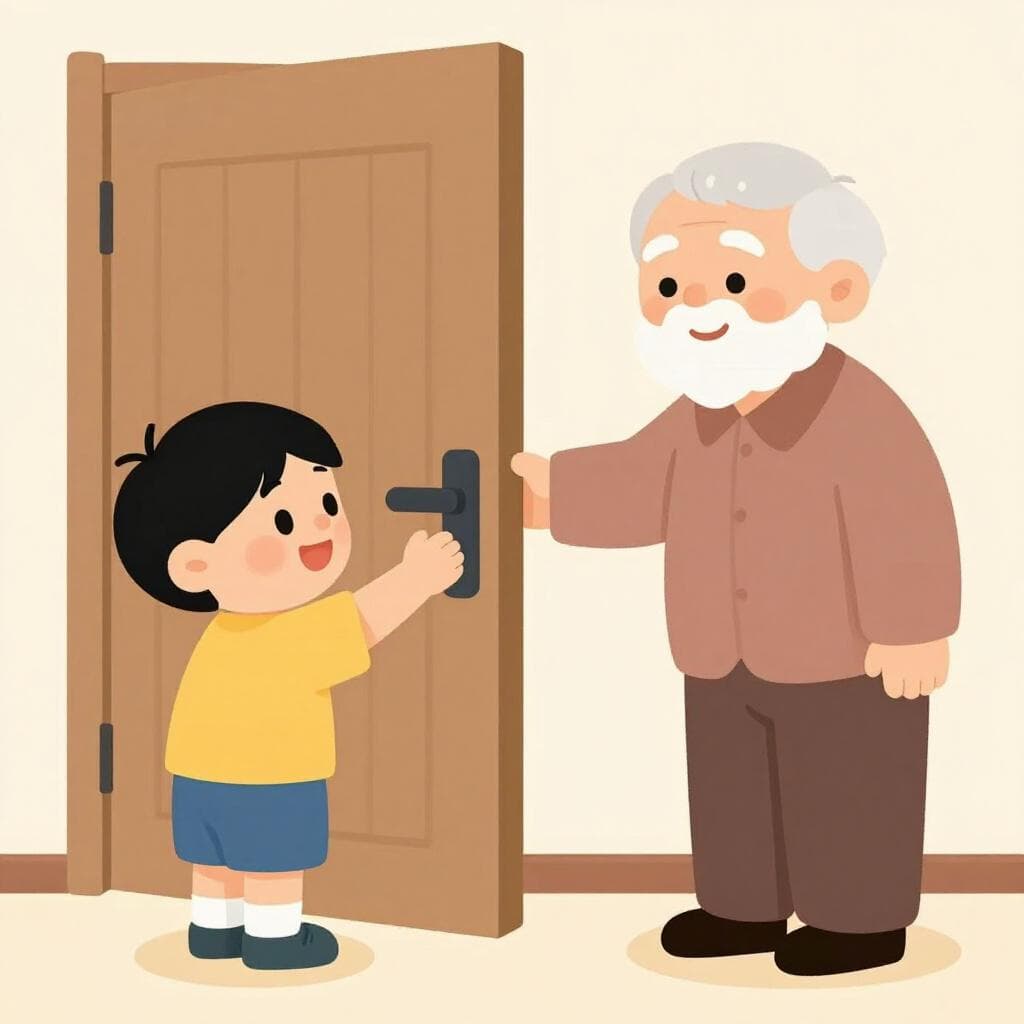
The most common Spanish word for “polite” is “educado” — use this word for general good manners, like saying 'please' and 'thank you,' or showing basic respect, especially for children.





educado
eh-doo-KAH-doheðuˈkaðo

Examples
Mi hijo es muy educado, siempre saluda a los vecinos.
My son is very polite; he always greets the neighbors.
Ella es educada y sabe cómo comportarse en la mesa.
She is well-mannered and knows how to behave at the table.
Pide las cosas 'por favor' y 'gracias'; es la forma de ser educado.
Ask for things using 'please' and 'thank you'; that's the way to be polite.
Agreement is Key
Since 'educado' is an adjective, make sure it matches the person or thing you are describing: 'educada' (feminine), 'educados' (masculine plural), 'educadas' (feminine plural).
False Friend Alert!
Mistake: “Using 'educado' only to mean 'has a college degree.'”
Correction: In Spanish, the main meaning is 'polite.' If you want to say someone is 'academically educated,' use 'instruido' or 'con estudios superiores.'
Examples
Fueron muy atentos con nosotros durante la visita.
They were very thoughtful toward us during the visit.
respetuoso
rrehs-peh-t-woh-sohrespeˈtwoso

Examples
Juan es un niño muy respetuoso con sus abuelos.
Juan is a very respectful boy with his grandparents.
Es importante ser respetuoso con el medio ambiente.
It is important to be respectful of the environment.
Todos guardaron un silencio respetuoso durante el discurso.
Everyone kept a respectful silence during the speech.
Matching the Ending
Since this word describes a person or thing, the ending changes. Use 'respetuoso' for a man, 'respetuosa' for a woman, and add an 's' if there is more than one person.
Connecting to the Object
When you want to say who you are being respectful toward, use the word 'con' (with). For example: 'Soy respetuoso con mis padres' (I am respectful with/toward my parents).
Using the wrong connector
Mistake: “Soy respetuoso de mi profesor.”
Correction: Soy respetuoso con mi profesor. Use 'con' when talking about people; 'de' is usually reserved for laws or rules.
Confusing with 'Respetable'
Mistake: “Él es un hombre muy respetuoso.”
Correction: This is correct if he shows respect to others. If you mean he *deserves* respect because of his reputation, use 'respetable'.
correcto
ko-rreh-ktohkoˈrekto

Examples
Es un hombre muy correcto y educado.
He is a very polite and well-mannered man.
Su comportamiento en la fiesta fue muy correcto.
His behavior at the party was very proper.
Llevaba una vestimenta correcta para la ocasión.
He was wearing proper attire for the occasion.
Describing People
When used for people, it implies they follow social rules and are respectful, rather than just being 'right' about something.
Correct vs. Educated
Mistake: “Él es muy correcto.”
Correction: Él es muy educado.
diplomático
Examples
Tienes que ser diplomático cuando hables con tu jefe.
You have to be tactful when you speak with your boss.
civilizado
see-bee-lee-SAH-dohsiβiliˈθaðo

Examples
Por favor, tened una charla civilizada.
Please, have a civilized/polite chat.
Se comportó como un hombre civilizado a pesar del enfado.
He behaved like a civilized man despite the anger.
Es difícil ser civilizado cuando alguien es tan grosero.
It is hard to be polite when someone is so rude.
Describing Actions
Even though it's a descriptive word (adjective), you can use it after 'parecer' (to seem) to describe how someone is acting in a specific moment.
Don't forget the 'd'
Mistake: “Saying 'civilizao' instead of 'civilizado'.”
Correction: In casual speech, some people drop the 'd', but in writing and clear speech, you should always include it.
civil
see-VEELθiˈβil

Examples
El derecho civil regula las relaciones entre particulares.
Civil law regulates relationships between private individuals.
El código civil es muy extenso y complejo.
The civil code is very extensive and complex.
Fue muy civil al responder a la crítica.
He was very polite (or courteous) when responding to the criticism.
The 'Polite' Meaning
In older Spanish, or sometimes in very formal contexts, 'civil' can mean 'polite' or 'courteous,' similar to the English 'civil' when describing manners. This usage is less common today.
civiles
see-VEE-layssiˈβiles

Examples
Necesitamos más acuerdos civiles entre los países.
We need more civil agreements between the countries.
Los derechos civiles son fundamentales para la democracia.
Civil rights are fundamental for democracy.
La zona fue entregada a las autoridades civiles.
The area was handed over to the civil authorities.
Adjective Agreement
Since 'civiles' is plural, it must be used with plural nouns (like 'derechos' or 'autoridades'). The singular form is 'civil'.
Confusing Singular/Plural
Mistake: “Usar 'derecho civil' cuando se habla de varios derechos.”
Correction: Use 'derechos civiles' (plural) when talking about multiple rights, or 'derecho civil' (singular) for the field of law itself.
Educado vs. Atento vs. Respetuoso
Related Translations
Learn Spanish with Inklingo
Interactive stories, personalized learning, and more.