How to Say "endurance" in Spanish
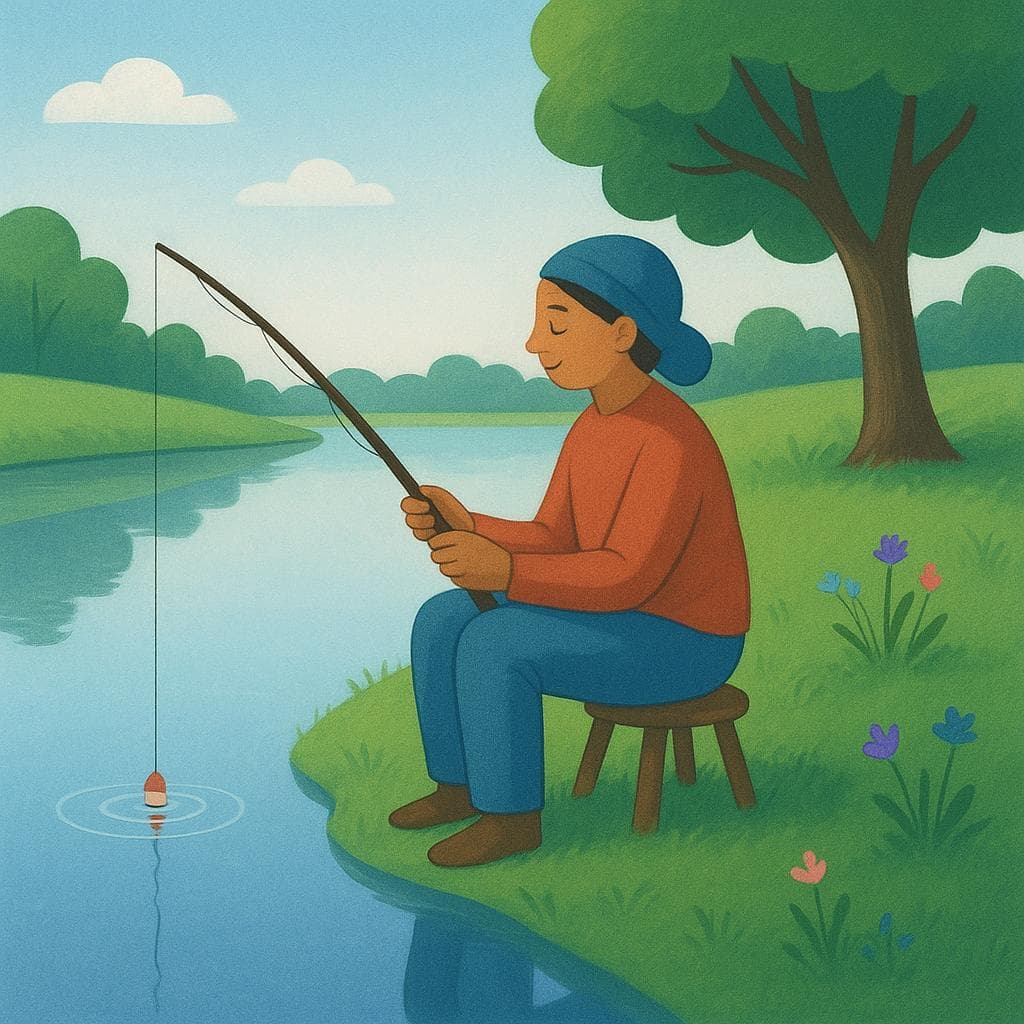
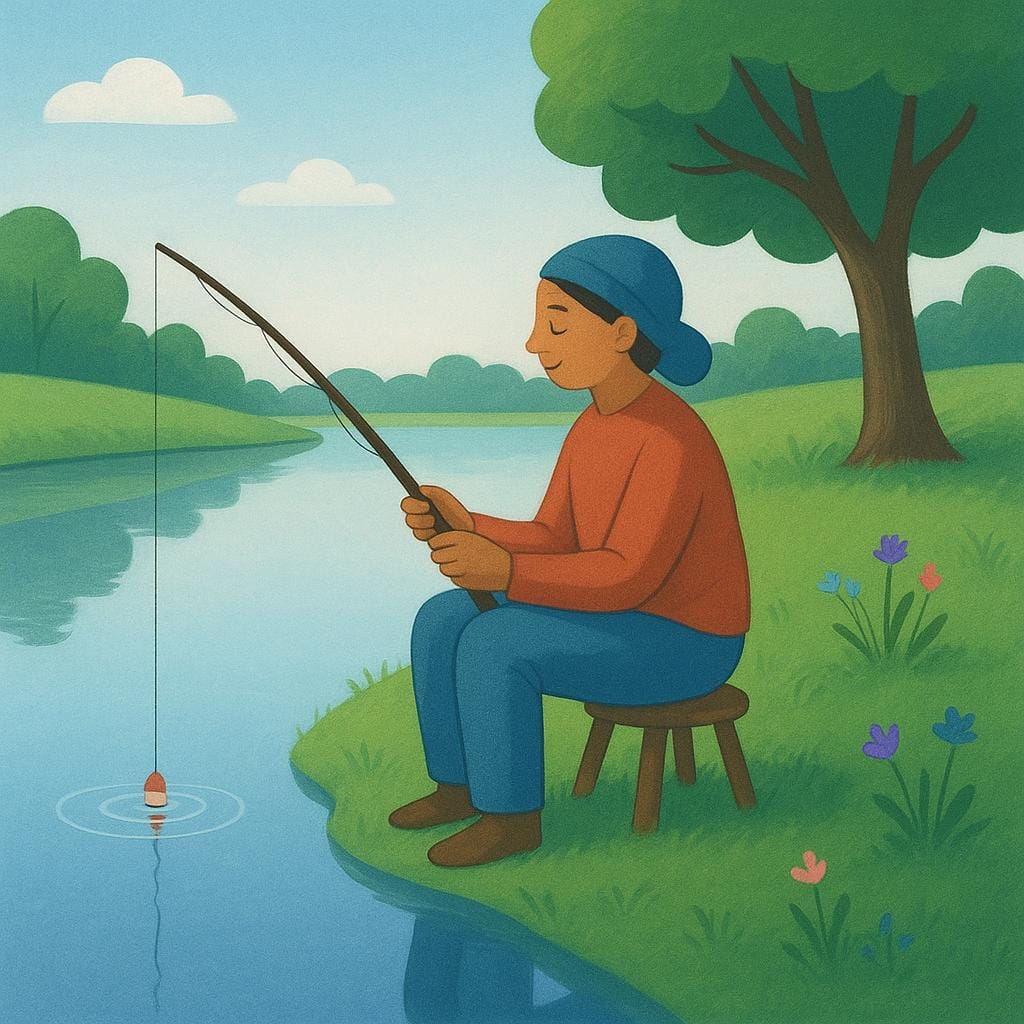
The most common Spanish word for “endurance” is “paciencia” — use 'paciencia' when 'endurance' refers to the mental fortitude and self-control needed to tolerate delays, difficulties, or suffering without getting upset or complaining.



paciencia
pah-syen-syahpaˈsjen.sja
Examples
Necesitas mucha paciencia para enseñar a niños pequeños.
You need a lot of patience to teach small children.
Perdí la paciencia esperando el autobús que nunca llegó.
I lost patience waiting for the bus that never arrived.
Ten paciencia, el proceso es lento pero seguro.
Have patience (Be patient), the process is slow but sure.
Gender Alert
Remember that 'paciencia' is a feminine noun, so you must use the article 'la' (la paciencia) and feminine adjectives with it.
Being Patient
To say 'to be patient' in Spanish, you usually say 'tener paciencia' (to have patience), rather than using the verb 'ser' or 'estar' directly with the noun.
Mixing 'Ser' and 'Tener'
Mistake: “Soy paciencia. (I am patience.)”
Correction: Tengo paciencia. (I have patience.) Use 'tener' to describe possessing this quality, or use the adjective: 'Soy paciente' (I am patient).
resistencia
reh-sees-TEN-see-ahresisˈtensja

Examples
El corredor tiene una gran resistencia física.
The runner has great physical stamina.
Perdí la resistencia después de subir tantas escaleras.
I lost my endurance after climbing so many stairs.
Su resistencia a las enfermedades es impresionante.
His resistance to illnesses is impressive.
Gender Rule
Like most Spanish nouns that end in '-cia' or '-ción', 'resistencia' is always feminine, so you use 'la' or 'una' before it.
tolerancia
toh-leh-rahn-syahtoleˈɾansja

Examples
Tengo poca tolerancia al picante.
I have little tolerance for spicy food.
El paciente desarrolló tolerancia al medicamento.
The patient developed a tolerance to the medicine.
Esta máquina tiene un pequeño margen de tolerancia.
This machine has a small margin of tolerance (error).
Use with 'al' or 'a la'
When talking about physical tolerance, you usually link the word to the substance using 'al' (to the) or 'a la'.
Confusing with Patience
Mistake: “No tengo tolerancia con el tráfico.”
Correction: No tengo paciencia con el tráfico. Use 'paciencia' for annoyance and 'tolerancia' for physical endurance or deep social values.
supervivencia
soo-per-vee-VEN-seeahsuperbiˈβenθja

Examples
La escasez de agua puso en peligro la supervivencia de la colonia.
The lack of water put the colony's survival in danger.
El instinto de supervivencia nos obliga a buscar refugio.
The instinct of survival forces us to seek shelter.
La pequeña empresa luchaba por su supervivencia en el mercado.
The small company was fighting for its survival in the market.
Feminine Noun Pattern
Most Spanish nouns that end in -encia (like 'supervivencia' or 'paciencia') are feminine, so they always use the articles 'la' or 'una'.
Using the wrong preposition
Mistake: “Luchar a la supervivencia (Fighting *to* survival)”
Correction: Luchar por la supervivencia (Fighting *for* survival). Spanish uses 'por' to show the goal or objective of the fight.
Paciencia vs. Resistencia
Related Translations
Learn Spanish with Inklingo
Interactive stories, personalized learning, and more.