How to Say "faction" in Spanish
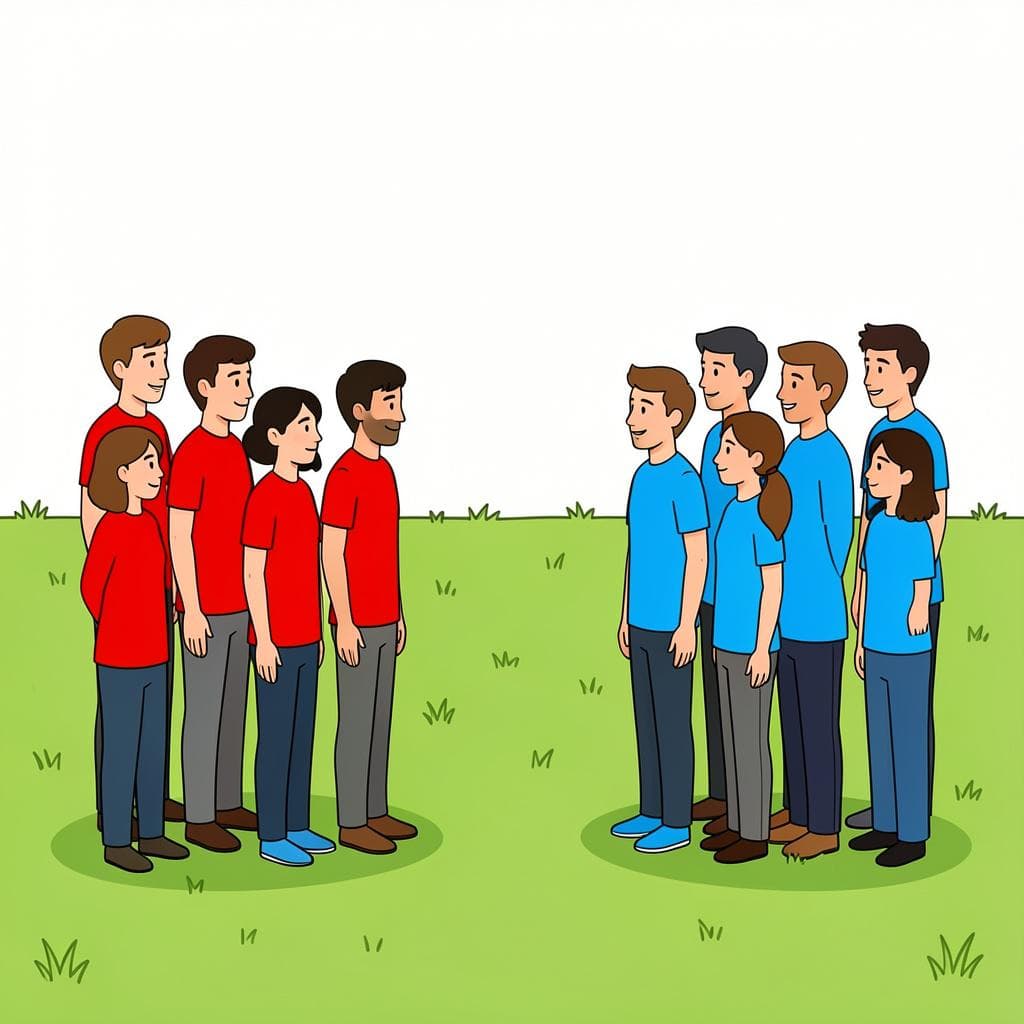
The most common Spanish word for “faction” is “bando” — use 'bando' when referring to a group, side, or party, especially in a conflict, war, or a division within a larger entity like a political party or even a family.


bando
BAHN-dohˈbando
Examples
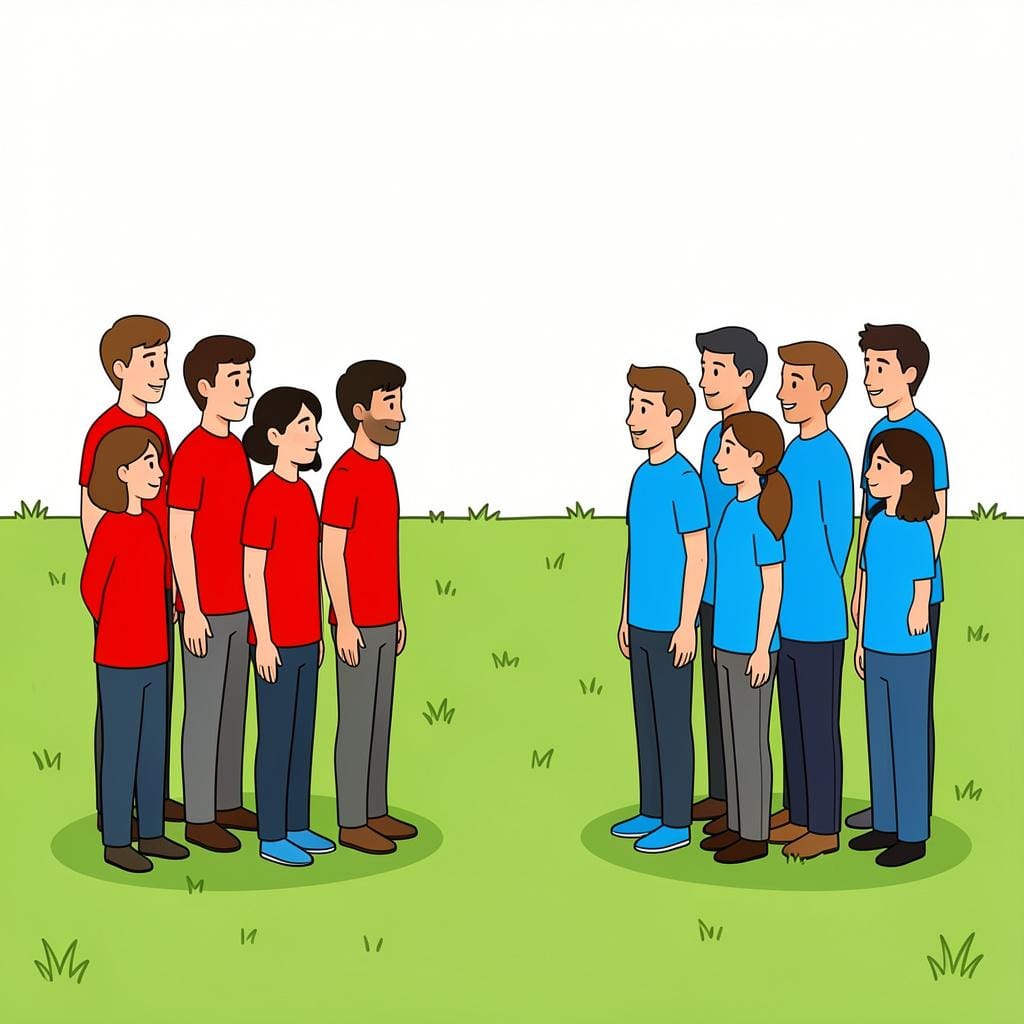
El equipo se dividió en dos bandos durante la discusión.
The team split into two factions during the argument.
En la guerra civil, muchas familias se dividieron en bandos opuestos.
During the civil war, many families were divided into opposing sides.
No quiero elegir un bando en esta discusión.
I don't want to choose a side in this argument.
Los caballeros del bando del rey ganaron la batalla.
The knights on the king's side won the battle.
Always Masculine
Even though it ends in 'o', which is standard, remember that 'el bando' is used even if the people in that group are women. It refers to the group itself.
Bando vs. Banda
Mistake: “Using 'bando' to mean a music group.”
Correction: Use 'banda' for a music group or a gang. 'Bando' is strictly for sides in a division or conflict.
facción
fak-SYOHNfakˈθjon

Examples
Una facción del partido se opone a la nueva ley.
A faction of the party opposes the new law.
Una facción del partido no está de acuerdo con el nuevo líder.
A faction of the party does not agree with the new leader.
El ejército se dividió en varias facciones rivales.
The army split into several rival factions.
La facción rebelde tomó el control de la ciudad.
The rebel faction took control of the city.
Group Noun
Even though it refers to many people, it is a singular word. Use 'la facción es' not 'la facción son'.
Confusing with Fraction
Mistake: “Una facción de la pizza.”
Correction: Una fracción de la pizza.
clan
klanklan

Examples
El líder del clan familiar tiene gran influencia.
The leader of the family clan has great influence.
El viejo jefe del clan familiar decidió vender las tierras.
The old chief of the family clan decided to sell the lands.
Hay un clan de programadores muy influyente en esa empresa.
There is a very influential clique of programmers in that company.
Los clanes escoceses tienen una historia rica y compleja.
Scottish clans have a rich and complex history.
Gender Rule
Even though 'clan' ends in 'n' and refers to a group, it is a masculine noun. Always use 'el' or 'un' before it: 'el clan'.
Misgendering the Noun
Mistake: “La clan es muy grande.”
Correction: El clan es muy grande. Remember to use the masculine article 'el'.
Bando vs. Facción
Related Translations
Learn Spanish with Inklingo
Interactive stories, personalized learning, and more.