How to Say "feel" in Spanish
The most common Spanish word for “feel” is “hallar” — use 'hallarse' (reflexive) to describe your state of mind or physical condition, essentially 'to find oneself' in a certain state.

hallar
ah-YARaˈʝaɾ

Examples
Me hallo muy cansado después del viaje.
I find myself very tired after the trip. (I feel very tired.)
La oficina se halla en el centro de la ciudad.
The office is located in the center of the city.
The Reflexive Meaning
When you add 'se' (hallarse), the verb shifts from 'finding something else' to 'finding oneself' in a certain place or emotional state. It acts like a formal way of saying 'to be' or 'to feel.'
Using 'Hallar' for Feelings
Mistake: “Saying 'Yo hallo triste' (I find sad).”
Correction: When talking about feelings, you must use the reflexive form: 'Yo me hallo triste' (I find myself sad/I feel sad). Remember the 'me' is essential.
tacto
TAK-tohˈtakto
Examples
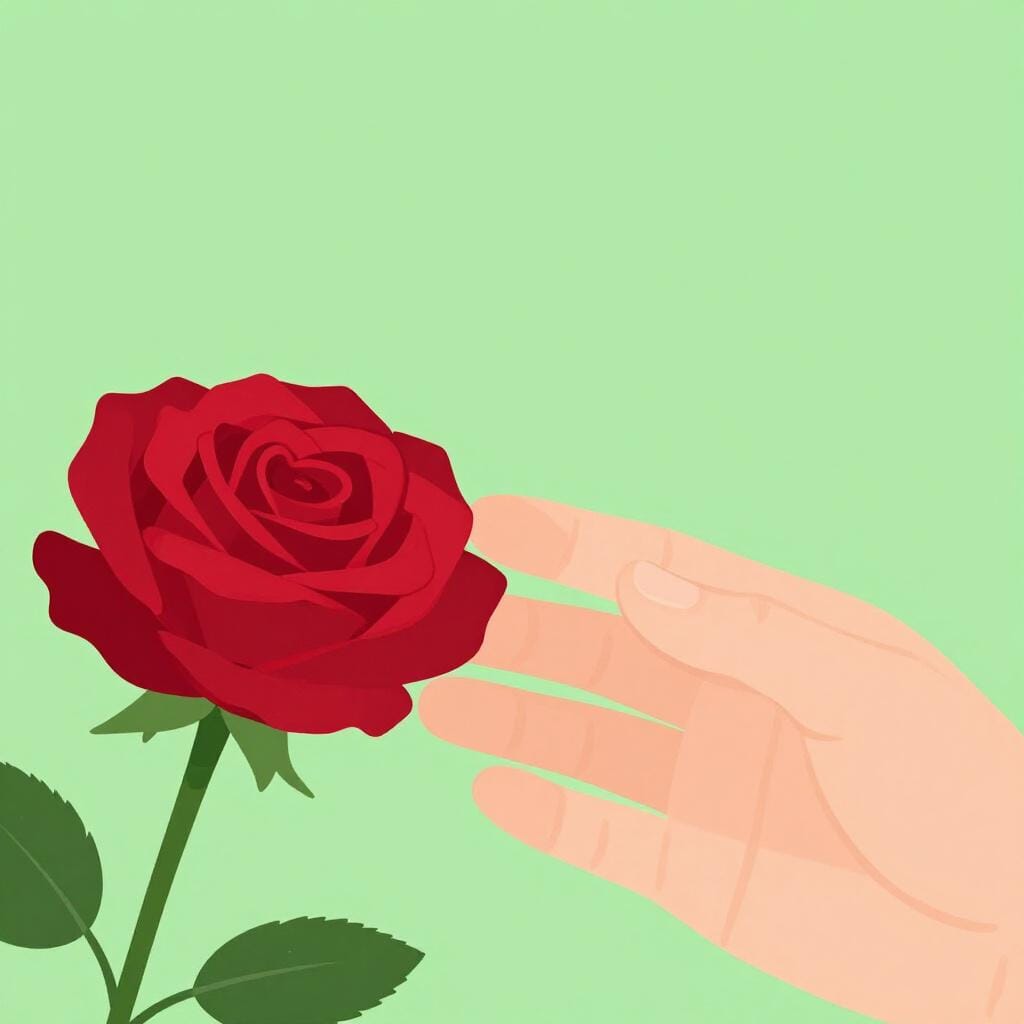
El tacto de esta cobija es muy suave.
The feel of this blanket is very soft.
El sentido del tacto nos permite sentir la temperatura.
The sense of touch allows us to feel temperature.
Perdió el tacto en las manos debido al frío extremo.
He lost the sense of touch in his hands due to the extreme cold.
Using 'al tacto'
To describe how something feels when you touch it, use the phrase 'al tacto' after an adjective. For example: 'rugoso al tacto' (rough to the touch).
Always Masculine
The word 'tacto' is always masculine. Even if you are talking about a woman's sense of touch, you use 'el tacto'.
Tacto vs. Toque
Mistake: “Me gusta el toque de esta tela.”
Correction: Me gusta el tacto de esta tela.
textura
teks-TOO-rahteksˈtuɾa
Examples
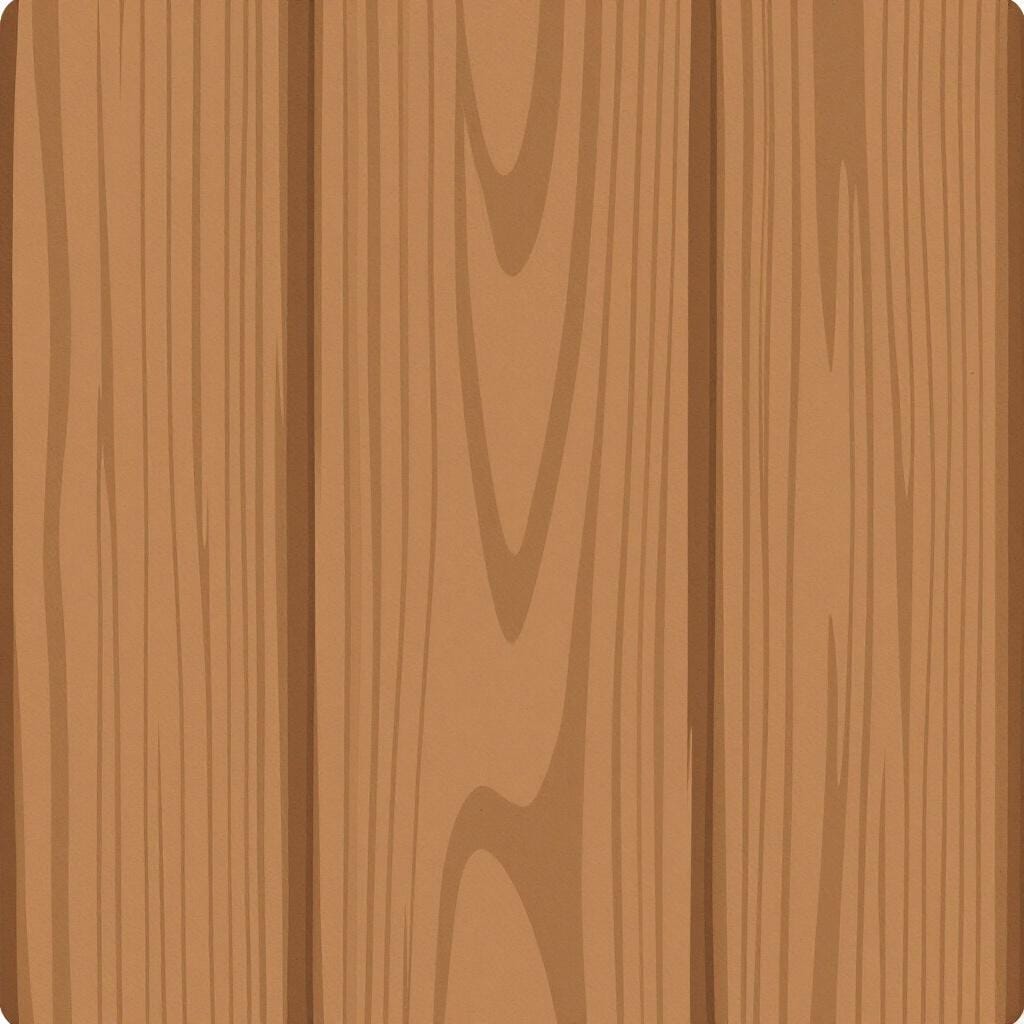
La pared tiene una textura rugosa.
The wall has a rough texture.
Me gusta la textura suave de esta bufanda de seda.
I like the soft feel of this silk scarf.
El artista añadió arena a la pintura para darle más textura.
The artist added sand to the paint to give it more texture.
Identifying the Gender
Words that end in '-ura' are almost always feminine in Spanish. This means you should use 'la' and 'una' with them (la textura).
Describing the Texture
When you want to describe a texture, the describing word (adjective) usually comes right after the word 'textura', like 'textura lisa' (smooth texture).
Using the wrong gender
Mistake: “El textura es suave.”
Correction: La textura es suave. Because it ends in -ura, it is a feminine word.
toque
TOH-kehˈto.ke
Examples
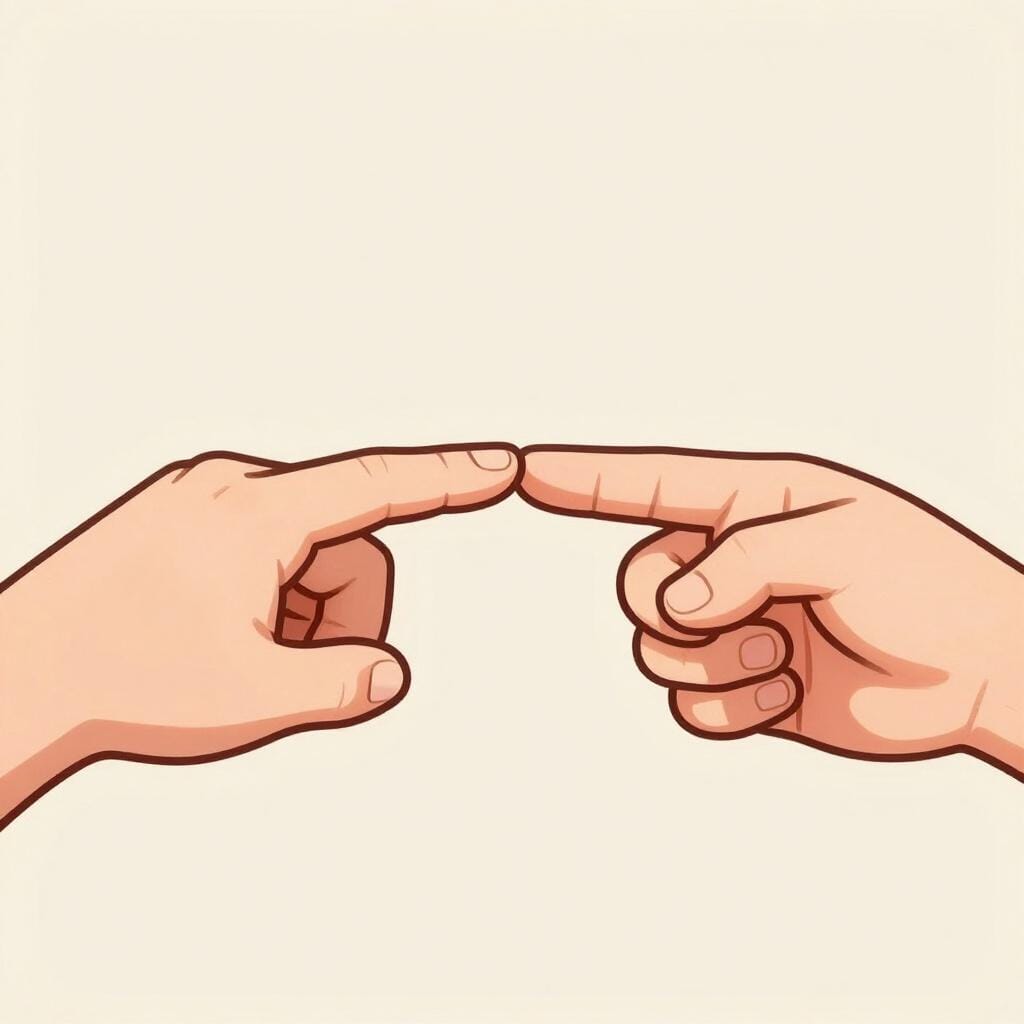
Sentí un toque en mi hombro y me giré.
I felt a touch on my shoulder and turned around.
Solo dale un toque suave al botón para encenderlo.
Just give the button a gentle tap to turn it on.
Connecting to the verb
This noun comes directly from the verb 'tocar' (to touch/play). Think of it as 'the action of touching.'
sabor
sah-BOARsaˈβoɾ
Examples
Esa canción tiene mucho sabor a los años 80.
That song has a lot of the feel/style of the 80s.
El festival le dio un sabor especial a la ciudad.
The festival gave a special character/vibe to the city.
La novela carece de sabor humano.
The novel lacks human essence/soul.
Using 'Sabor' Figuratively
When 'sabor' is used to describe a non-physical quality, it often means 'the feeling' or 'the spirit' of something. Think of it as the 'taste' of a mood or style.
Feel vs. Texture vs. Vibe
Related Translations
Learn Spanish with Inklingo
Interactive stories, personalized learning, and more.