How to Say "flock" in Spanish
The most common Spanish word for “flock” is “rebaño” — use 'rebaño' when referring to a group of sheep or goats, especially when guided by a shepherd.
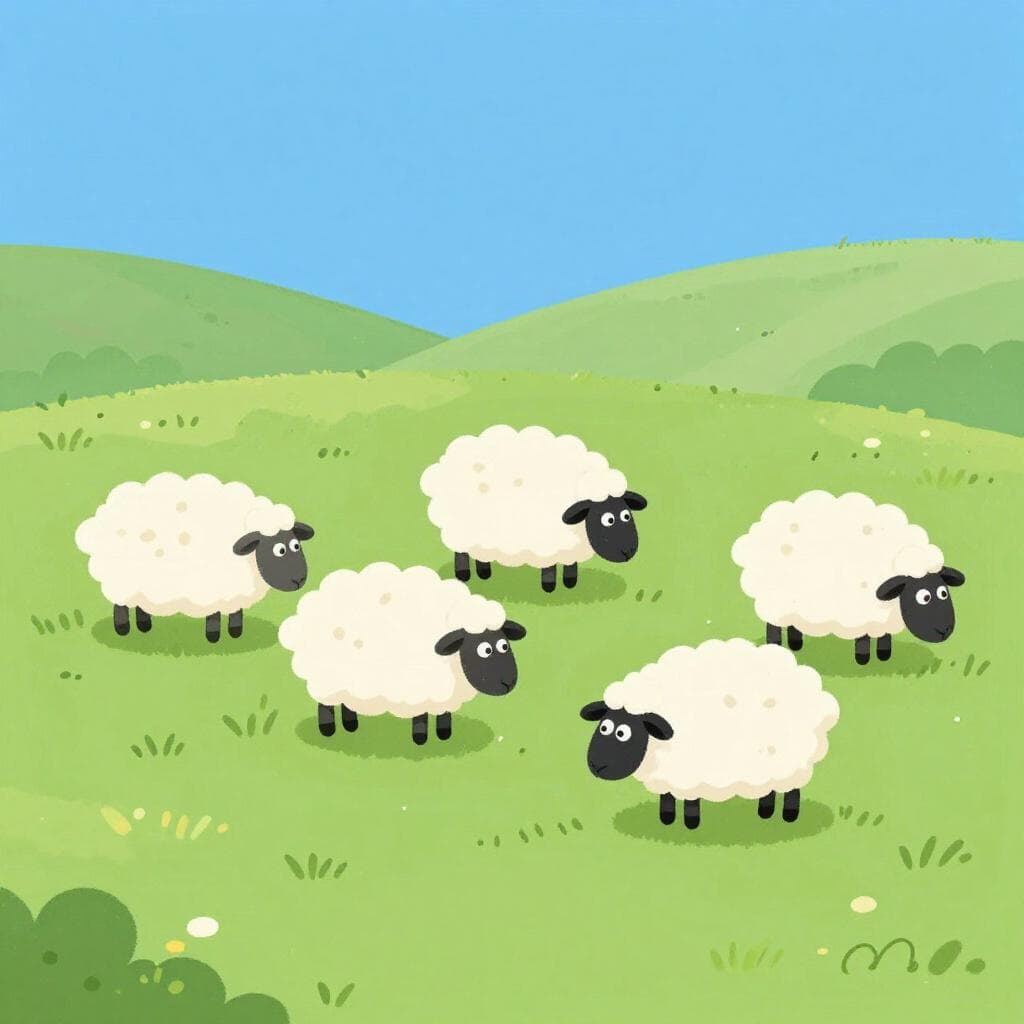


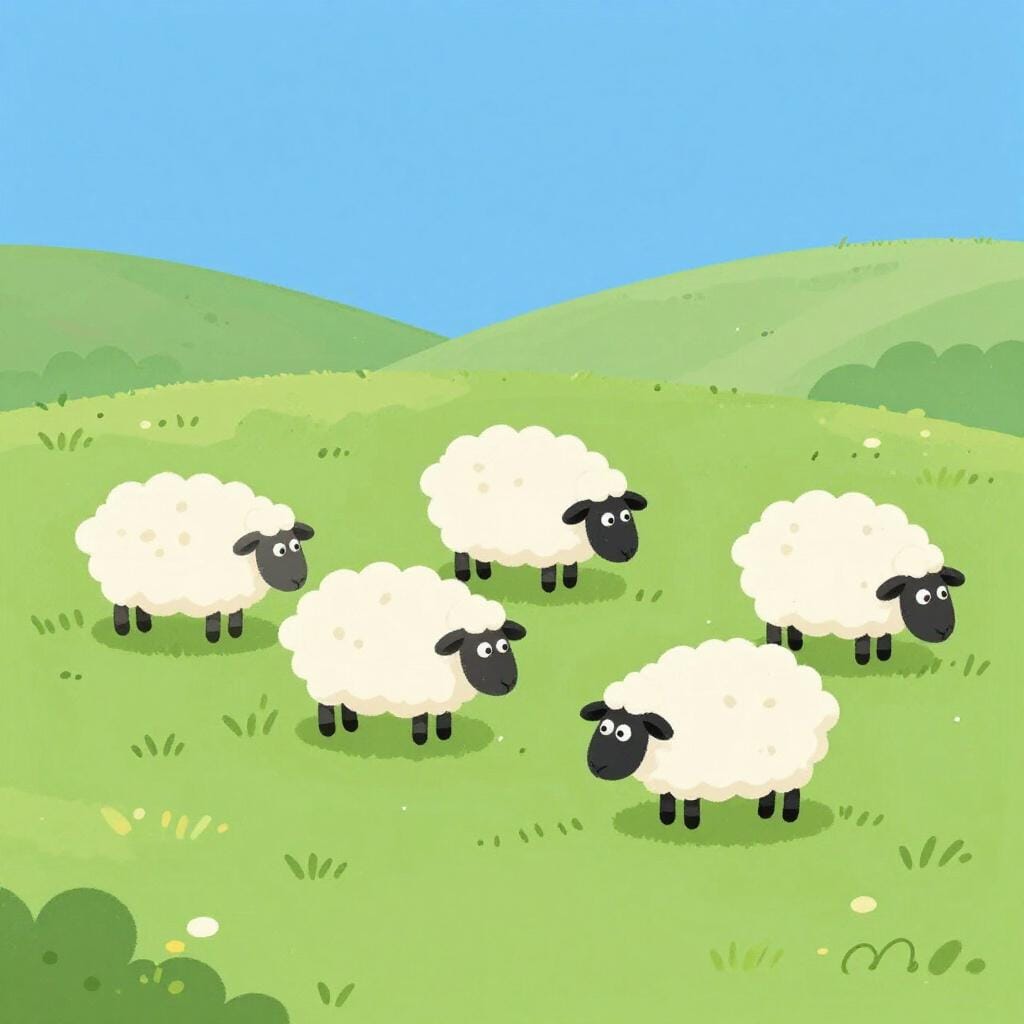
rebaño
re-BA-nyoreˈbaɲo
Examples
El pastor guía a su rebaño hacia la montaña.
The shepherd guides his flock toward the mountain.
Un gran rebaño de ovejas bloqueó la carretera.
A large flock of sheep blocked the road.
Las cabras del rebaño están pastando tranquilamente.
The goats in the herd are grazing peacefully.
Group words are singular
Even though a 'rebaño' contains many animals, the word itself is singular. You should use 'el' and singular verbs: 'El rebaño es grande' (The flock is big).
Using 'de' for specifics
If you want to say what kind of animals are in the flock, use 'de' followed by the plural animal: 'un rebaño de ovejas'.
Animal Type Errors
Mistake: “Un rebaño de lobos.”
Correction: Una manada de lobos. 'Rebaño' is specifically for farm animals like sheep and goats; 'manada' is for wild animals like wolves or cows.
manada
mah-NAH-dahmaˈnaða

Examples
Vimos una gran manada de elefantes cruzando la sabana.
We saw a large herd of elephants crossing the savanna.
La manada de lobos cazó un ciervo anoche.
The pack of wolves hunted a deer last night.
El león es el líder de la manada.
The lion is the leader of the pride/pack.
Feminine Noun
Since 'manada' ends in -a, it is always a feminine word. Use feminine articles and adjectives with it: 'una manada grande' (a big herd).
Verb Agreement
Mistake: “Las manadas están corriendo. (Using plural verb form)”
Correction: La manada está corriendo. (The word 'manada' is singular, so the verb must be singular, even if it refers to many animals.)
grey
greyɡɾei

Examples
El pastor guiaba a su grey por el sendero de la montaña.
The shepherd guided his flock along the mountain path.
La grey pastaba tranquilamente bajo el sol de la tarde.
The flock was grazing peacefully under the afternoon sun.
Es difícil mantener a toda la grey unida durante la tormenta.
It is difficult to keep the whole herd together during the storm.
El obispo dedicó unas palabras de aliento a su grey.
The bishop dedicated some words of encouragement to his flock.
It's Feminine!
Even though it doesn't end in 'a', this word is feminine. You should always use 'la' or 'una' with it (e.g., la grey).
Making it Plural
To make this word plural, add '-es' to the end: 'las greyes'. The 'y' acts like a consonant here.
Figurative Language
This word is a metaphor. Just as a shepherd leads sheep, a priest or leader leads a 'grey' (people).
Gender Error
Mistake: “el grey”
Correction: la grey (it is a feminine noun).
The English Confusion
Mistake: “Using 'grey' to mean the color.”
Correction: The color is 'gris'. The Spanish word 'grey' only means a flock or group.
Rebaño vs. Manada for Sheep
Learn Spanish with Inklingo
Interactive stories, personalized learning, and more.