How to Say "fruit" in Spanish
The most common Spanish word for “fruit” is “fruto” — use 'fruto' when referring to the botanical or biological product of a tree or plant.

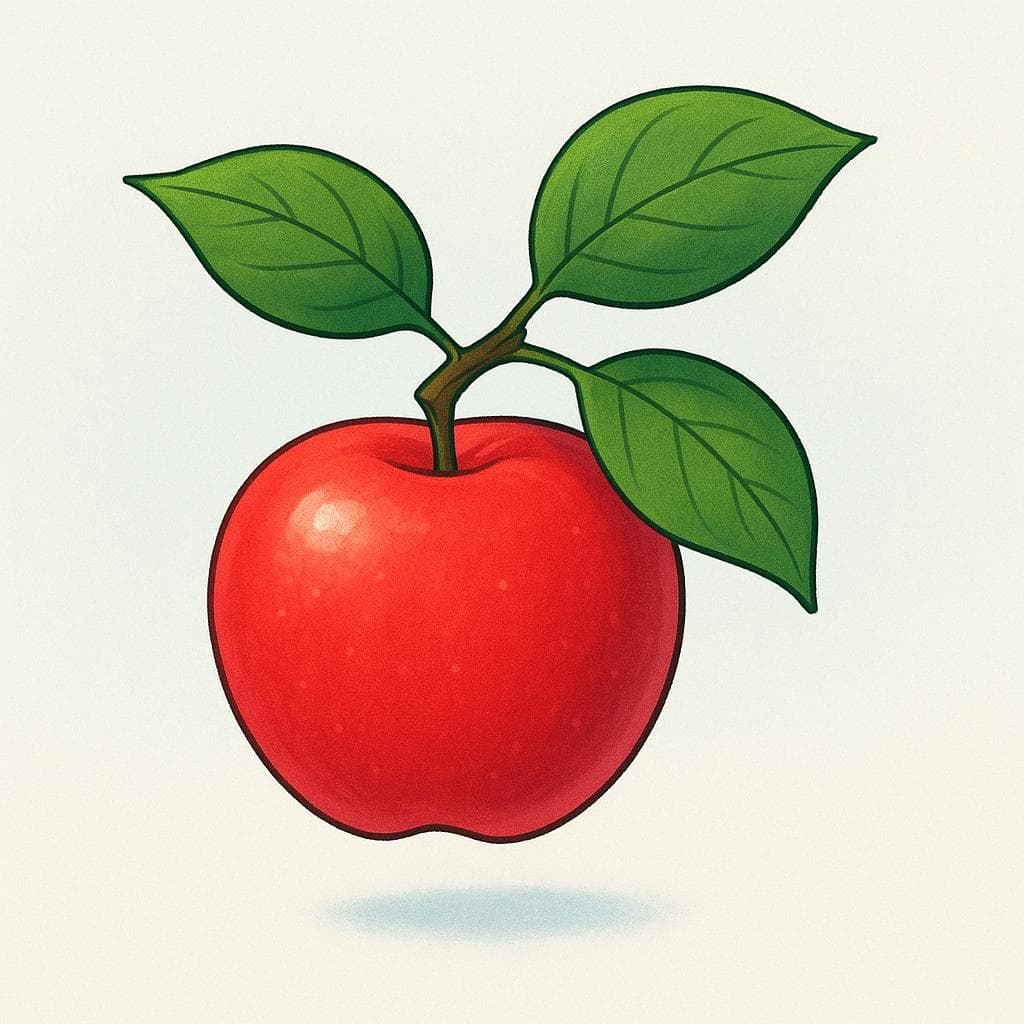
fruto
froo-tohˈfɾuto
Examples
El árbol dio su primer fruto después de tres años.
The tree produced its first fruit after three years.
Las nueces son un tipo de fruto seco muy saludable.
Walnuts are a very healthy type of dried fruit/nut.
El fruto protege las semillas en su interior.
The fruit protects the seeds inside.
Fruto vs. Fruta
Use 'fruto' for the biological part of a plant (anything with seeds, like a tomato or a nut). Use 'fruta' for the sweet food you eat for dessert (like an apple or a banana).
Always Masculine
This word is always masculine, so you must use 'el' or 'un' with it, regardless of what kind of plant you are talking about.
Ordering dessert
Mistake: “Quiero un fruto de postre.”
Correction: Quiero una fruta de postre. (Because you want the sweet food, not a botanical specimen!)
productos
proh-DOOK-tohspɾoˈðukt̪os
Examples
Los productos de la investigación fueron sorprendentes.
The results of the investigation were surprising.
Esos errores son los productos de una mala planificación.
Those mistakes are the consequences of poor planning.
El producto de su esfuerzo se notó en sus notas.
The result of his effort was noticeable in his grades. (Note: often used in singular 'producto' for this meaning)
Figurative Use
In this context, 'productos' acts like 'results' or 'outcomes.' It often follows a preposition like 'de' (of) to show what caused the result: 'los productos de la lluvia' (the results of the rain).
Confusing literal fruit with figurative results
Related Translations
Learn Spanish with Inklingo
Interactive stories, personalized learning, and more.