How to Say "produce" in Spanish
The most common Spanish word for “produce” is “productos” — use 'productos' when referring to general agricultural items or goods, especially when shopping or discussing food items in a broader sense.
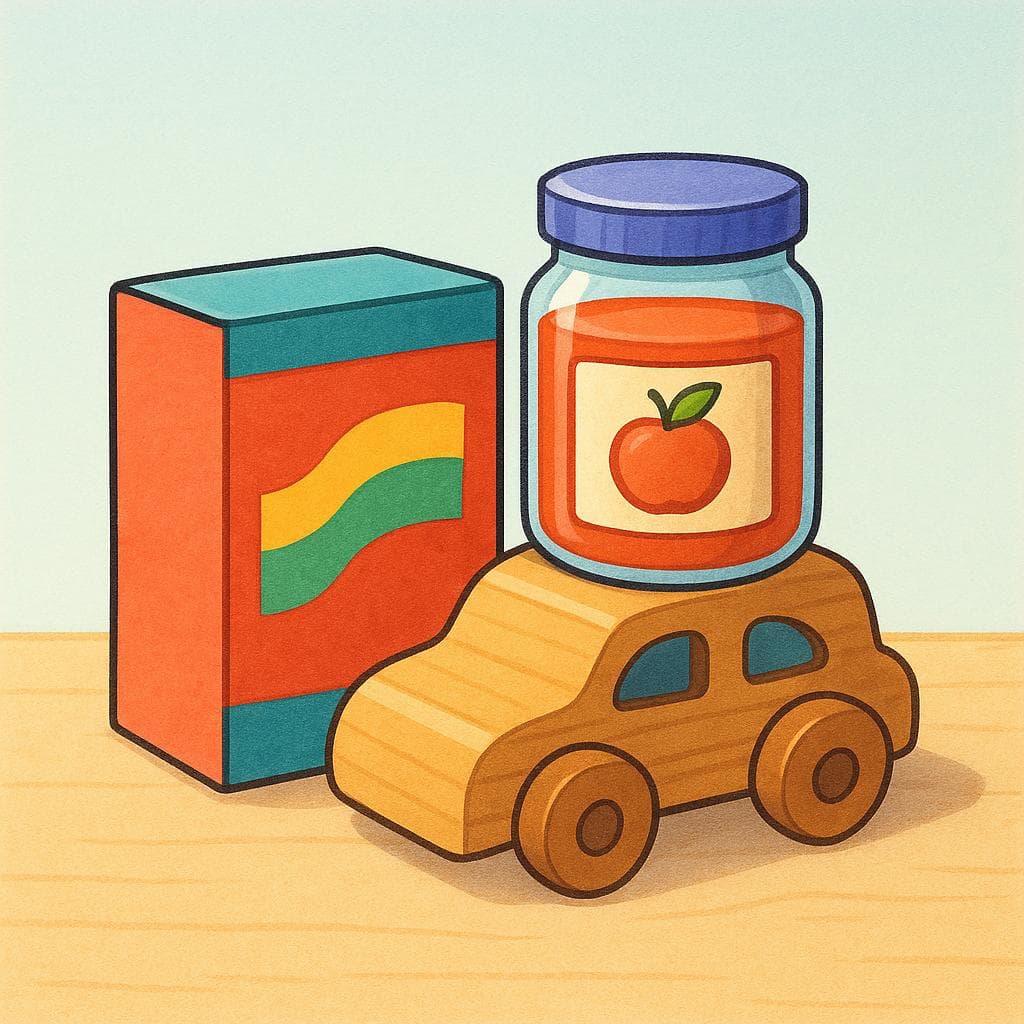

productos
proh-DOOK-tohspɾoˈðukt̪os
Examples
Necesitamos comprar productos frescos en el mercado.
We need to buy fresh produce at the market.
Esta tienda vende productos electrónicos de alta calidad.
This store sells high-quality electronic goods.
Todos los productos tienen una garantía de un año.
All the products have a one-year warranty.
Plural Noun Rule
Since 'productos' is plural (more than one), it must always be used with plural words that describe it, like 'los' (the) or 'unos' (some/a few), and any describing words (adjectives) must also end in -s, like 'frescos' (fresh).
Using the Singular Article
Mistake: “El productos es caro.”
Correction: Los productos son caros. (The products are expensive.) Remember to match the word for 'the' (el/los) to the noun.
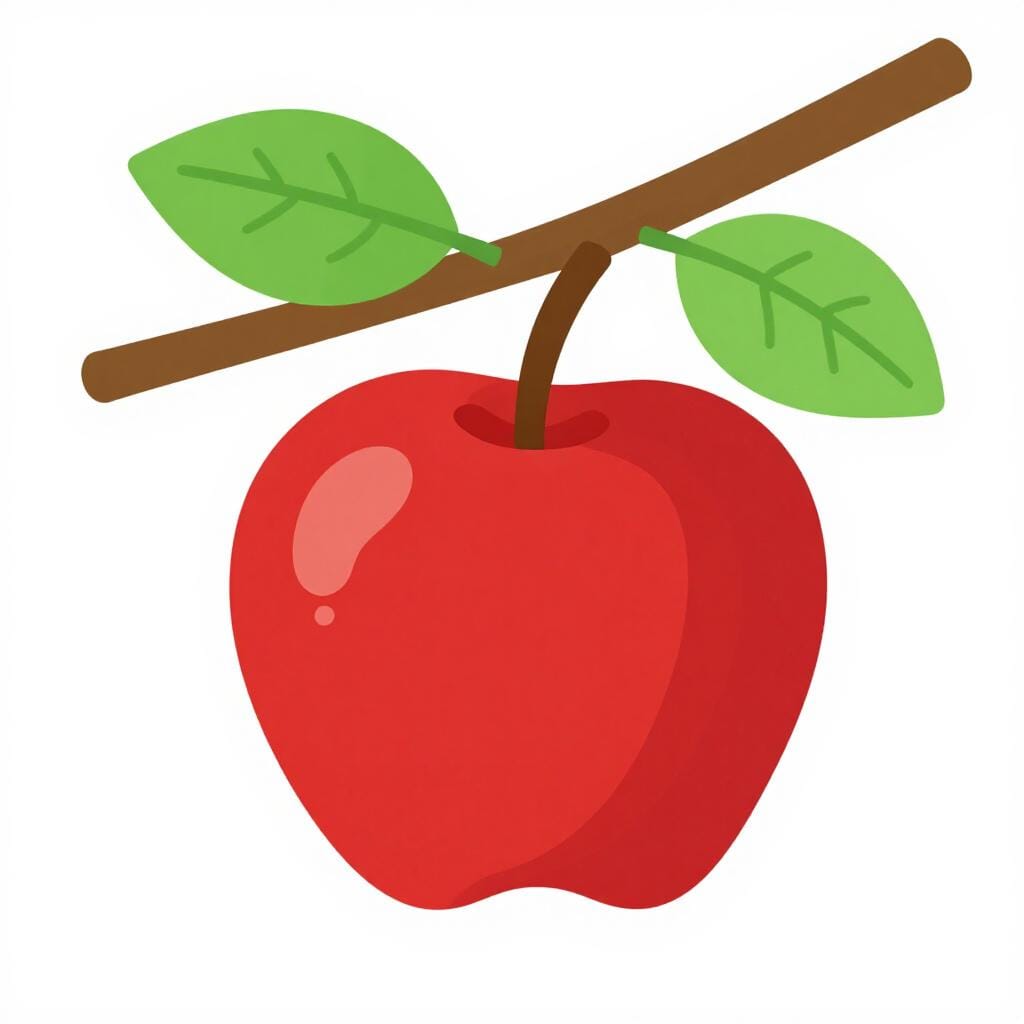
fruto
froo-tohˈfɾuto
Examples
El árbol dio su primer fruto después de tres años.
The tree produced its first fruit after three years.
Las nueces son un tipo de fruto seco muy saludable.
Walnuts are a very healthy type of dried fruit/nut.
El fruto protege las semillas en su interior.
The fruit protects the seeds inside.
Fruto vs. Fruta
Use 'fruto' for the biological part of a plant (anything with seeds, like a tomato or a nut). Use 'fruta' for the sweet food you eat for dessert (like an apple or a banana).
Always Masculine
This word is always masculine, so you must use 'el' or 'un' with it, regardless of what kind of plant you are talking about.
Ordering dessert
Mistake: “Quiero un fruto de postre.”
Correction: Quiero una fruta de postre. (Because you want the sweet food, not a botanical specimen!)
General Goods vs. Plant Output
Related Translations
Learn Spanish with Inklingo
Interactive stories, personalized learning, and more.