How to Say "gauge" in Spanish
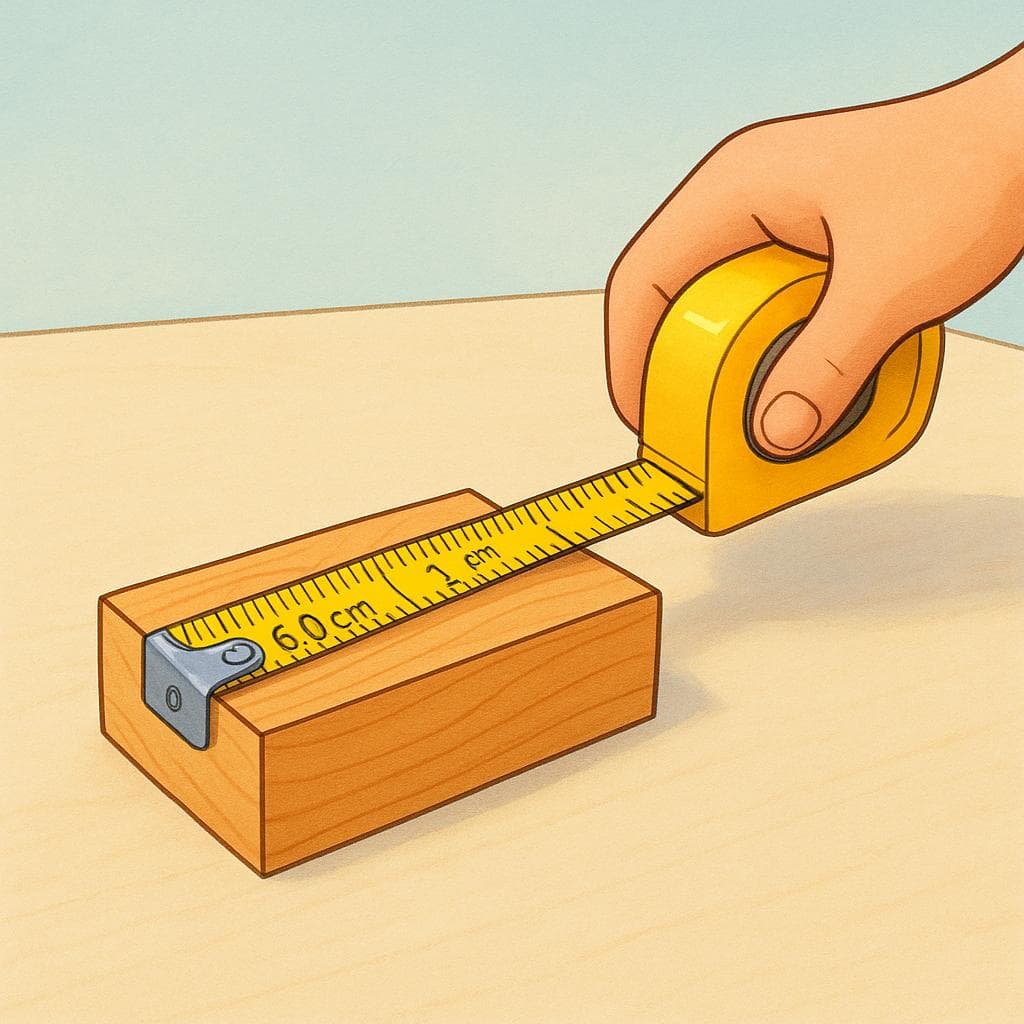
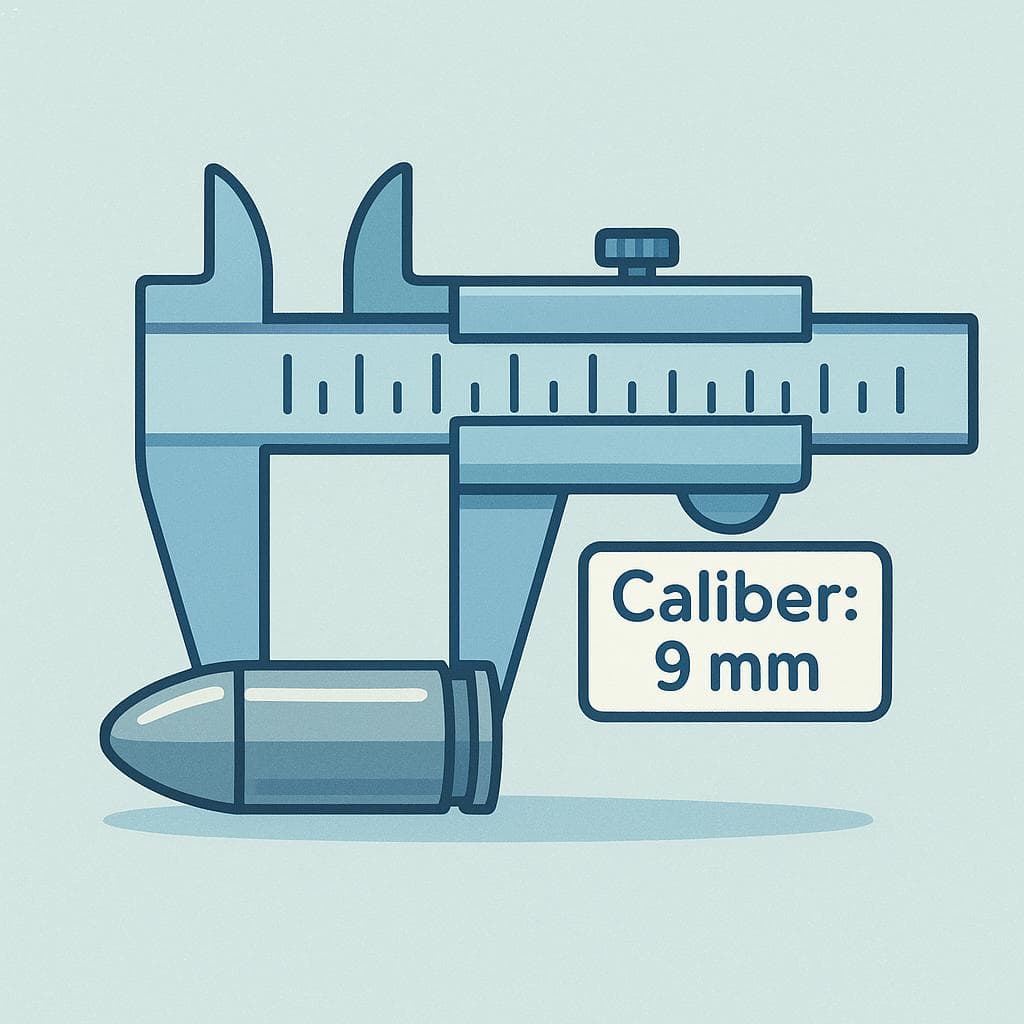
The most common Spanish word for “gauge” is “medida” — use 'medida' when referring to a standard quantity or the act of measuring something, like taking dimensions before a purchase.

medida
meh-DEE-dahmeˈðiða
Examples
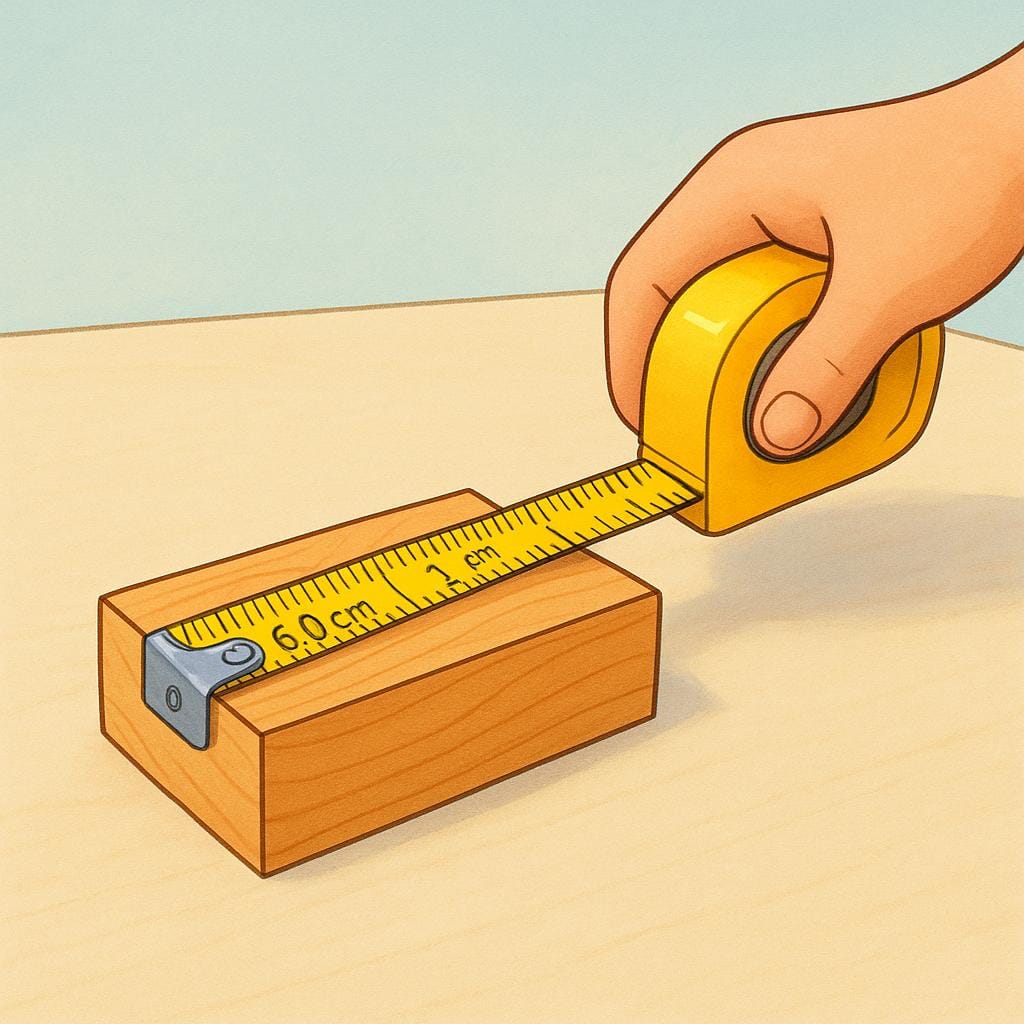
Necesito tomar las medidas exactas antes de comprar el sofá.
I need to take the exact measurements before buying the sofa.
¿Cuál es la medida de la piscina?
What is the size of the pool?
La costurera me tomó la medida de la cintura.
The seamstress took my waist measurement.
Gender Rule
As a feminine word, 'medida' always uses feminine words before it, like 'la' or 'una'.
calibre
kah-LEE-braykaˈli.βɾe
Examples
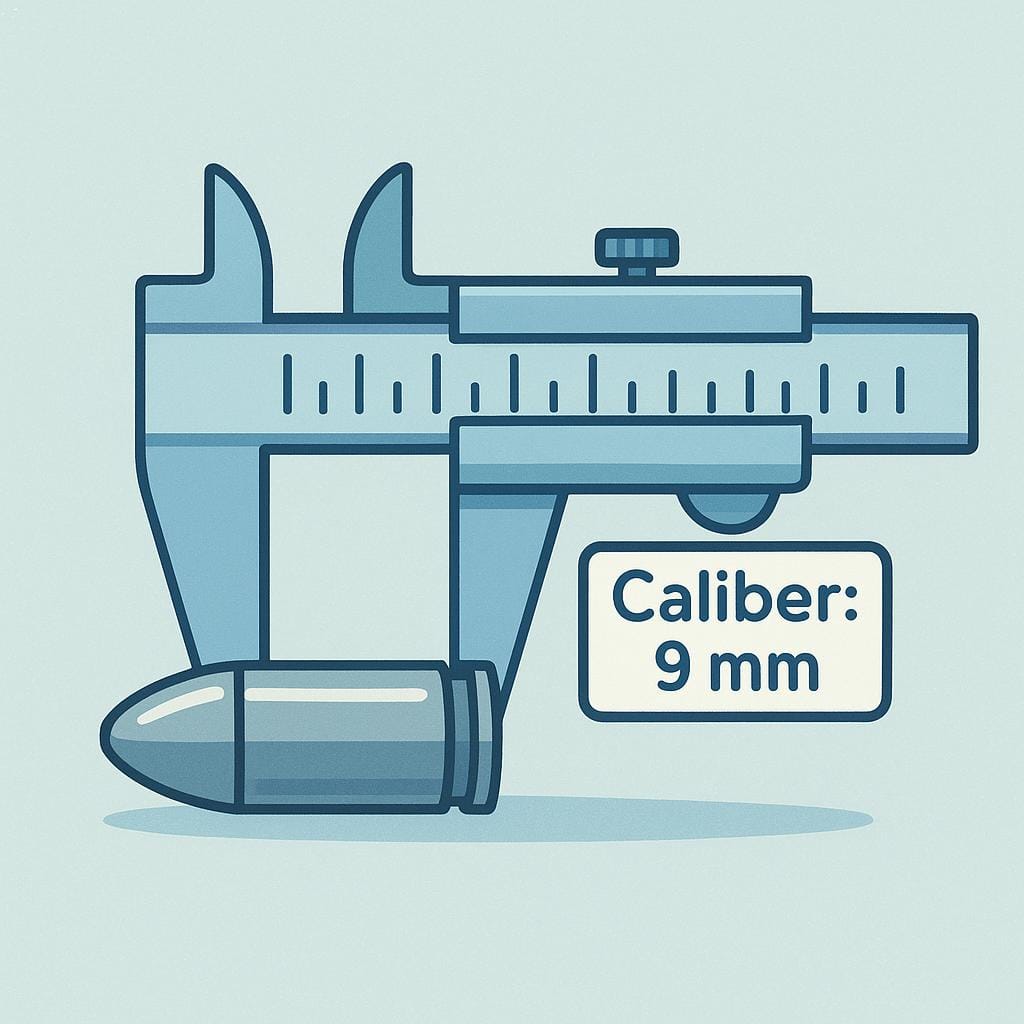
La policía encontró balas de calibre nueve milímetros.
The police found nine-millimeter caliber bullets.
Necesitamos un cable de calibre más grueso para esta instalación eléctrica.
We need a thicker gauge wire for this electrical installation.
Always Masculine
Even though it ends in '-e', 'calibre' is always a masculine noun, so use 'el' or 'un' before it.
indicador
een-dee-kah-DORindikaˈðoɾ

Examples
El desempleo es un indicador económico muy importante.
Unemployment is a very important economic indicator.
El indicador de la temperatura está subiendo.
The temperature gauge is going up.
Tu sonrisa es un indicador de que estás feliz.
Your smile is a sign that you are happy.
The '-dor' Suffix
In Spanish, adding '-dor' to a verb root is like adding '-er' in English. Since 'indicar' means 'to indicate,' an 'indicador' is the thing that does the indicating.
Noun Gender
Even though it refers to abstract data or physical tools, this word is always masculine when used as a noun.
Indicator vs. Sign
Mistake: “Using 'indicador' for a street sign.”
Correction: Use 'señal' for road signs. Use 'indicador' for data, meters, or subtle clues.
Medida vs. Calibre
Related Translations
Learn Spanish with Inklingo
Interactive stories, personalized learning, and more.