How to Say "gesture" in Spanish
The most common Spanish word for “gesture” is “gesto” — use 'gesto' for a physical movement of your body, especially your hands or face, to express something.

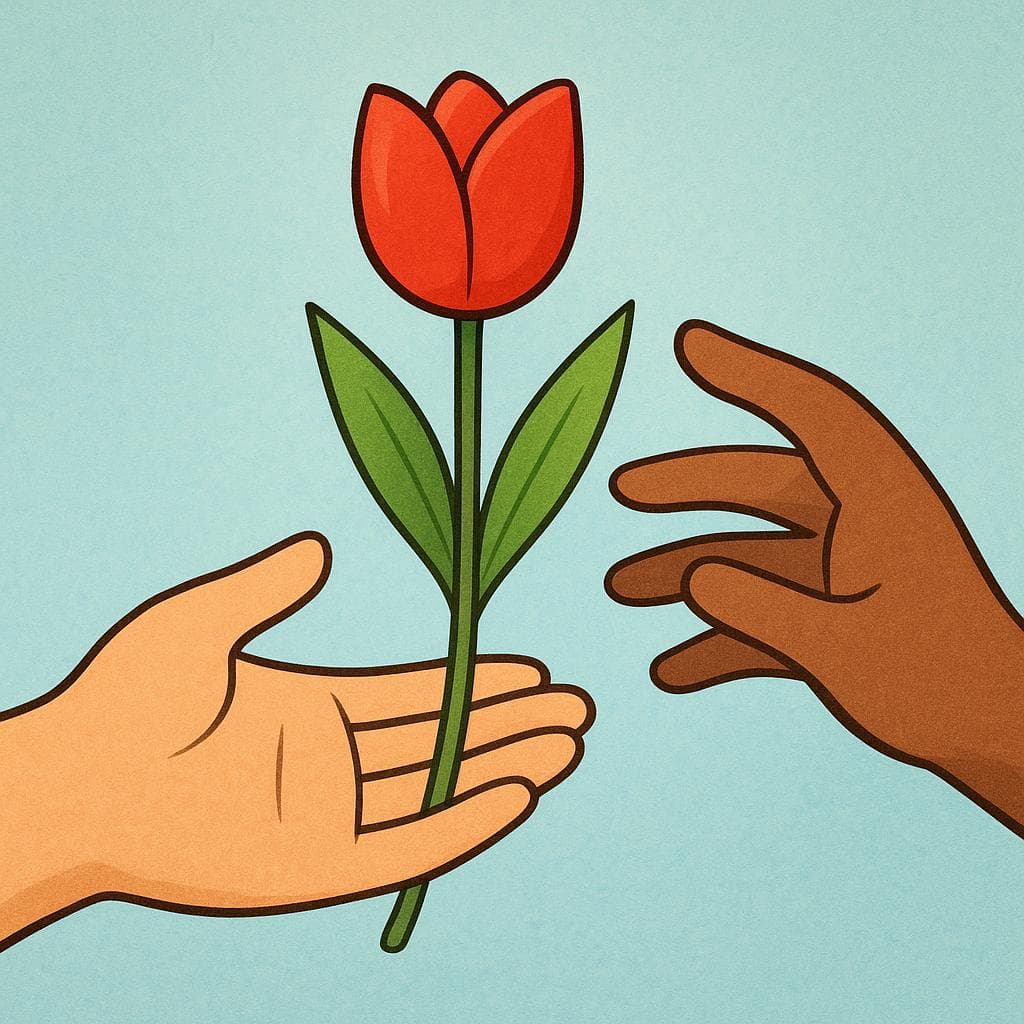
gesto
HES-tohˈxes.to

Examples
Hizo un gesto de dolor al tocarse la rodilla.
He made a gesture of pain when he touched his knee.
Con un gesto, el camarero nos indicó que la mesa estaba lista.
With a gesture, the waiter indicated to us that the table was ready.
Su gesto de sorpresa era tan cómico que todos reímos.
His expression of surprise was so comical that we all laughed.
Masculine Noun Rule
Remember that 'gesto' is always a masculine noun, so you use 'el' or 'un' before it: 'el gesto' (the gesture).
Pronouncing the 'G'
Mistake: “Pronouncing the 'g' like the English 'g' in 'go' ('ges-toh').”
Correction: The correct sound is the strong Spanish 'j' sound, like the English 'h' in 'hello' ('HES-toh').
seña
Examples
Mi amigo me hizo una seña desde lejos.
My friend signaled to me from a distance.
señal
Examples
El director de orquesta dio la señal para empezar.
The conductor gave the signal to begin.
detalle
deh-TAH-yehdeˈtaʎe
Examples
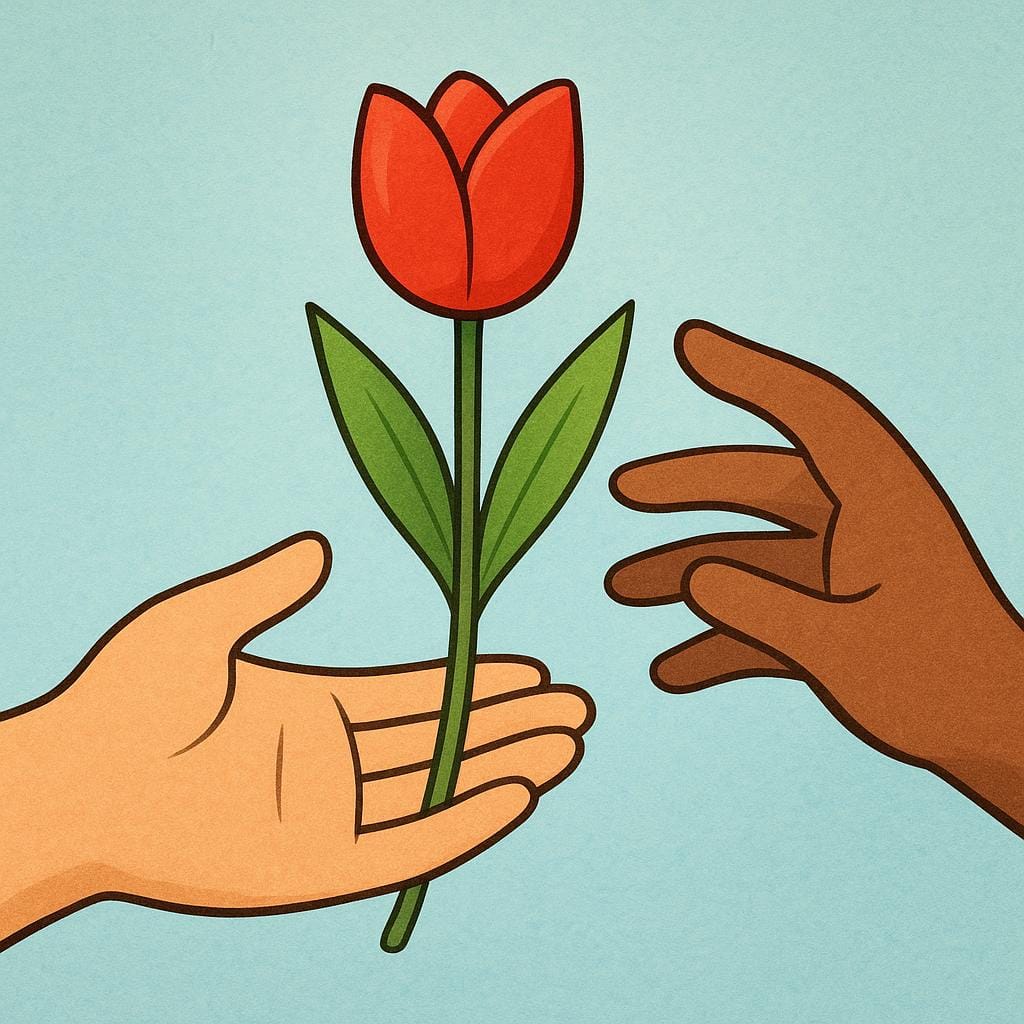
Tuvo un bonito detalle al traerme flores.
He made a lovely gesture by bringing me flowers.
Es un detalle, no tenías que molestarte.
It's just a small treat, you didn't have to bother.
Valoramos mucho esos pequeños detalles de hospitalidad.
We really value those little acts of hospitality.
Using 'Tener' with Detalle
Use the verb 'tener' (to have) with 'detalle' to express that someone performed a thoughtful act: 'Tuvo un detalle conmigo' (He had a thoughtful act with me = He did something nice for me).
Distinguishing Gestures from Kind Acts
Learn Spanish with Inklingo
Interactive stories, personalized learning, and more.