How to Say "gliding" in Spanish
The most common Spanish word for “gliding” is “volando” — use this word for any smooth, forward movement through the air, especially when referring to aircraft or birds in general flight.

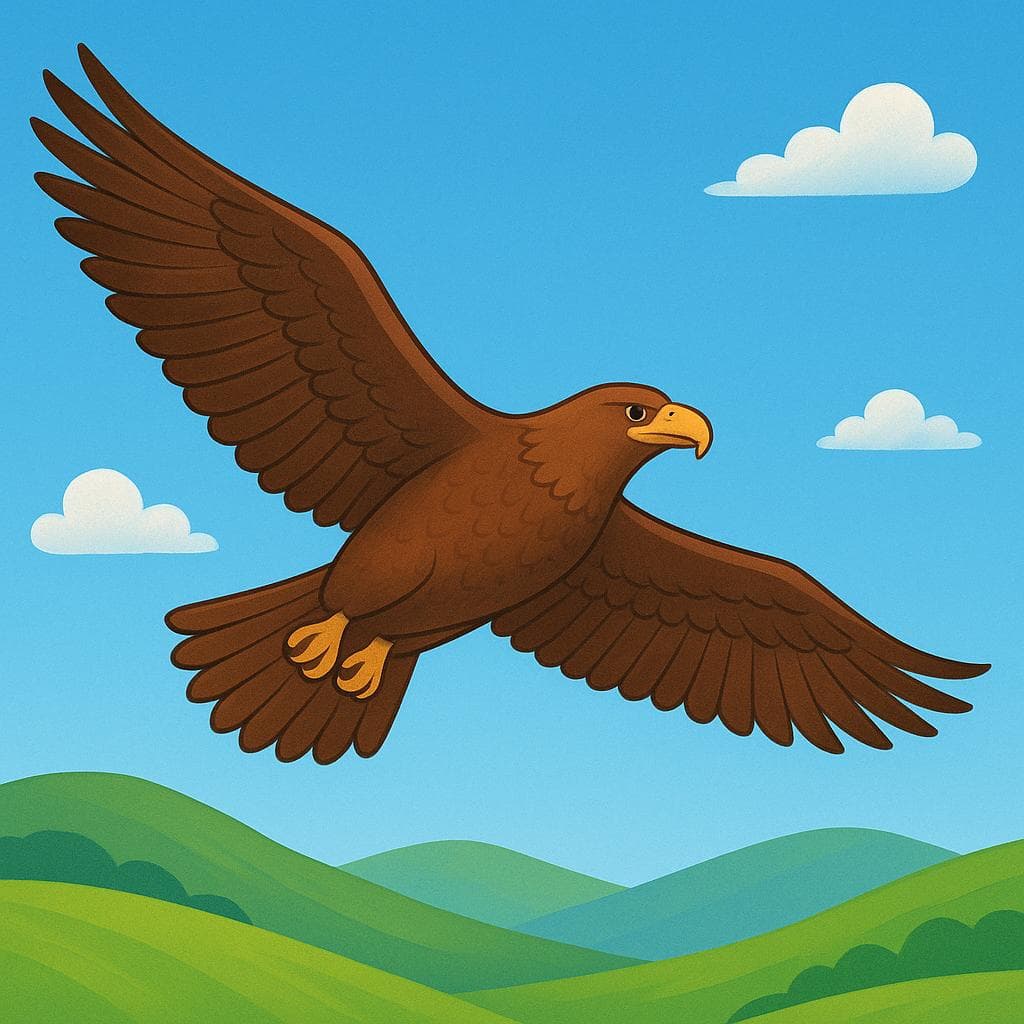
volando
voh-LAHN-dohboˈlan.do

Examples
El avión está volando sobre las montañas.
The plane is flying over the mountains.
Estuvimos volando por diez horas hasta llegar a Madrid.
We were flying for ten hours until we arrived in Madrid.
The Gerund Form
'Volando' is the '-ando' form, which is Spanish's equivalent to the English '-ing' form. It describes an action that is currently happening.
Progressive Tenses
You combine 'volando' with a form of 'estar' (to be) to make progressive tenses, like 'está volando' (is flying) or 'estaba volando' (was flying).
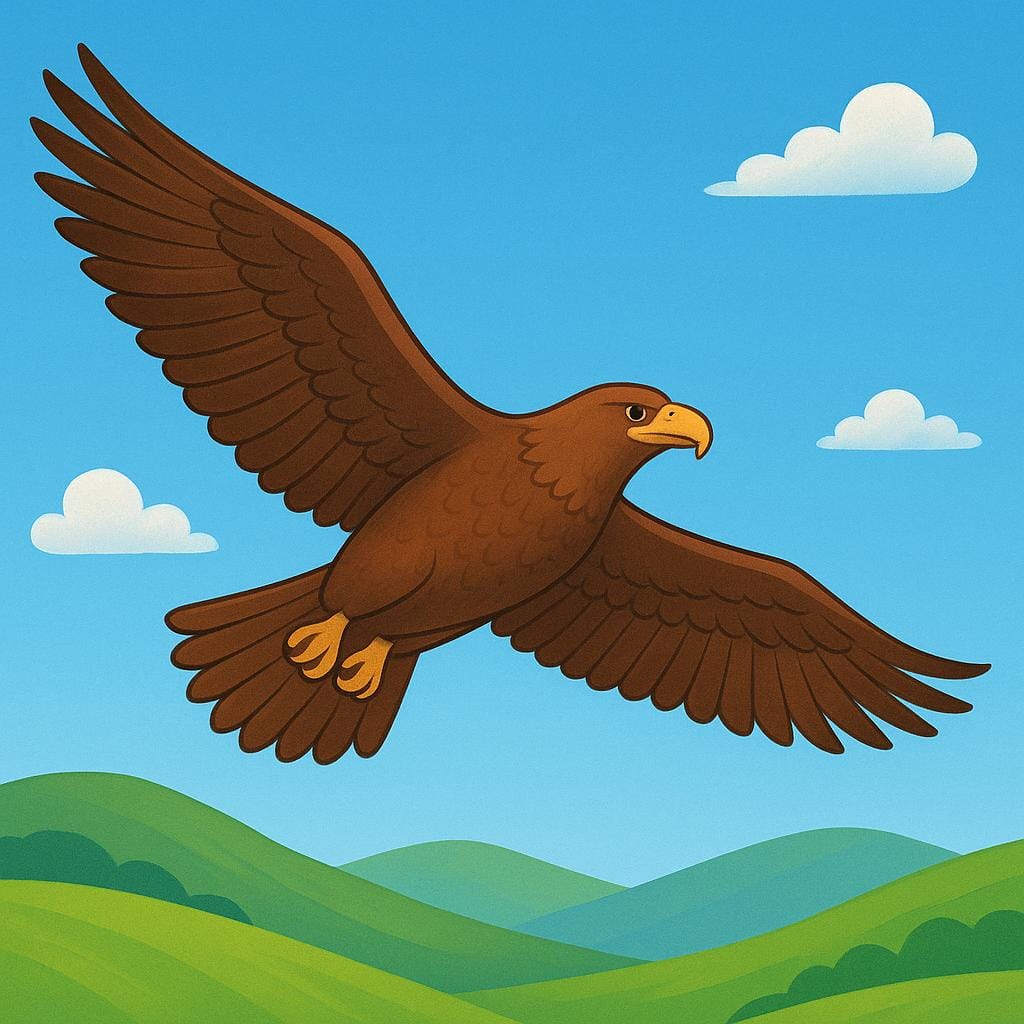
planeando
plah-neh-AHN-dohpla.neˈan.do
Examples
El águila estaba planeando sobre las montañas.
The eagle was gliding/soaring over the mountains.
Vimos un avión planeando antes de aterrizar.
We saw a plane gliding before landing.
Context is Key
When you see 'planeando' used with birds, wind, or aircraft, it refers to movement, not organization. The Spanish word covers both 'planning' and 'gliding'.
General Flight vs. Powerless Movement
Related Translations
Learn Spanish with Inklingo
Interactive stories, personalized learning, and more.