How to Say "godfather" in Spanish
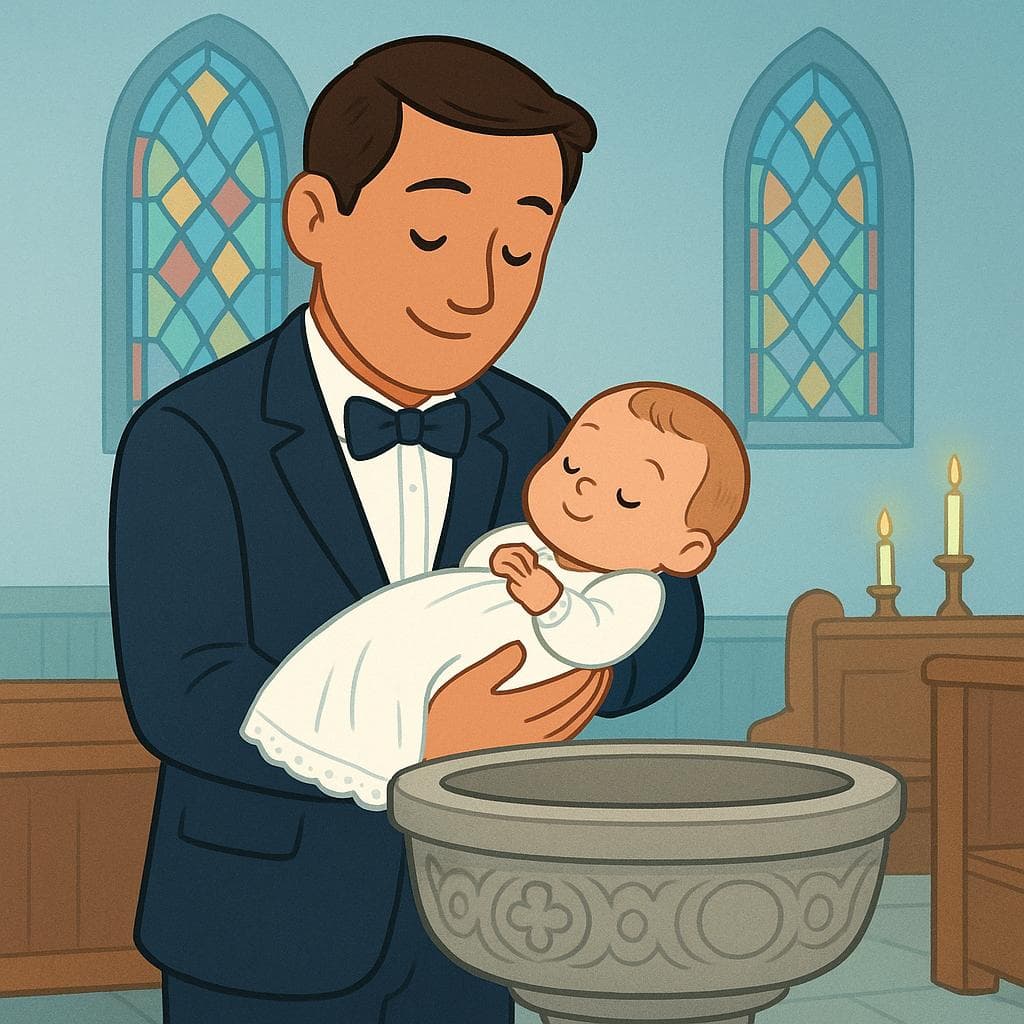
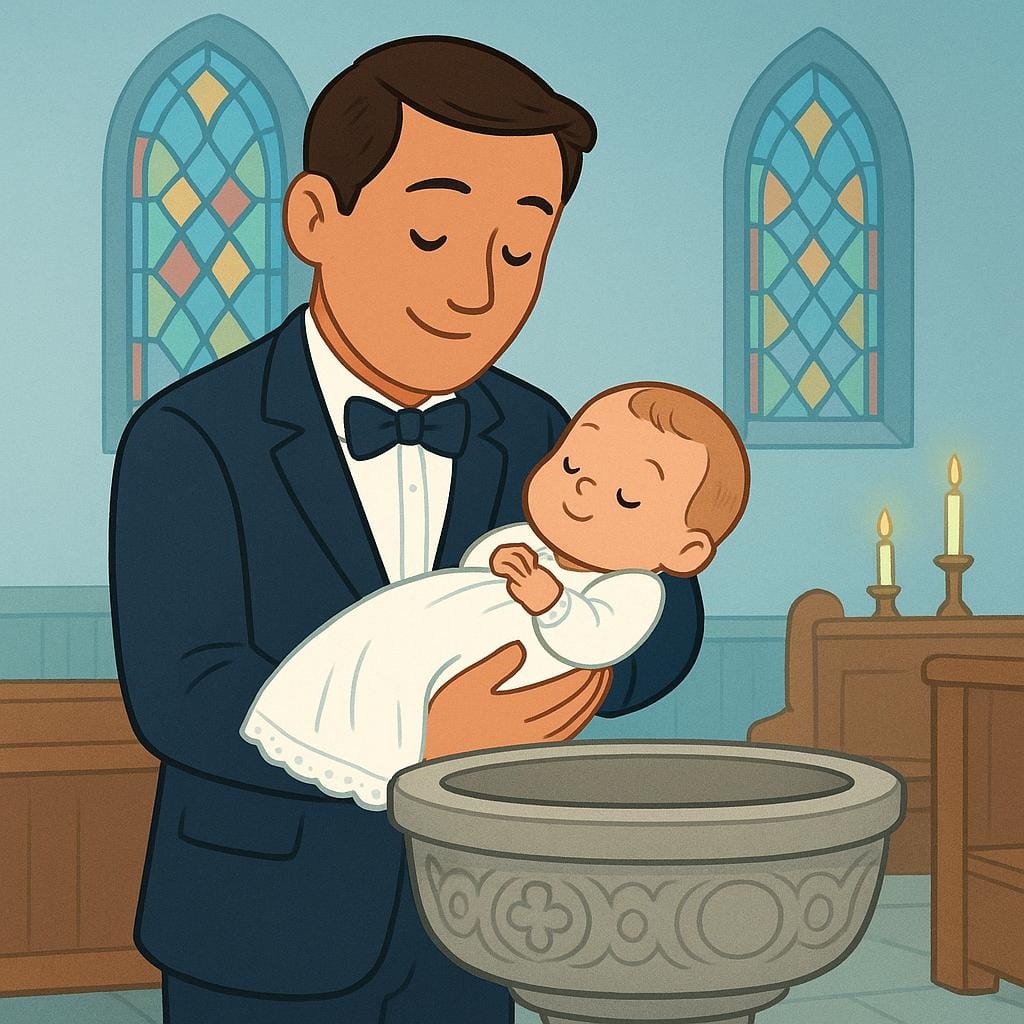
The most common Spanish word for “godfather” is “padrino” — use 'padrino' when referring to the godfather in a religious ceremony, such as baptism or confirmation.

pah-DREE-nohpaˈðɾino
Examples
Mi padrino de bautizo es muy generoso.
My godfather (from my baptism) is very generous.
Fui el padrino de mi sobrina en su primera comunión.
I was my niece's sponsor for her first communion.
Gender Pair
Remember that 'padrino' is the male godparent. The female equivalent, 'godmother,' is 'madrina'.
Confusing 'Godfather' and 'Father'
Mistake: “Using 'padrino' when you mean 'padre' (father).”
Correction: 'Padrino' is always the ceremonial or chosen protector, not the biological father ('padre').
kom-PAH-drehkomˈpaðɾe

Examples
Mi compadre Juan viene a la fiesta de mi hijo.
My son's godfather Juan is coming to the party.
¡Oye, compadre! ¿Cómo has estado?
Hey, buddy! How have you been?
Somos compadres desde que bauticé a su niña.
We've been 'compadres' since I baptized his little girl.
A Word of Relationship
This word describes a specific bond. It isn't just about your child; it's about the connection you have with the other adult. You are 'compadres' to each other.
Using it as a Title
In many cultures, you use 'compadre' almost like a title before a name or on its own when speaking directly to the person, similar to saying 'Sir' or 'Brother' but much more friendly.
Not for Women
Mistake: “Calling a woman 'compadre'.”
Correction: Use 'comadre' for women. 'Compadre' is strictly for men.
Padrino vs. Compadre Confusion
Learners often confuse 'padrino' and 'compadre'. Remember that 'padrino' is specifically for the religious role, while 'compadre' refers to the godfather in relation to the child and their parents, often used more casually.
Related Translations
Learn Spanish with Inklingo
Interactive stories, personalized learning, and more.