How to Say "handles" in Spanish
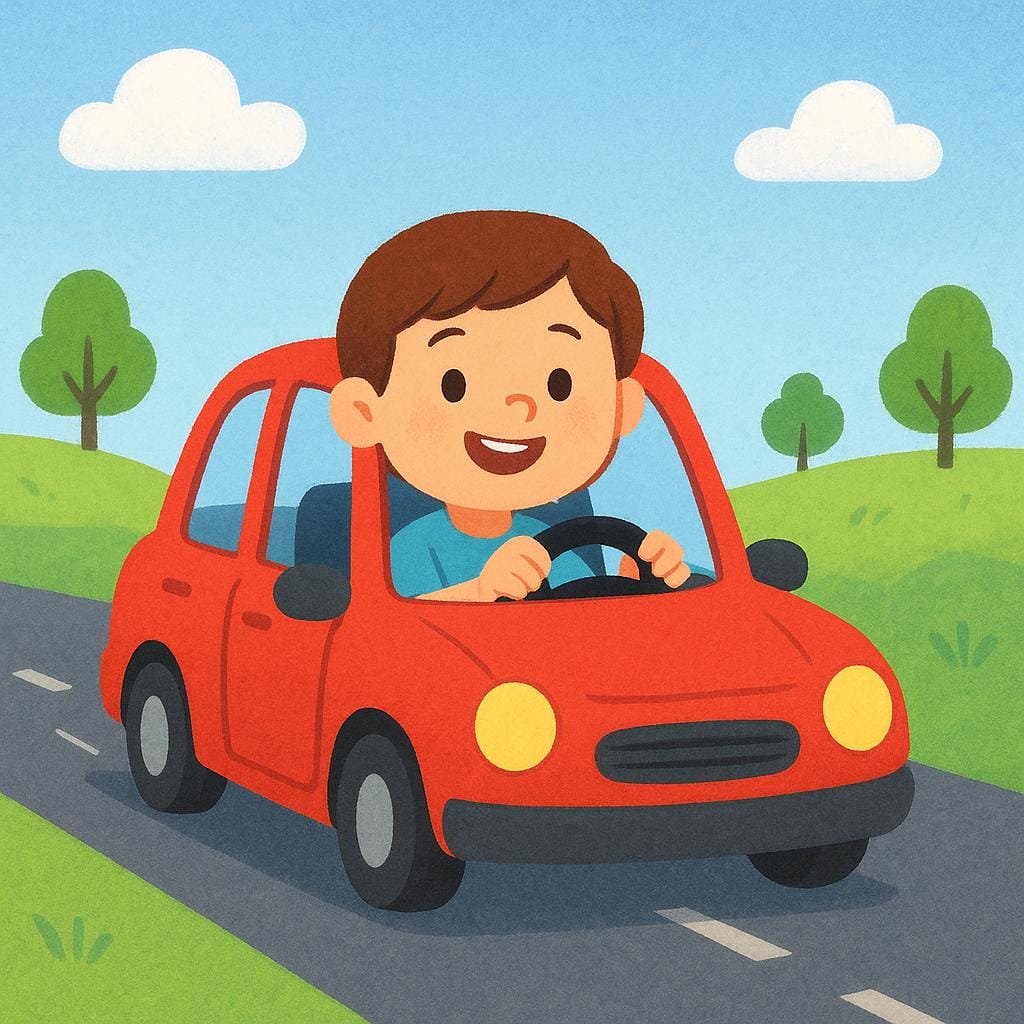
The most common Spanish word for “handles” is “maneja” — use 'maneja' when referring to the act of operating or controlling something, like driving a vehicle or managing a situation or budget.
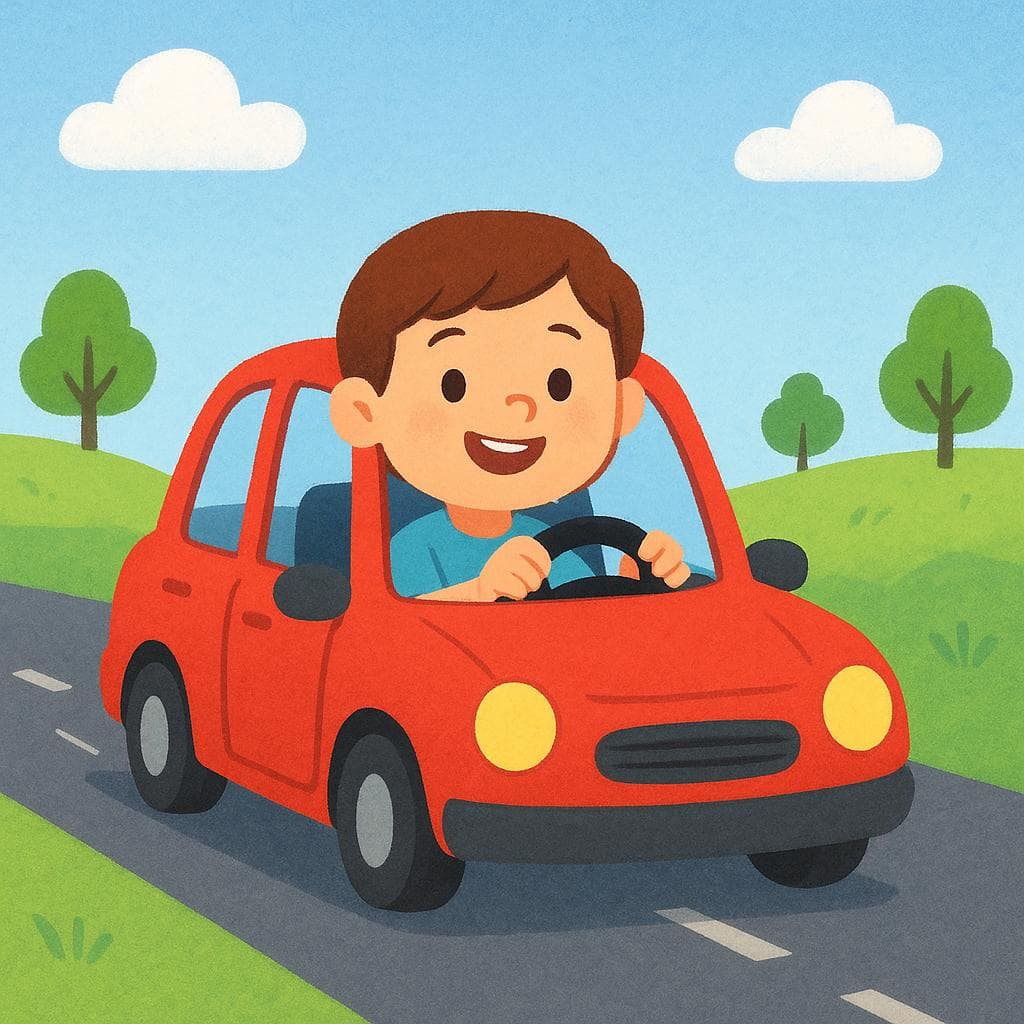
maneja
mah-NEH-hahmaˈne.xa
Examples
El conductor maneja el autobús con habilidad.
The driver handles the bus skillfully.
Mi padre maneja un camión muy grande.
My father drives a very big truck.
¿Usted maneja por la ciudad o prefiere el metro?
Do you (formal) drive through the city or prefer the subway?
Ella maneja con mucha precaución, es muy segura.
She drives with a lot of caution; she is very safe.
Dual Role of 'Maneja'
'Maneja' has two main uses: it describes what a single person (He/She/You formal) is doing right now, OR it serves as a polite command ('You formal, drive!').
Control and Skill
When 'maneja' is used this way, it often implies that the person or system has control, skill, or expertise over the situation or resource.
Using 'Maneja' for 'I drive'
Mistake: “Yo maneja”
Correction: The correct form for 'I' is 'Yo manejo'. Remember that -ar verbs always end in -o for the 'I' form.
orejas
oh-REH-hasoˈɾexas
Examples
Por favor, sujeta la jarra por las orejas.
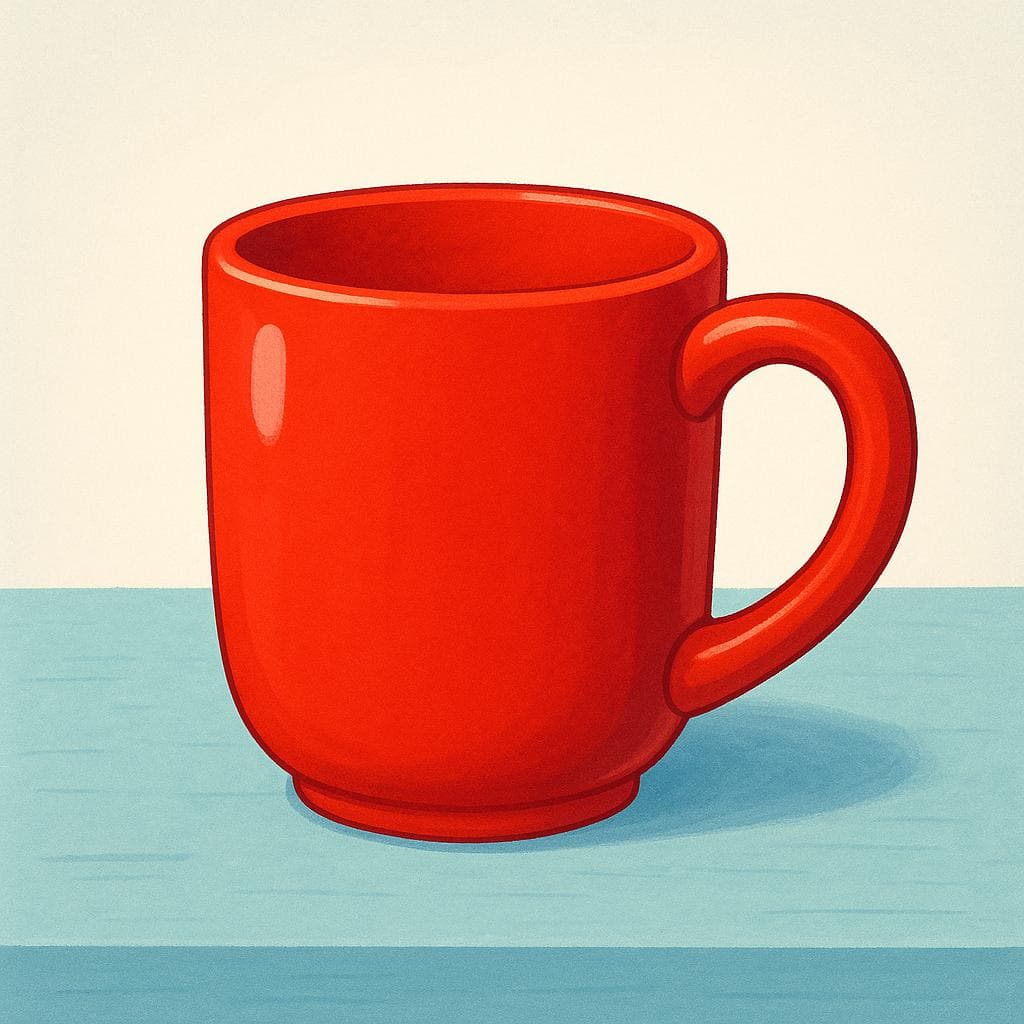
Please hold the jug by the handles.
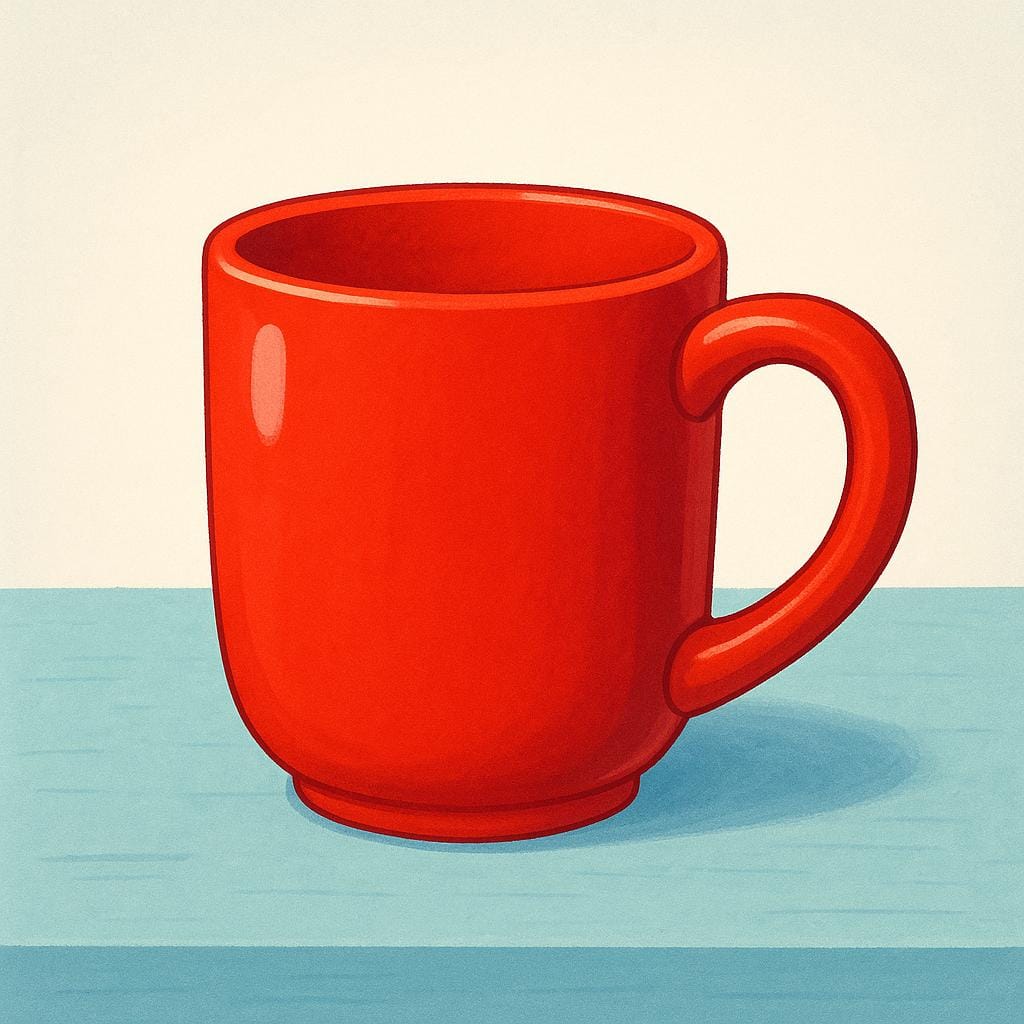
Esta taza de café tiene unas orejas muy pequeñas, es difícil sujetarla.
This coffee cup has very small handles; it's difficult to hold.
Le cosió unas orejas nuevas al bolso de cuero.
She sewed new handles onto the leather bag.
Figurative Plural
This meaning uses the plural 'orejas' most often when referring to objects that naturally have two handles, like a vase or a basket.
Verb vs. Noun Confusion
Learn Spanish with Inklingo
Interactive stories, personalized learning, and more.