How to Say "high school" in Spanish
The most common Spanish word for “high school” is “instituto” — use 'instituto' when referring to the specific secondary school building or institution, especially common in Spain for ages 12-18.

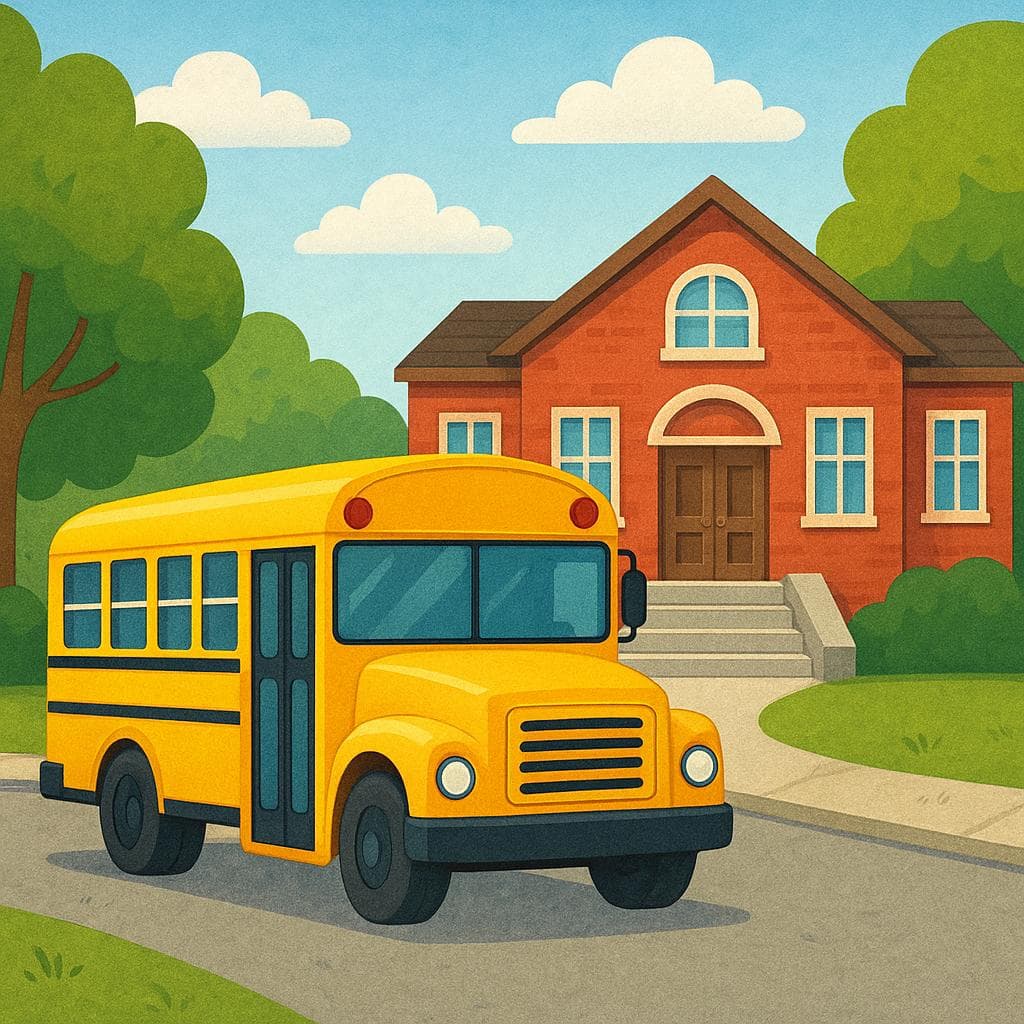

instituto
een-stee-TOO-tohinstiˈtuto

Examples
Mi hijo mayor terminó el instituto el año pasado.
My oldest son finished high school last year.
Hay un instituto nuevo en las afueras de la ciudad.
There is a new secondary school on the outskirts of the city.
Masculine Noun
Since 'instituto' ends in -o, it is a masculine word. Always use the masculine articles (el, un) and masculine adjectives with it.
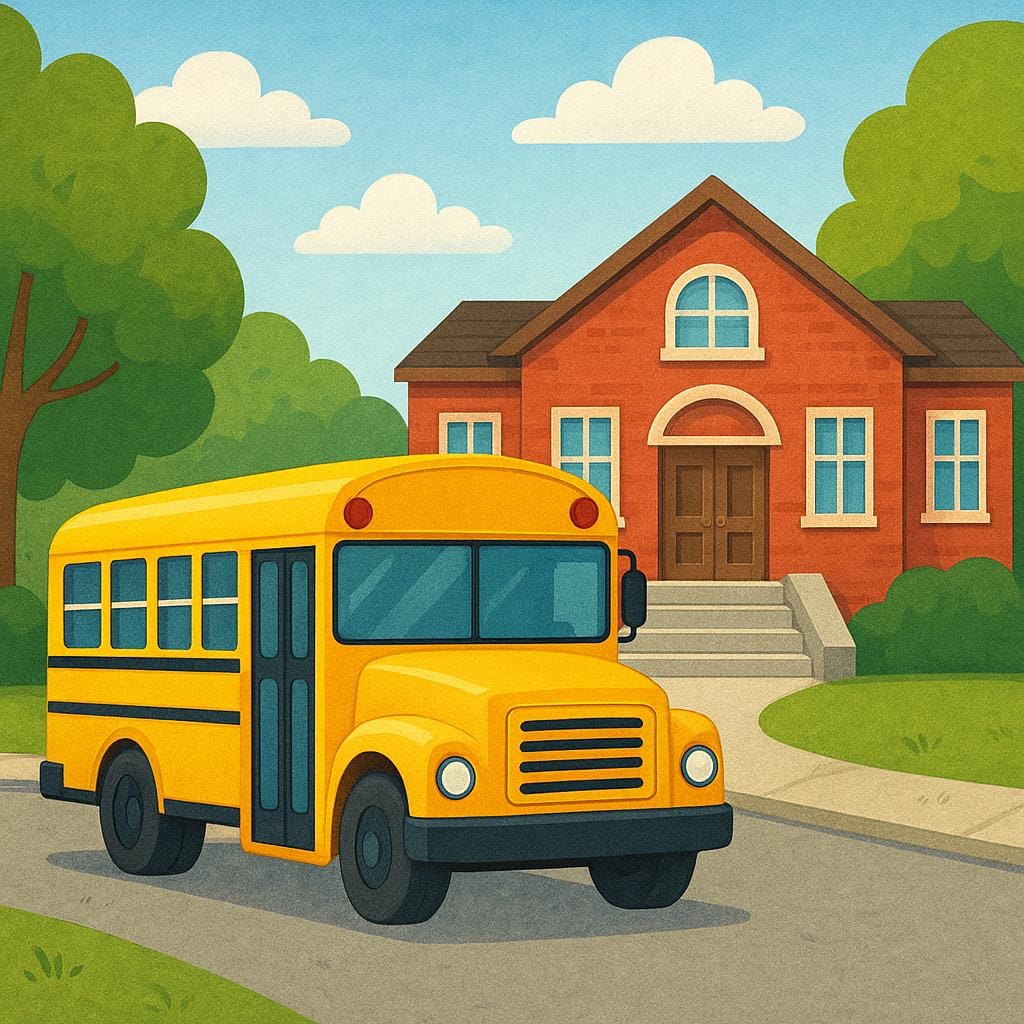
colegio
coh-LEH-heeohkoˈlexjo
Examples
Mi hijo empieza el colegio nuevo en septiembre.
My son starts the new school in September.
Fui al mismo colegio que mi padre.
I went to the same school as my father.
Ella es profesora en un colegio bilingüe.
She is a teacher in a bilingual school.
Gender and Articles
Since 'colegio' is masculine, always use the article 'el' before it: 'el colegio'. If you are talking about multiple schools, use 'los colegios'.
False Friend Alert: Not 'College'
Mistake: “Using 'colegio' to mean 'university' or 'college' (higher education).”
Correction: This is a 'false friend'. 'Colegio' means K-12 school. For higher education, use 'universidad' or 'facultad'.
secundario
seh-koon-DAH-ryohsekunˈdaɾjo

Examples
Mi hijo termina la educación secundaria este año.
My son finishes secondary education this year.
Ella es profesora de secundaria.
She is a high school teacher.
Los estudios secundarios son muy importantes.
Secondary studies are very important.
Using 'la secundaria' as a Noun
In many countries, people just say 'la secundaria' to mean the school building or that stage of life, without adding the word 'escuela'.
Institution vs. Level
Related Translations
Learn Spanish with Inklingo
Interactive stories, personalized learning, and more.