How to Say "honorable" in Spanish
The most common Spanish word for “honorable” is “honorable” — use 'honorable' when referring to someone or something generally worthy of respect, or in a formal context before a title like 'Judge' or 'Senator'.






honorable
oh-noh-RAH-bleho.noˈɾa.βle

Examples
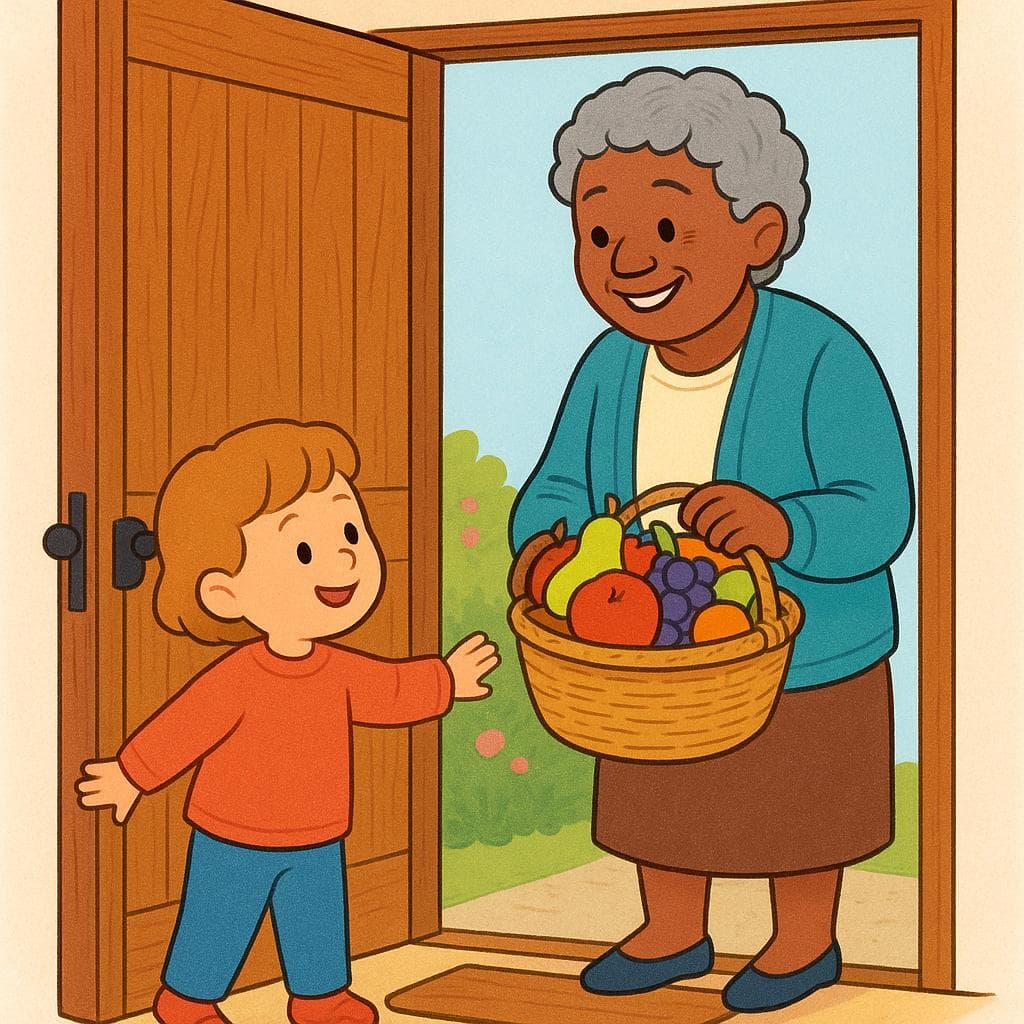
Mi abuelo siempre fue un hombre honorable en su comunidad.
My grandfather was always an honorable man in his community.
Tomaron la decisión más honorable, aunque fuera la más difícil.
They made the most honorable decision, even if it was the most difficult one.
La sesión fue presidida por el Honorable Juez de la Corte Suprema.
The session was chaired by the Honorable Supreme Court Judge.
Espero que la Honorable Cámara de Diputados apruebe la ley.
I hope the Honorable Chamber of Deputies approves the law.
Adjective Ending
Since 'honorable' ends in -e, it is the same for both masculine and feminine nouns (e.g., 'hombre honorable' and 'mujer honorable').
Capitalization in Titles
When used formally as part of a title, 'Honorable' is often capitalized in Spanish, just as in English.
False Cognate Misuse
Mistake: “Using 'honorable' to mean 'honorary' (like an honorary degree).”
Correction: Use 'honorario' for things like degrees or positions given as an honor, not 'honorable'. 'Honorable' means 'worthy of respect'.
honrado
ohn-RAH-dohonˈraðo

Examples
Mi abuelo era un sastre honrado que siempre cobraba un precio justo.
My grandfather was an honest tailor who always charged a fair price.
Necesitamos políticos honrados que digan la verdad.
We need honorable politicians who tell the truth.
Ella es una mujer honrada, puedes confiar en ella.
She is an honest woman, you can trust her.
Changing Endings
Like most Spanish adjectives, 'honrado' changes its ending to match the person or thing it describes: 'honrada' (feminine singular), 'honrados' (masculine plural), and 'honradas' (feminine plural).
Confusing 'Honesto' and 'Honrado'
Mistake: “Using 'honesto' only, when 'honrado' might be better.”
Correction: 'Honrado' often carries a stronger sense of integrity and respectability, especially regarding business or public life, while 'honesto' focuses more on simple truthfulness.
respetable
rreh-speh-TAH-blehrespeˈtaβle

Examples
Es un profesor muy respetable en nuestra comunidad.
He is a very respectable teacher in our community.
Su opinión es perfectamente respetable, aunque no estemos de acuerdo.
Your opinion is perfectly respectable, even if we don't agree.
One Form for All
This word ends in -e, which means it doesn't change based on gender. You use 'respetable' for both men and women, and for both masculine and feminine objects.
Confusing 'Respectful' and 'Respectable'
Mistake: “Using 'respetable' to say someone shows respect to others.”
Correction: Use 'respetuoso' for someone who gives respect, and 'respetable' for someone who deserves respect.
decente
deh-SEHN-tehdeˈθen̪.te
Examples
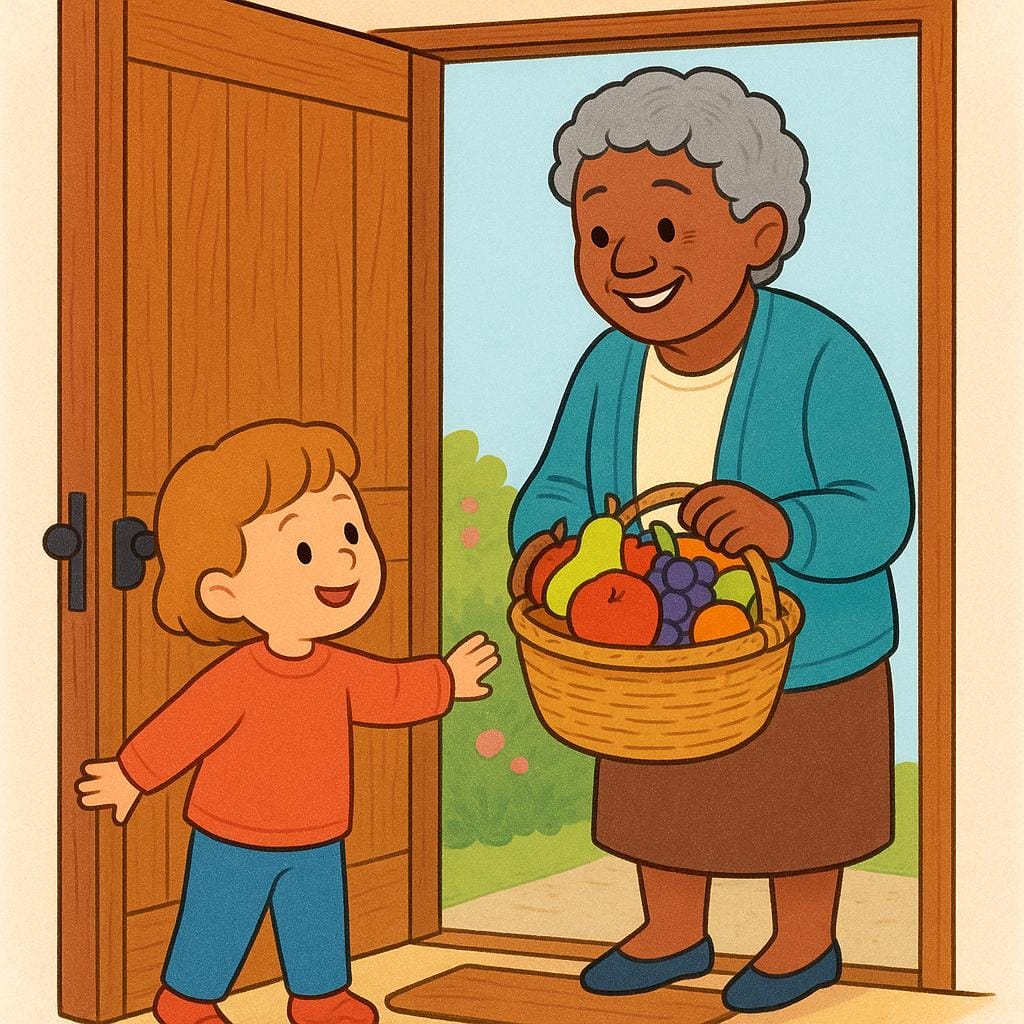
Mi abuelo siempre fue un hombre decente y honesto con todos.
My grandfather was always a respectable and honest man with everyone.
Ella se comporta de manera decente en público.
She behaves in a proper manner in public.
The False Friend Trap
Mistake: “Using 'decente' primarily to mean 'clean' or 'okay' when talking about moral character in a formal context (e.g., *'Ella es una persona decente,'* meaning 'She is okay').”
Correction: In formal contexts, remember 'decente' implies a strong moral quality: respectable, honorable. If you just mean 'okay,' use *'bien'* or *'agradable'*.
cabal
ka-BAHLkaˈβal

Examples
Mi abuelo siempre fue un hombre cabal y respetado por todos.
My grandfather was always an upright man and respected by everyone.
Necesitamos a alguien cabal para dirigir este proyecto tan importante.
We need someone sensible to lead this very important project.
Es una mujer cabal que nunca rompe sus promesas.
She is a woman of integrity who never breaks her promises.
One Form for All
This word is great because it doesn't change for masculine or feminine. You can say 'un hombre cabal' or 'una mujer cabal' without changing the ending.
Placement for Emphasis
While you usually put it after the noun, putting it before (like 'su cabal juicio') makes it sound very poetic and emphasizes the quality.
Don't confuse with 'Cable'
Mistake: “Using 'cabal' when you mean a television or electrical cable.”
Correction: Use 'cable' for wires. Use 'cabal' only to describe a person's character or something being complete.
digno
DEEG-nohˈdiɣno

Examples
Ella mantuvo una postura digna a pesar de la situación difícil.
She maintained a dignified stance despite the difficult situation.
Todos merecen un salario digno.
Everyone deserves a respectable/decent wage.
El director actuó de manera muy digna.
The director acted in a very honorable manner.
Describing Quality
In this sense, 'digno' describes an inherent quality or characteristic (like 'tall' or 'smart'), so it is almost always used with the verb 'ser' (to be) rather than 'estar'.
nobles
no-blessˈnoβles

Examples
Tienen corazones muy nobles.
They have very noble hearts.
Sus intenciones son nobles, aunque no lo parezca.
Their intentions are noble, even if it doesn't seem like it.
Proviene de una de las familias más nobles de la ciudad.
They come from one of the most noble families in the city.
One word for everyone
The word 'nobles' is used for both men and women. You don't need to change the ending to 'as' for a group of females; it always stays 'nobles'.
Making it plural
To talk about more than one 'noble' person, we simply add an 's' to the singular word 'noble'.
Don't change the ending
Mistake: “Las mujeres noblas.”
Correction: Las mujeres nobles.
Confusing general respect with specific integrity
Related Translations
Learn Spanish with Inklingo
Interactive stories, personalized learning, and more.