How to Say "i listen" in Spanish
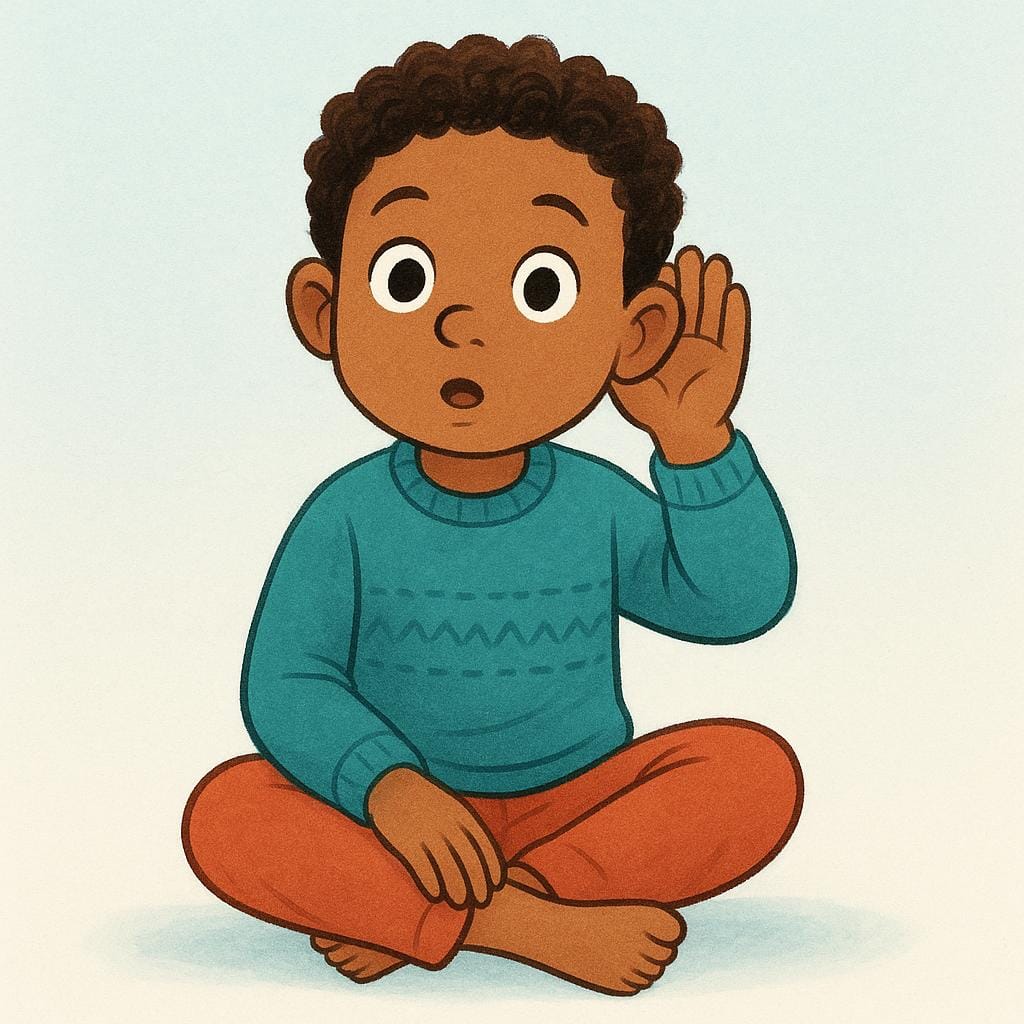
The most common Spanish word for “i listen” is “escucho” — use 'escucho' when describing the general, habitual act of listening or paying attention, often to something like music or a podcast.
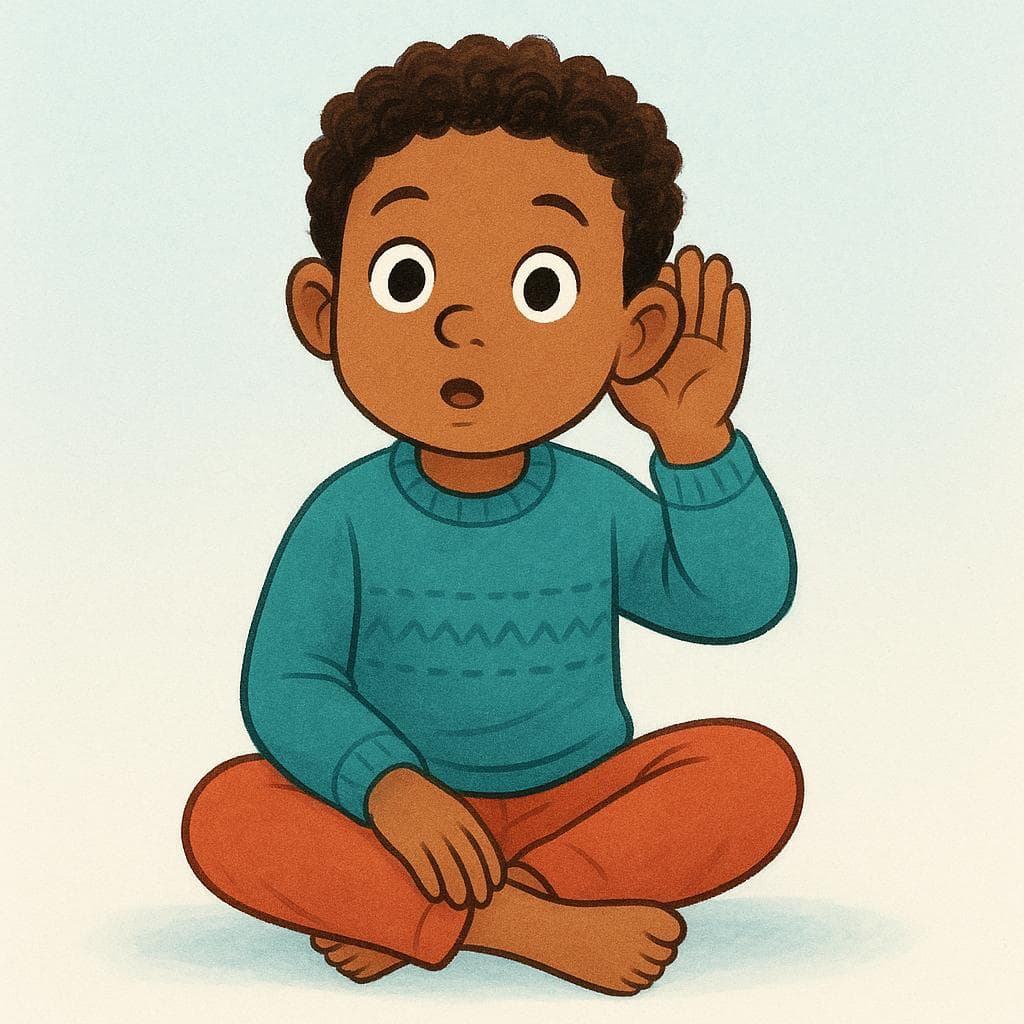
Use 'escucho' when describing the general, habitual act of listening or paying attention, often to something like music or a podcast.
Learn more →
Use 'escuche' when making a polite request or giving a gentle command, often in a formal context or when expressing a wish or possibility.
Learn more →ess-KOO-chohesˈku.tʃo
Examples
Siempre escucho música mientras trabajo.
I always listen to music while I work.
Escucho atentamente, dime qué pasó.
I am listening carefully, tell me what happened.
No te escucho bien, hay mucho ruido.
I don't hear you well, there is a lot of noise.
The 'Yo' Form
"Escucho" is how you talk about what you (I) do in the present moment, like "Yo escucho" (I listen). Unlike English, you often don't need to say the "Yo" because the verb ending tells us who is doing the action.
Present Tense Dual Meaning
This single form, 'escucho,' can mean both 'I listen' (habitually) and 'I am listening' (right now). Context tells you which one is correct.
Listening vs. Hearing
Mistake: “Using 'escucho' when you mean 'I hear' passively.”
Correction: Use 'oigo' (from 'oír') for passive hearing (e.g., 'oigo un ruido' - I hear a noise). Use 'escucho' only when you are actively paying attention (e.g., 'escucho la radio' - I listen to the radio).
ess-KOO-chayesˈku.tʃe

Examples
Escuche atentamente lo que le digo, por favor.
Listen carefully to what I am telling you, please.
No creo que mi hermana escuche ese tipo de música.
I don't think my sister listens to that kind of music.
¿Qué quiere usted que yo escuche?
What do you want me to listen to?
Formal Commands
The form 'escuche' is the polite, single-person instruction for 'usted' (the formal 'you'). It is the most common way you will use this word to tell someone to listen.
Expressing Wishes and Doubts
'Escuche' is also a special verb form (the Subjunctive) used in the second part of a sentence when the first part expresses desire, doubt, emotion, or necessity (e.g., 'Es importante que escuche...').
Mixing up the Commands
Mistake: “Tú, escuche mi voz.”
Correction: Tú, escucha mi voz. (Use 'escucha' for informal commands, or 'escuche' for formal commands to 'usted').
Active Listening vs. Polite Request
The most common mistake is using the formal 'escuche' (subjunctive) for everyday, active listening. Remember, 'escucho' is for when you are simply stating that you listen as a habit or ongoing action.
Related Translations
Learn Spanish with Inklingo
Interactive stories, personalized learning, and more.