How to Say "i quit" in Spanish
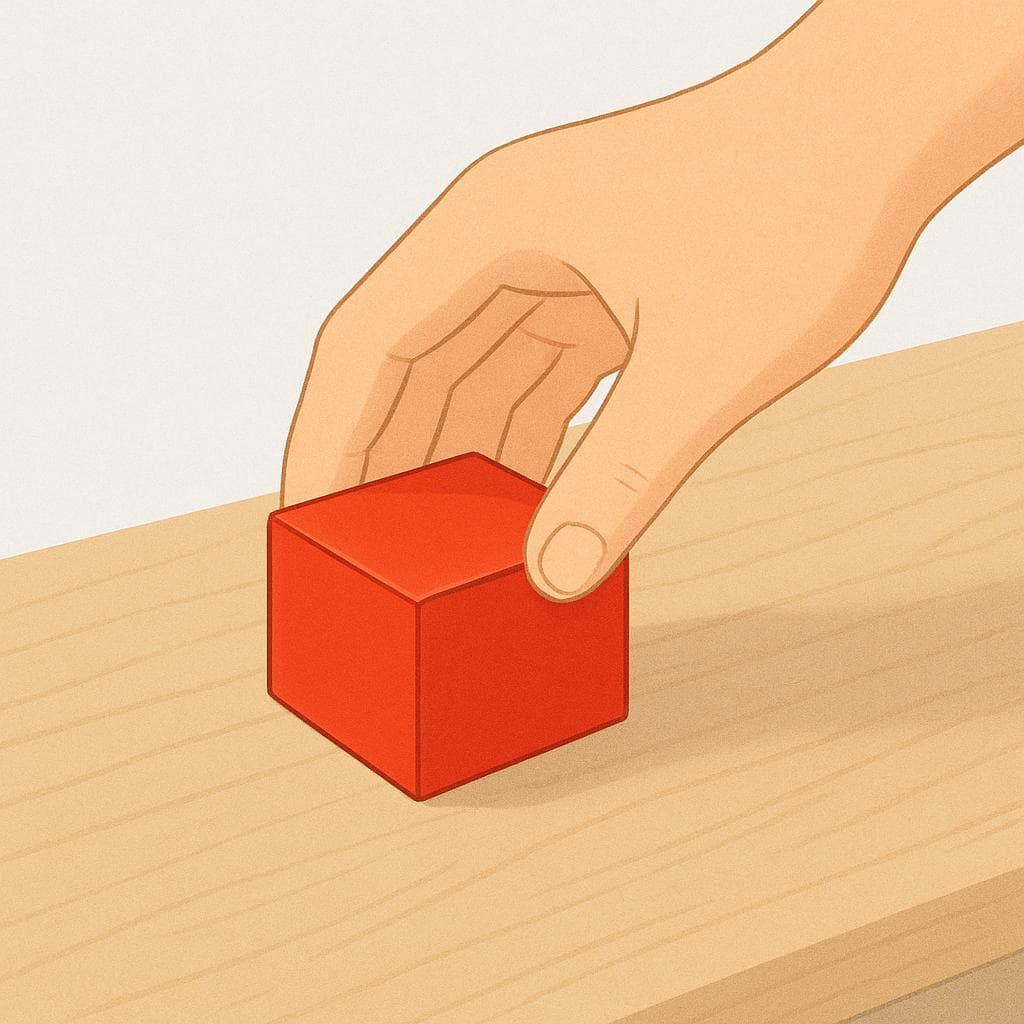
The most common Spanish word for “i quit” is “dejé” — use this past tense form when you have stopped a habit (like smoking) or left a job in the past.

dejé
Examples
Dejé de comer dulces hace un mes.
I quit eating sweets a month ago.
renuncio
reh-NOON-syohreˈnunsjo
Examples
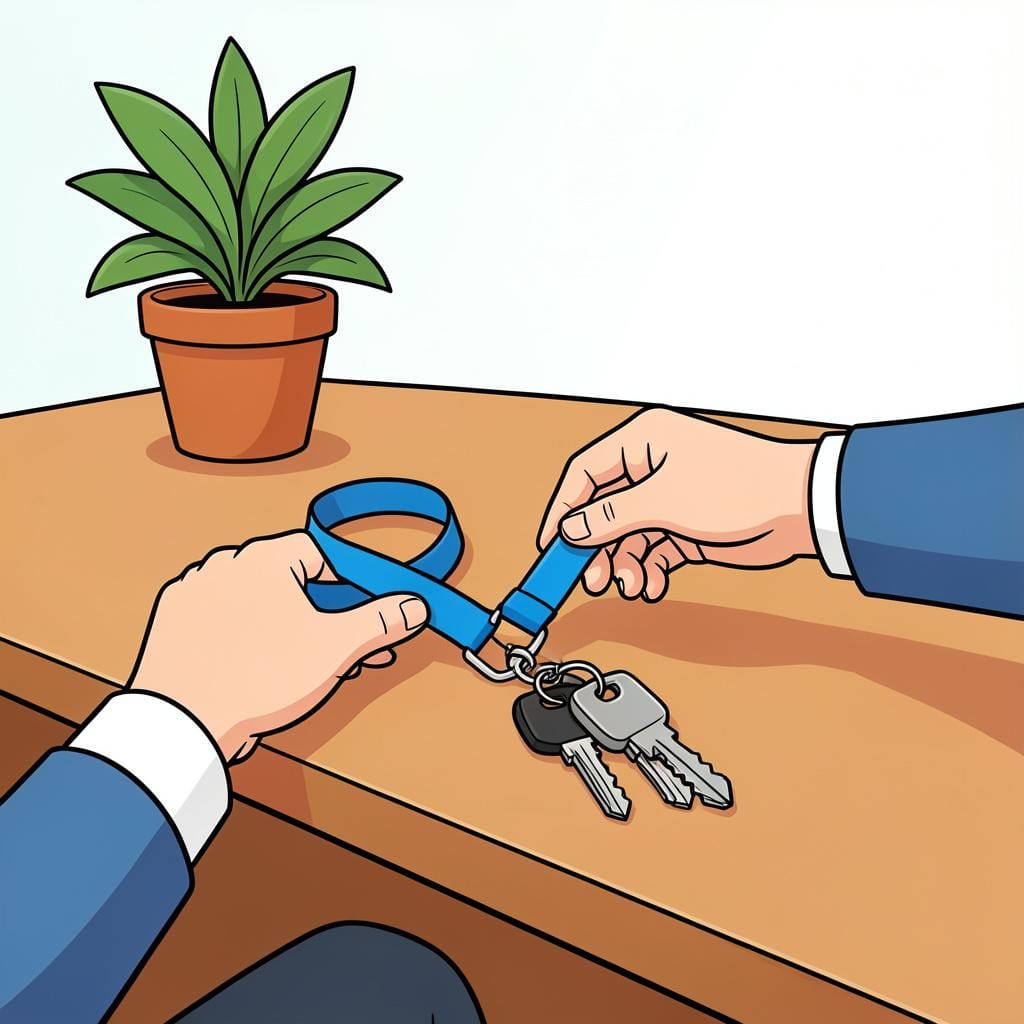
Si no me pagan, renuncio ahora mismo.
If they don't pay me, I quit right now.
Si las condiciones no mejoran, renuncio mañana mismo.
If conditions don't improve, I'm quitting tomorrow.
Renuncio a mi derecho a guardar silencio.
I waive my right to remain silent.
Yo renuncio a comer dulces por un mes.
I am giving up eating sweets for a month.
The 'A' Connection
In Spanish, when you quit something, you must follow the verb with the word 'a'. For example: 'Renuncio a mi trabajo' (I quit my job).
Missing 'A'
Mistake: “Renuncio mi puesto.”
Correction: Renuncio a mi puesto. In Spanish, you always resign 'to' something.
dejo
DEH-hohˈdexo
Examples
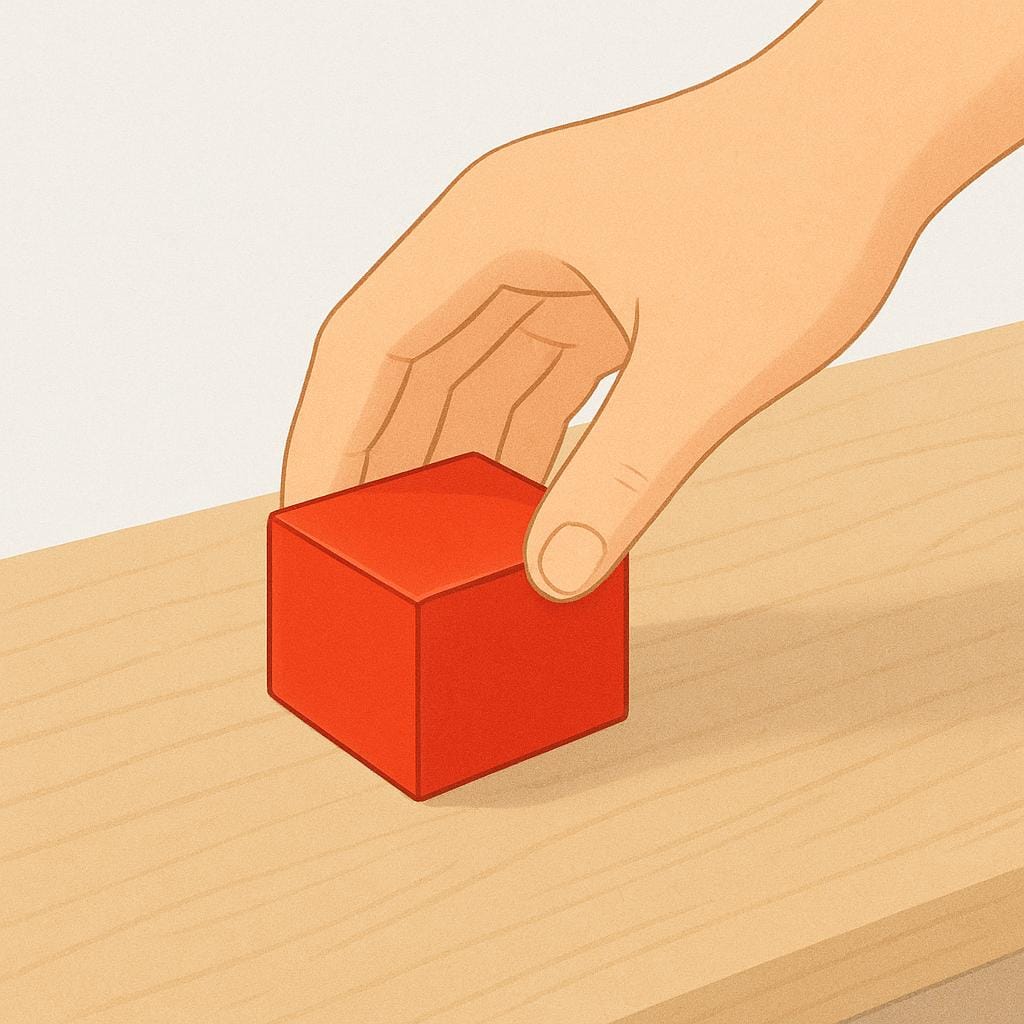
Dejo las llaves en la mesa.
I leave the keys on the table.
Siempre dejo mi bicicleta en el garaje.
I always leave my bicycle in the garage.
No dejo que nadie use mi teléfono.
I don't let anyone use my phone.
Dejo de fumar mañana, lo prometo.
I quit smoking tomorrow, I promise.
Stopping an Action
When you want to say 'I stop doing something,' you must use the structure 'dejo de' followed by the action verb in its base form: 'Dejo de correr' (I stop running).
'I allow' vs. 'I leave'
The meaning is usually clear from the context. If 'dejo' is followed by 'que' and a person, it means 'I let/I allow': 'Dejo que ellos salgan' (I let them go out).
Leaving a Place
Mistake: “Yo dejo la fiesta.”
Correction: When you mean 'I am leaving a place,' you should use 'irse' or 'salir': 'Yo salgo de la fiesta' (I leave the party). Use 'dejar' for objects.
Confusing 'dejé' and 'renuncio'
Related Translations
Learn Spanish with Inklingo
Interactive stories, personalized learning, and more.