How to Say "identical" in Spanish
The most common Spanish word for “identical” is “idéntico” — use 'idéntico' when you want to say that two things are exactly the same, often when making a direct comparison.
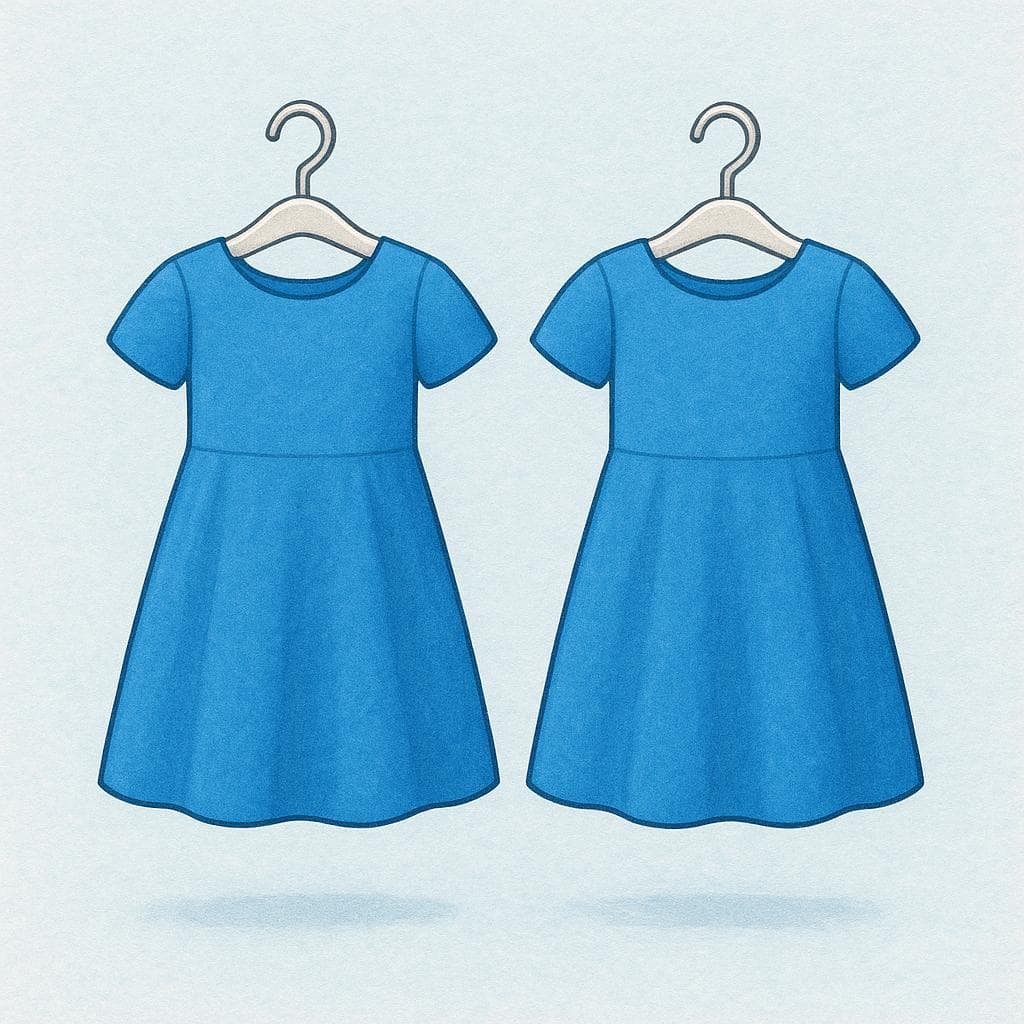



idéntico
Examples
Tengo un abrigo idéntico al tuyo.
I have a coat identical to yours.
mismas
MEE-smasˈmismas
Examples
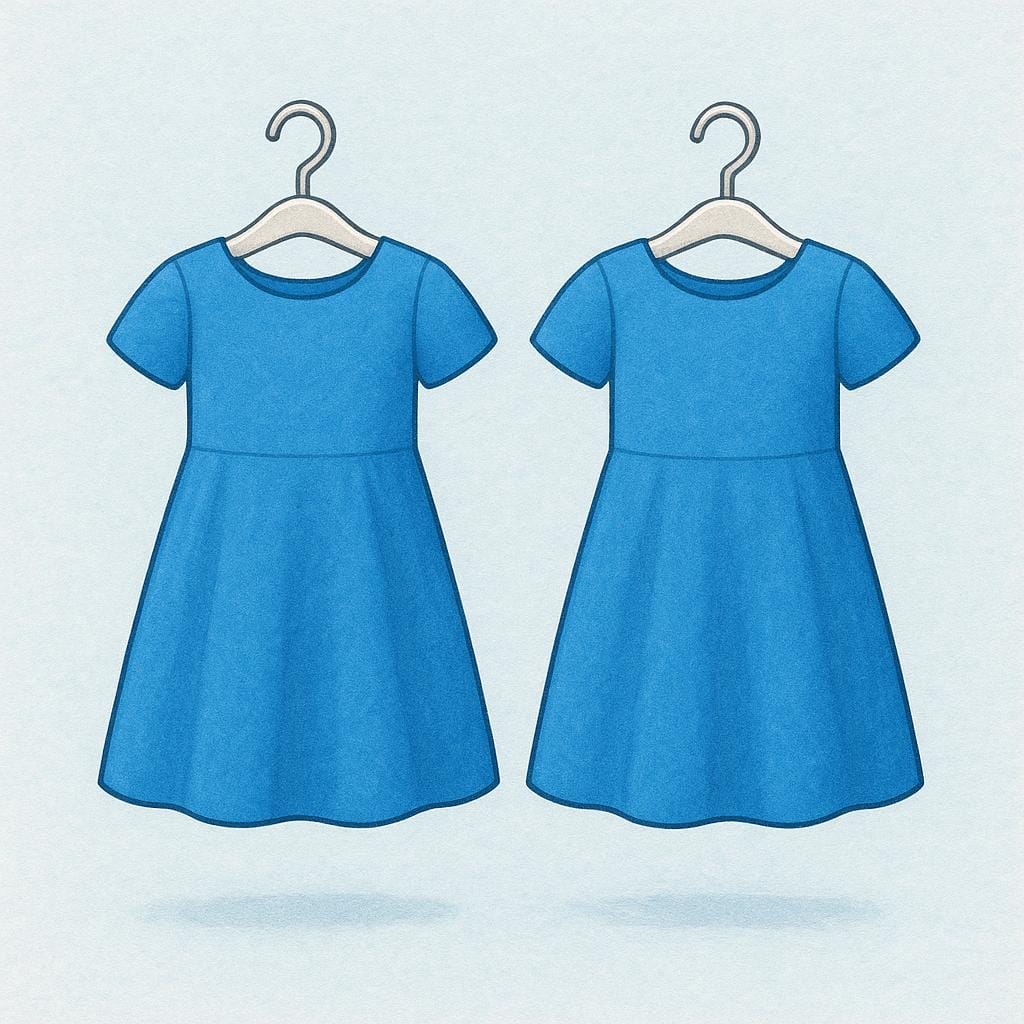
Siempre compramos las mismas marcas de ropa.
We always buy the same brands of clothing.
Recibimos las mismas excusas de siempre.
We received the usual (same old) excuses.
Las mismas palabras que me dijiste ayer.
The very words you told me yesterday.
Adjective Agreement
Since 'mismas' is describing a feminine plural noun (like 'flores' or 'marcas'), it must end in '-as' to match.
Placement
When meaning 'the same,' this word usually comes before the noun it describes: 'las mismas reglas' (the same rules).
Forgetting the Article
Mistake: “Compramos mismas flores.”
Correction: Compramos *las* mismas flores. (Always use the article 'las' before 'mismas' when it means 'the same'.)
iguales
ee-GWAH-lesiˈɣwales

Examples
Todos los estudiantes tienen oportunidades iguales.
All the students have equal opportunities.
Mis zapatos nuevos son exactamente iguales a los viejos.
My new shoes are exactly the same as the old ones.
Si los resultados son iguales, ¿qué hacemos?
If the results are the same, what do we do?
Gender Doesn't Change
Unlike most Spanish adjectives, 'igual' (and 'iguales') is used for both masculine and feminine nouns. You only need to worry about making it plural.
Use with 'Ser'
You almost always use 'iguales' with the verb 'ser' (to be) to state that two things share the same quality or identity: 'Ellas son iguales.'
Confusing Ser and Estar
Mistake: “Mis padres están iguales.”
Correction: Mis padres son iguales. (Use 'ser' because equality is a fixed characteristic, not a temporary state.)
gemela
heh-MEH-lahxeˈmela

Examples
Las dos ciudades tienen torres gemelas en el centro.
The two cities have twin towers in the center.
Compré dos sillas gemelas para el comedor.
I bought two identical chairs for the dining room.
Agreement with nouns
This word must match the thing it describes. Use 'gemela' for one feminine thing and 'gemelas' for two or more feminine things.
uniformes
oo-nee-FOR-mesu.ni.ˈfor.mes

Examples
Las casas en este barrio son todas uniformes.
The houses in this neighborhood are all uniform.
Buscamos resultados uniformes en todos los experimentos.
We are looking for consistent results in all the experiments.
One size fits all genders
Adjectives that end in 'e' like 'uniforme' don't change for masculine or feminine things. They only change for singular or plural.
Confusing 'mismas' and 'idéntico'
Learn Spanish with Inklingo
Interactive stories, personalized learning, and more.