How to Say "key" in Spanish
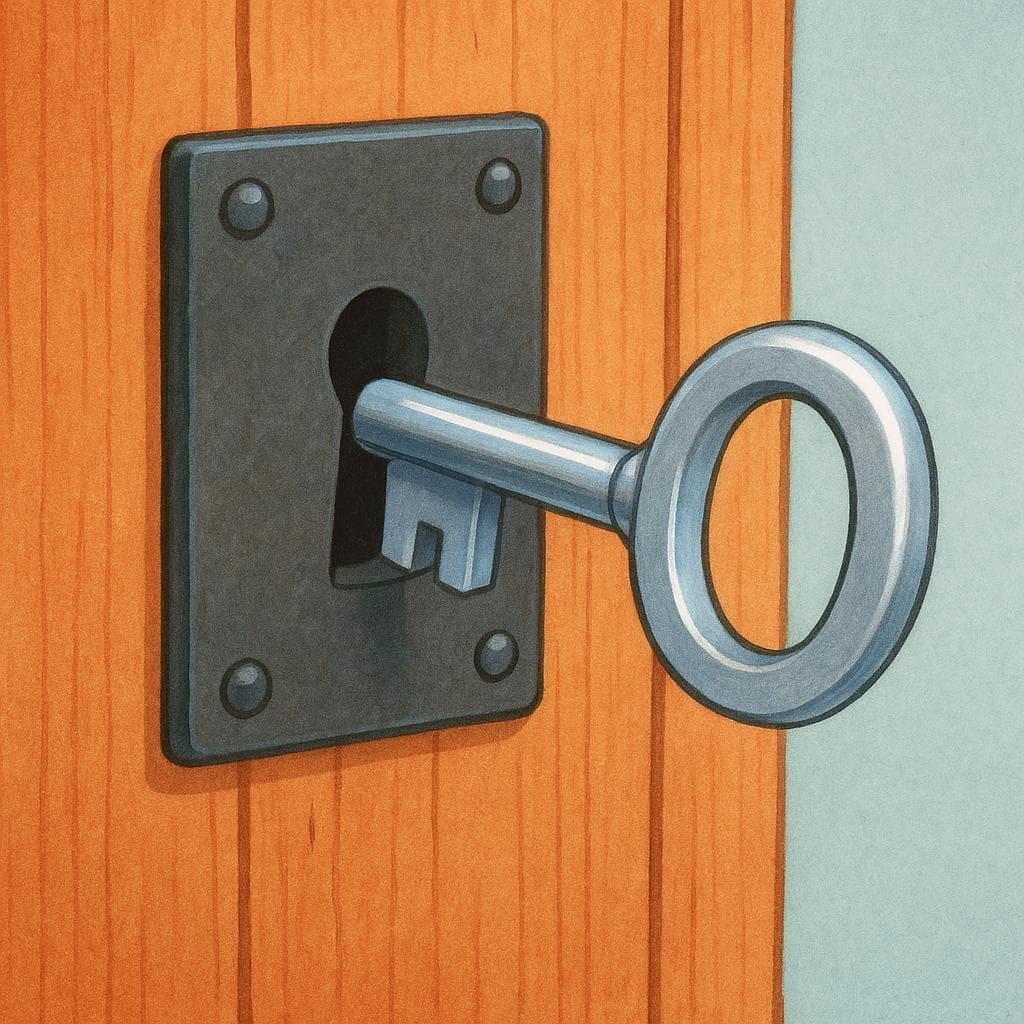
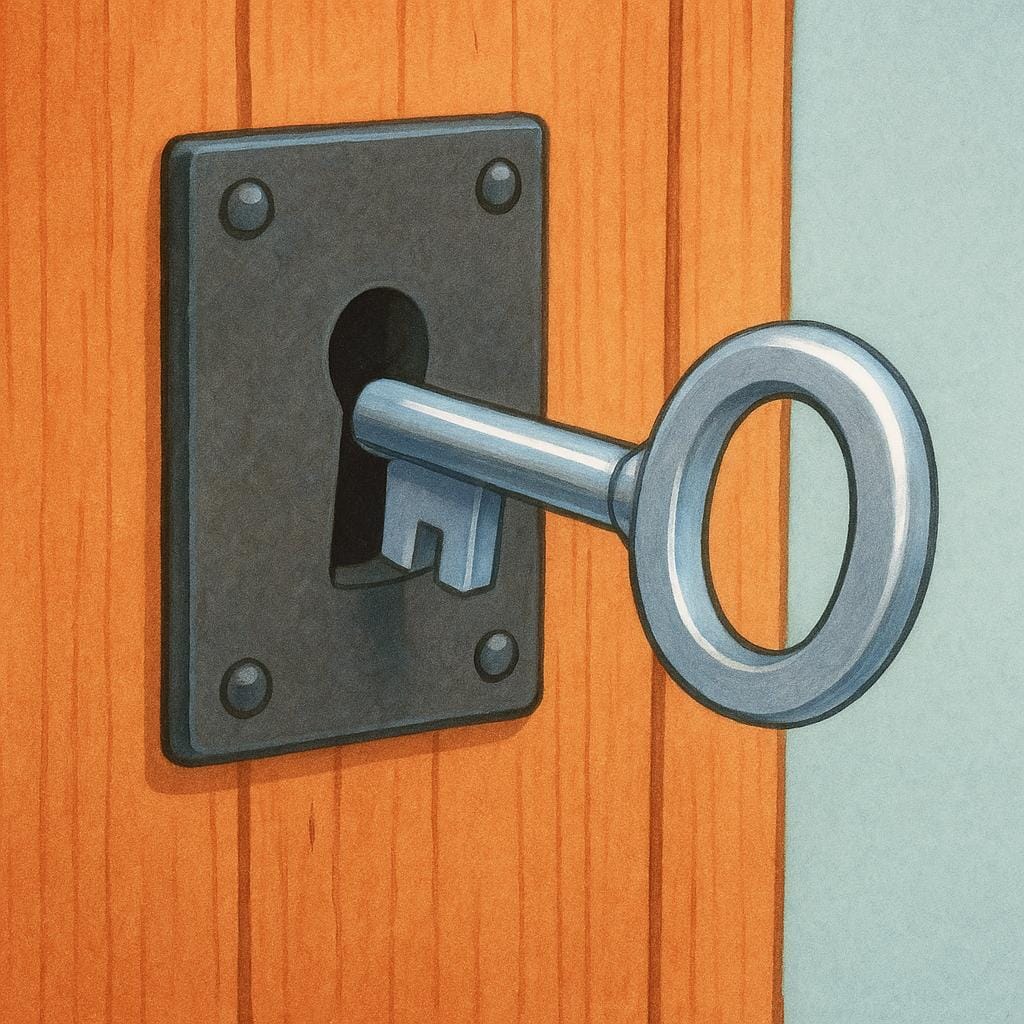
The most common Spanish word for “key” is “llave” — use this for the physical object used to open a lock, or figuratively for the means of achieving something.




llave
ya-behˈʎa.be
Examples
Perdí la llave de mi casa y no puedo entrar.
I lost my house key and I can't get in.
Por favor, pon la llave en el contacto para arrancar el coche.
Please, put the key in the ignition to start the car.
La comunicación es la llave para una buena relación.
Communication is the key to a good relationship.
Encontraron la llave del misterio en una antigua carta.
They found the key to the mystery in an old letter.
It's a Feminine Noun
Even though it doesn't end in '-a', 'llave' is a feminine word. So, you always say 'la llave' (the key) or 'una llave' (a key).
'Llave' vs. 'Clave'
Mistake: “Necesito la clave para la puerta.”
Correction: Necesito la llave para la puerta. Use 'llave' for a physical object that opens a lock. 'Clave' is for a password, code, or an abstract 'key' to understanding something.
clave
KLAH-vehˈklaβe

Examples
Olvidé la clave de mi correo electrónico.
I forgot my email password.
Por seguridad, cambia tu clave cada mes.
For security, change your code every month.
La honestidad es un valor clave en nuestra familia.
Honesty is a key value in our family.
Identificamos los puntos claves de la negociación.
We identified the crucial points of the negotiation.
Always Feminine
Even though 'clave' refers to a code or password, it is always a feminine noun: 'la clave'.
The Invariable Adjective
When 'clave' is used as an adjective (meaning key/crucial), it does not change its form to match the gender (masculine/feminine) or number (singular/plural) of the noun it describes. It always stays 'clave'.
Gender Confusion
Mistake: “El clave (using the masculine article)”
Correction: La clave (always use the feminine article 'la' or 'una').
tecla
TEH-klahˈtekla
Examples
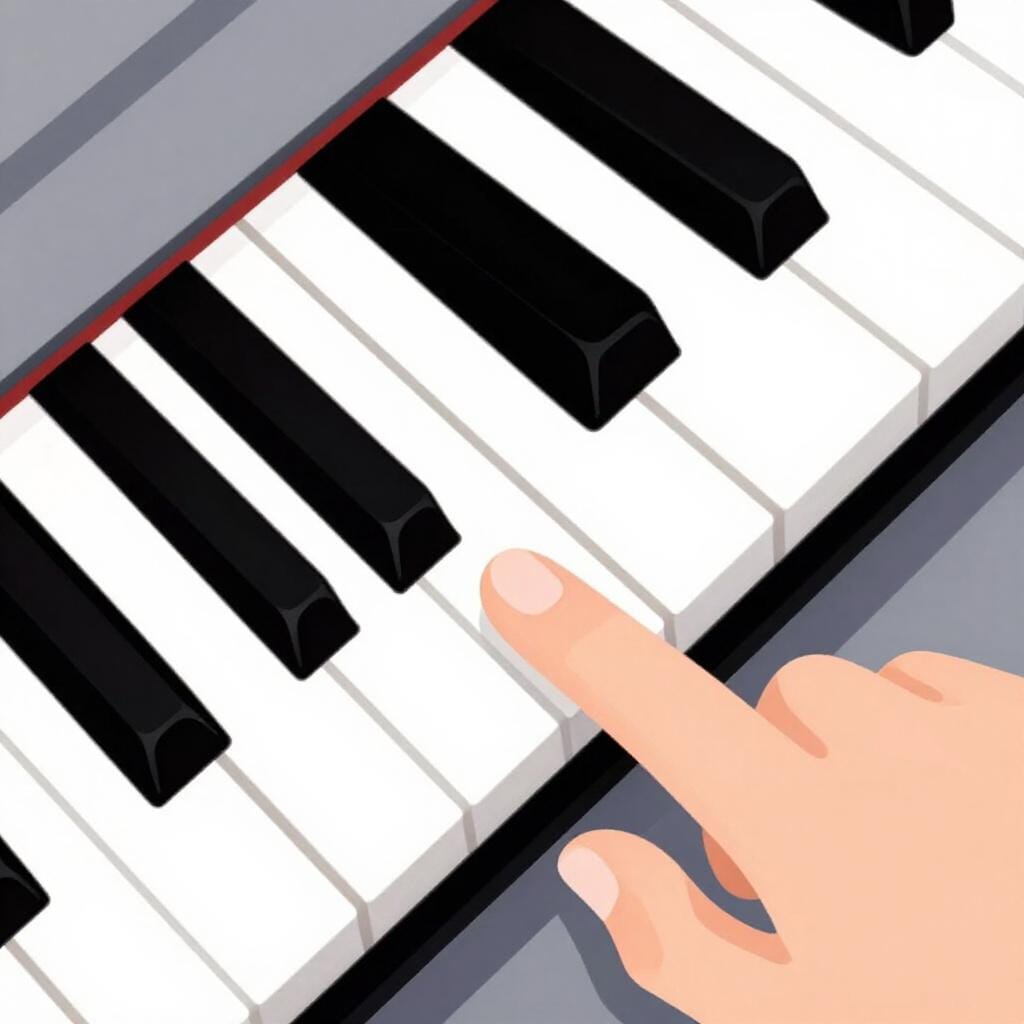
Presiona la tecla Enter para continuar.
Press the Enter key to continue.
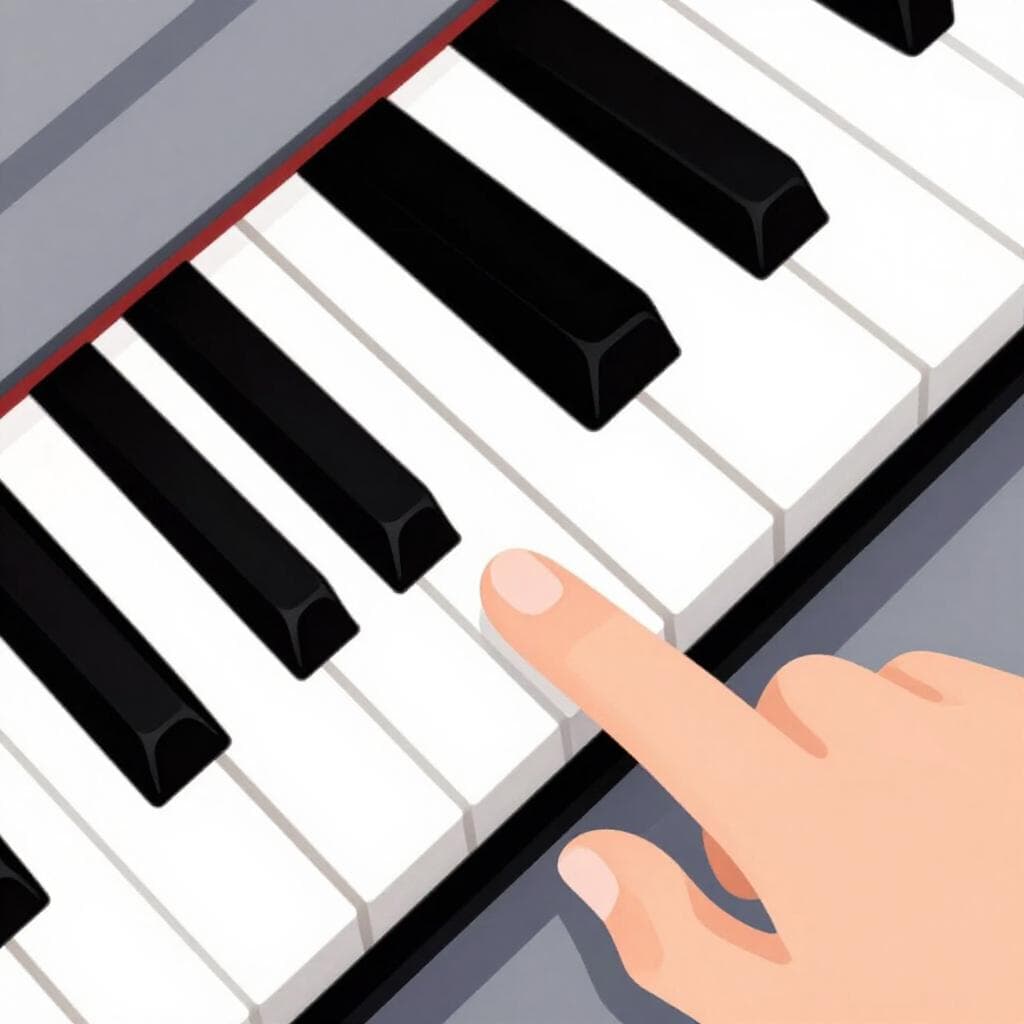
El piano tiene ochenta y ocho teclas.
The piano has eighty-eight keys.
Se me quedó pegada una tecla del teclado.
One of my keyboard keys got stuck.
Tecla vs. Llave
Spanish uses different words for 'key.' Use 'tecla' for things you press (computers, pianos). Use 'llave' for things you turn (doors, locks).
Feminine Noun
This word is always feminine. Even if you are talking about a computer part, you always say 'la tecla' and 'las teclas'.
Wrong Key Type
Mistake: “Perdí la tecla de mi casa.”
Correction: Perdí la llave de mi casa. (Keys for doors are 'llaves', not 'teclas').
contraseña
Examples
Olvidé mi contraseña para acceder al correo electrónico.
I forgot my password to access the email.
botón
Examples
Pulsa el botón de encendido para iniciar la computadora.
Press the power button to start the computer.
central
sen-TRAHLθenˈtral

Examples
El parque está en una zona central de la ciudad.
The park is in a central area of the city.
La idea central de su discurso fue la educación.
The main idea of his speech was education.
Necesitamos un punto de encuentro central para todos.
We need a central meeting point for everyone.
Adjective Placement
Like many Spanish adjectives describing inherent quality, 'central' often goes after the noun (e.g., 'el banco central').
Confusing 'Central' and 'Centro'
Mistake: “Using 'el central' when you mean 'the center' (the noun).”
Correction: Use 'central' only to describe something (adjective). The noun for 'the center' is 'el centro'.
vital
vee-TAHLbiˈtal

Examples
La hidratación es vital para los deportistas.
Hydration is essential for athletes.
Es vital que firmemos el contrato antes de mañana.
It is crucial that we sign the contract before tomorrow.
Su apoyo fue un factor vital en nuestra victoria.
Their support was a vital factor in our victory.
Stays the Same for Gender
Since 'vital' ends in -l, it is used for both masculine and feminine nouns (e.g., 'el factor vital' and 'la decisión vital'). You only need to add -es for the plural: 'vitales'.
Using 'Es vital que...'
When you say 'It is vital that...' (Es vital que...), the verb that follows must be in the special form used for wishes and necessities (the subjunctive mood).
Confusing Form and Function
Mistake: “La información es vitales.”
Correction: La información es vital. The adjective 'vital' only agrees in number (singular or plural), not gender.
fundamental
foon-dah-men-TAHLfundaemẽnˈtal

Examples
El respeto es fundamental en una buena amistad.
Respect is essential in a good friendship.
Necesitamos un cambio fundamental en nuestra estrategia.
We need a fundamental change in our strategy.
Es una pieza fundamental del motor.
It is a key part of the engine.
One Form for All
This word is 'gender-neutral.' Whether you are describing a masculine noun like 'el libro' or a feminine noun like 'la idea,' the word 'fundamental' stays exactly the same.
Plural Pattern
To make this word plural, simply add '-es' to the end: 'los factores fundamentales' or 'las herramientas fundamentales'.
Ending with 'a'
Mistake: “la idea fundamentala”
Correction: la idea fundamental. Even though 'idea' ends in 'a,' words ending in 'l' don't change their ending for feminine words.
respuesta
res-PWES-tahreˈspwesta
Examples
La respuesta al problema es más sencilla de lo que parece.
The solution to the problem is simpler than it seems.
Necesitamos una respuesta efectiva a la crisis económica.
We need an effective response to the economic crisis.
La diplomacia es la única respuesta posible en este conflicto.
Diplomacy is the only possible solution in this conflict.
leyenda
leh-YEHN-dahleˈʝen̪.da
Examples
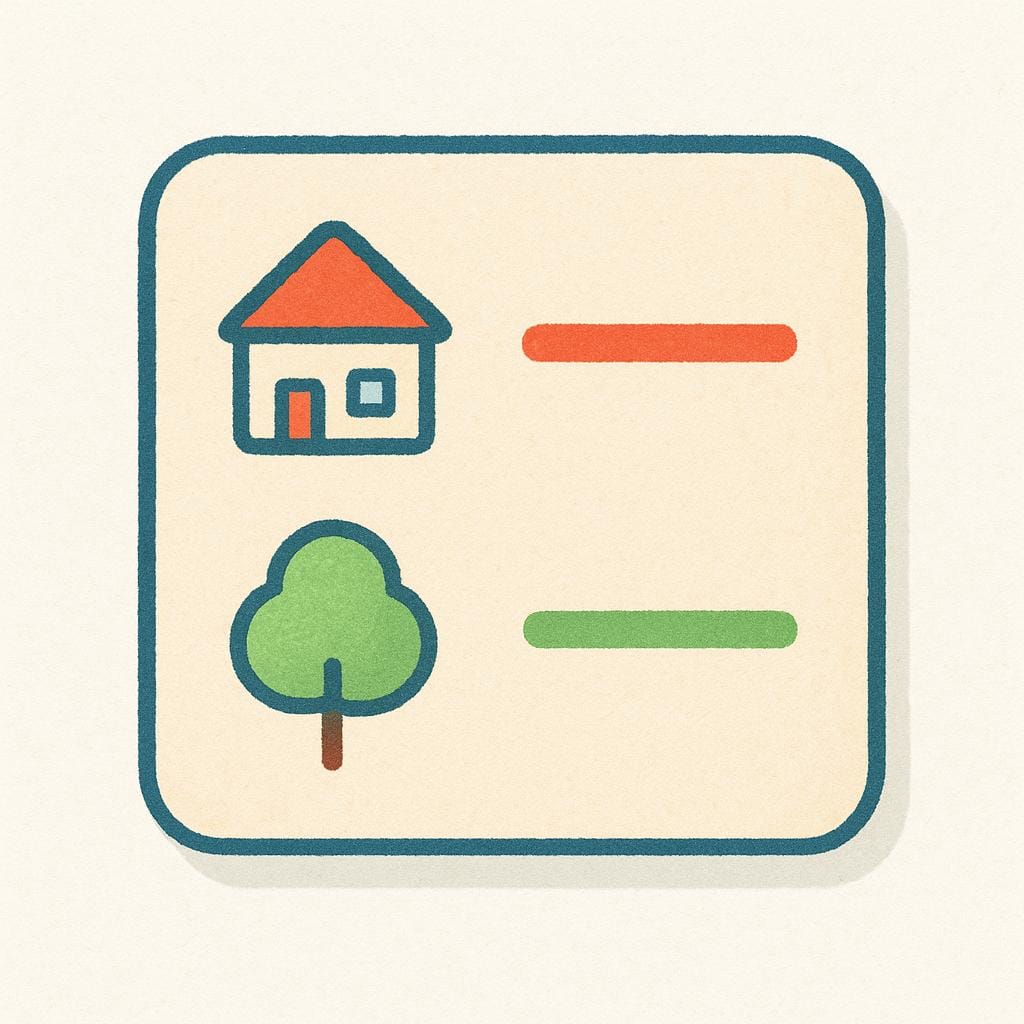
Debes consultar la leyenda del mapa para identificar los símbolos.
You must consult the map key to identify the symbols.
La leyenda al pie de la gráfica explica el significado de los colores.
The caption at the bottom of the graph explains the meaning of the colors.
Technical Use
This meaning is often found in academic texts, manuals, or when describing visual data like charts and graphs.
estratégico
Examples
El hotel está en un punto estratégico de la ciudad.
The hotel is in a strategic spot in the city.
Key vs. Password Confusion
Related Translations
Learn Spanish with Inklingo
Interactive stories, personalized learning, and more.