How to Say "essential" in Spanish
The most common Spanish word for “essential” is “necesario” — use this common word to emphasize that something is important and required, but not necessarily life-or-death. It's the most general translation.












necesario
ne-se-SA-ryoneseˈsaɾjo

Examples
Es necesario estudiar para el examen.
It's necessary to study for the exam.
El agua es necesaria para la vida.
Water is necessary for life.
No es necesario que vengas si no quieres.
It's not necessary for you to come if you don't want to.
Matching the Noun
Like most Spanish adjectives, necesario changes to match the thing it describes. Use necesario for masculine things (un libro necesario) and necesaria for feminine things (una respuesta necesaria).
Always Use 'Ser'
To say something is necessary, you'll almost always use the verb ser (Es necesario...). It's a description of a permanent state or a general truth.
Two Ways to Say What's Necessary
You can say what needs to be done in two common ways. 1) Es necesario + action: Es necesario comer. 2) Es necesario que + person + special verb form: Es necesario que comas (It's necessary that you eat).
Forgetting the Feminine Form
Mistake: “La información es necesario.”
Correction: La información es necesaria. Remember that 'información' is a feminine word, so the adjective needs to match!
Using 'por' Instead of 'para'
Mistake: “Es necesario por el trabajo.”
Correction: Es necesario para el trabajo. When you say something is necessary 'for' a purpose or a goal, you always use 'para'.
básico
Examples
Necesitas aprender el vocabulario básico primero.
You need to learn the basic vocabulary first.
principal
preen-see-PAHLpɾinsiˈpal

Examples
La calle principal siempre está llena de gente.
The main street is always full of people.
Mi objetivo principal es terminar mis estudios este año.
My primary goal is to finish my studies this year.
El problema principal con la economía es la falta de empleo.
The chief problem with the economy is the lack of jobs.
Adjective Agreement (Gender)
Even though it describes both masculine and feminine nouns (e.g., 'el edificio principal,' 'la calle principal'), the word 'principal' itself stays the same. It only changes when it becomes plural: 'principales'.
Confusing Adjective and Noun
Mistake: “Usar 'el principal' para decir 'the main' (e.g., 'The main topic is...').”
Correction: Always use it with a noun when it's an adjective: 'El tema principal es...' (The main topic is...).
esencial
eh-sen-SYALe.senˈsjal

Examples
El agua potable es esencial para la vida humana.
Drinking water is essential for human life.
La comunicación es una parte esencial de cualquier relación.
Communication is an essential part of any relationship.
Este documento contiene la información esencial que necesitamos.
This document contains the essential information we need.
Adjective Placement
Like most descriptive adjectives, 'esencial' usually goes after the noun it describes, as in 'una parte esencial'.
One Form for All
Since 'esencial' ends in '-l', it is one of the adjectives that does not change form for masculine or feminine nouns. Use 'esencial' for both genders!
Creating a Feminine Form
Mistake: “La tarea es esenciala.”
Correction: La tarea es esencial. (The form 'esencial' works for both 'el' and 'la' nouns.)
elemental
eh-leh-men-TAHLelemenˈtal

Examples
El agua es un recurso elemental para la vida.
Water is a basic resource for life.
Necesitas aprender las reglas elementales del juego.
You need to learn the basic rules of the game.
Es un derecho elemental de todo ser humano.
It is a fundamental right of every human being.
One Form for All
In Spanish, adjectives that end in 'l' don't change for male or female nouns. You can say 'un paso elemental' (a basic step) or 'una regla elemental' (a basic rule).
Plural Form
To make this word plural, just add '-es' to the end: 'elementales'.
Avoid 'elementala'
Mistake: “una regla elementala”
Correction: una regla elemental. Even though 'regla' is feminine, the adjective 'elemental' stays the same for both genders.
vital
vee-TAHLbiˈtal

Examples
La hidratación es vital para los deportistas.
Hydration is essential for athletes.
Es vital que firmemos el contrato antes de mañana.
It is crucial that we sign the contract before tomorrow.
Su apoyo fue un factor vital en nuestra victoria.
Their support was a vital factor in our victory.
Stays the Same for Gender
Since 'vital' ends in -l, it is used for both masculine and feminine nouns (e.g., 'el factor vital' and 'la decisión vital'). You only need to add -es for the plural: 'vitales'.
Using 'Es vital que...'
When you say 'It is vital that...' (Es vital que...), the verb that follows must be in the special form used for wishes and necessities (the subjunctive mood).
Confusing Form and Function
Mistake: “La información es vitales.”
Correction: La información es vital. The adjective 'vital' only agrees in number (singular or plural), not gender.
vitales
bee-TAH-lehsbiˈtales

Examples
Los médicos revisaron sus constantes vitales.
The doctors checked their vital signs.
Estos cambios son vitales para el futuro de la empresa.
These changes are essential for the future of the company.
One Form for All
This word is a 'gender-neutral' adjective. It doesn't matter if you are describing men, women, or objects; it stays 'vitales' for all plural things.
Making it Plural
Since the singular word 'vital' ends in a consonant (l), we add '-es' to make it plural: vital → vitales.
Don't change the ending for gender
Mistake: “órganos vitalos”
Correction: órganos vitales. Even though 'órganos' is masculine, 'vitales' doesn't end in 'o' or 'a', so it doesn't change for gender.
imprescindible
eem-prehs-seen-DEE-blehimpɾesθinˈdiβle

Examples
El agua es imprescindible para la vida.
Water is essential for life.
Este libro es imprescindible para aprender español.
This book is a must-have to learn Spanish.
Es imprescindible que traigas tu pasaporte al aeropuerto.
It is absolutely necessary that you bring your passport to the airport.
One Form for All
This word ends in -e, which means it doesn't change for boys or girls. You can say 'un libro imprescindible' (masculine) or 'una herramienta imprescindible' (feminine).
Using it with Actions
When you say 'Es imprescindible que...' (It is essential that...), the verb that follows needs to use a special form for wishes and requirements, like 'vengas' instead of 'vienes'.
Gender confusion
Mistake: “La comida es imprescindibla.”
Correction: La comida es imprescindible. Adjectives ending in -e don't change to -a for feminine words.
indispensable
een-dees-pen-SAH-blehindispenˈsaβle

Examples
El agua es indispensable para la vida.
Water is essential for life.
Tu ayuda fue indispensable para terminar el proyecto.
Your help was indispensable to finish the project.
En este trabajo, saber inglés se ha vuelto indispensable.
In this job, knowing English has become essential.
One size fits all
This word is 'gender-neutral.' Because it ends in -e, it stays exactly the same whether you are describing a masculine noun (el libro) or a feminine noun (la herramienta).
Plural form
To make this word plural, just add an 's' to the end: 'indispensables'. It doesn't matter if the group is all men, all women, or mixed.
Matching the 'A' or 'The'
Mistake: “Es un herramienta indispensable.”
Correction: Es una herramienta indispensable.
fundamental
foon-dah-men-TAHLfundaemẽnˈtal

Examples
El respeto es fundamental en una buena amistad.
Respect is essential in a good friendship.
Necesitamos un cambio fundamental en nuestra estrategia.
We need a fundamental change in our strategy.
Es una pieza fundamental del motor.
It is a key part of the engine.
One Form for All
This word is 'gender-neutral.' Whether you are describing a masculine noun like 'el libro' or a feminine noun like 'la idea,' the word 'fundamental' stays exactly the same.
Plural Pattern
To make this word plural, simply add '-es' to the end: 'los factores fundamentales' or 'las herramientas fundamentales'.
Ending with 'a'
Mistake: “la idea fundamentala”
Correction: la idea fundamental. Even though 'idea' ends in 'a,' words ending in 'l' don't change their ending for feminine words.
instrumental
een-stroo-men-TAHLinstɾumenˈtal
Examples
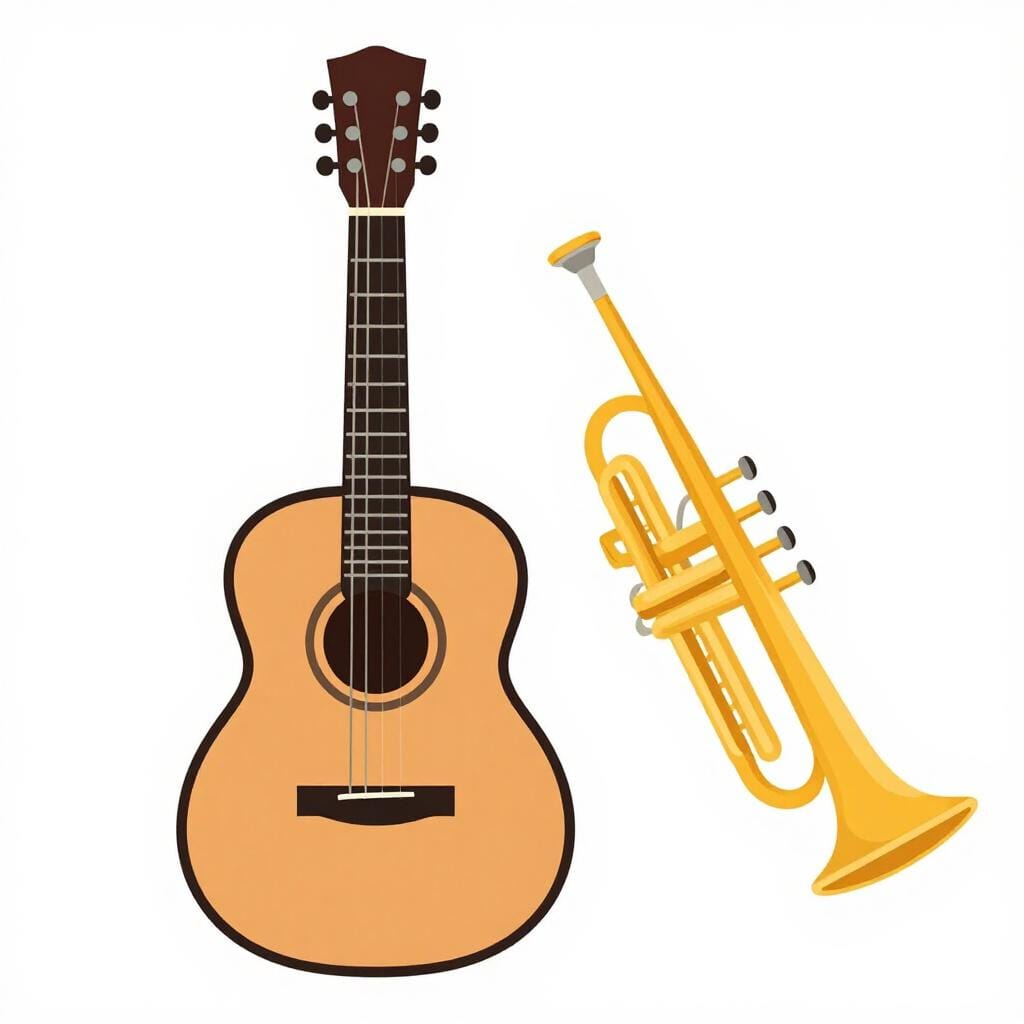
Prefiero la música instrumental cuando estoy trabajando.
I prefer instrumental music when I am working.
Su apoyo fue instrumental para el éxito del equipo.
Her support was instrumental to the team's success.
La banda lanzó una versión instrumental de su nueva canción.
The band released an instrumental version of their new song.
One Form for All
Unlike many Spanish adjectives, this word doesn't change its ending for men or women. It is always 'instrumental' regardless of the gender of the noun it describes.
Placement
When talking about music, it usually comes after the noun (música instrumental). When used figuratively to mean 'essential,' it also usually follows the noun or the verb 'to be'.
The 'O' Trap
Mistake: “La música instrumentala.”
Correction: La música instrumental. Adjectives ending in 'l' do not add an 'a' for feminine nouns.
preciso
preh-SEE-sohpɾeˈθiso

Examples
Es preciso actuar con rapidez para evitar el problema.
It is necessary to act quickly to avoid the problem.
Si precisa más información, llámeme.
If you require more information, call me. (Formal use, derived from the verb 'precisar' but functioning as a formal adjective/expression)
Triggering the Special Verb Form
When used impersonally ('Es preciso que...'), the verb that follows must use the special subjunctive form, meaning the verb changes its ending to express necessity or desire: 'Es preciso que vengas' (It is necessary that you come).
primordial
pree-mor-dee-AHLpɾimorˈðjal

Examples
La educación es un factor primordial para el desarrollo.
Education is an essential factor for development.
Es primordial que lleguemos a un acuerdo hoy mismo.
It is fundamental that we reach an agreement this very day.
El objetivo primordial de la empresa es la satisfacción del cliente.
The primary goal of the company is customer satisfaction.
One Form for All
This word stays the same whether you are describing a masculine or feminine person or thing. You only need to add an '-es' to the end if you are talking about more than one thing (primordiales).
Using the 'Wish' Form
When you say 'Es primordial que...' (It's essential that...), the next verb needs to change its form to show a desire or requirement. For example: 'Es primordial que él venga' (It's essential that he comes).
The 'O' or 'A' Trap
Mistake: “La meta primordiala.”
Correction: La meta primordial. Even though 'meta' is feminine, words ending in 'l' usually don't change to 'a' in Spanish.
sustancial
soos-tahn-SYALsustanˈsjal

Examples
Analizaron los elementos sustanciales del contrato.
They analyzed the essential elements of the contract.
Lo sustancial de su discurso fue la paz.
The essence of his speech was peace.
Using 'Lo' to talk about ideas
You can use 'Lo sustancial' to mean 'the substantial part' or 'the essence.' Using 'lo' turns the adjective into a noun representing an abstract concept.
Choosing Between Necessity and Importance
Related Translations
Learn Spanish with Inklingo
Interactive stories, personalized learning, and more.