How to Say "leakage" in Spanish
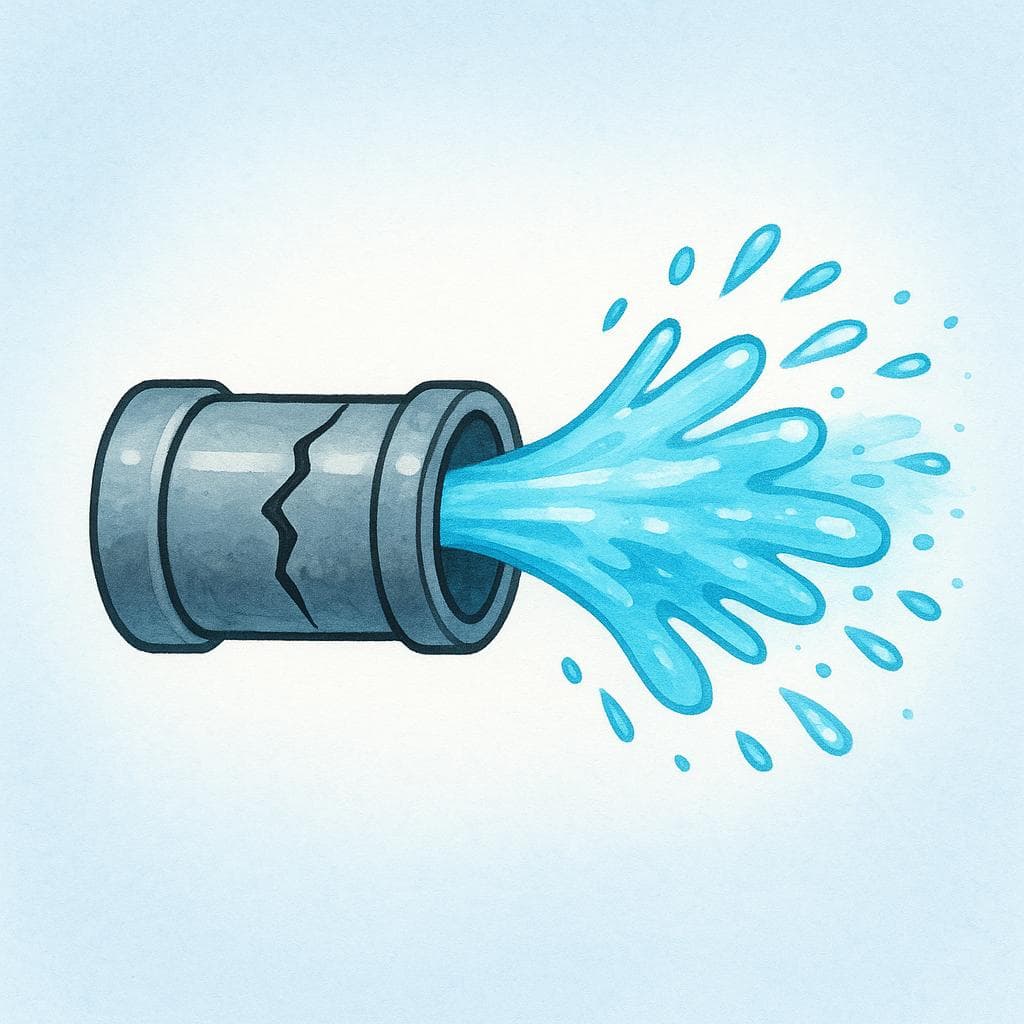
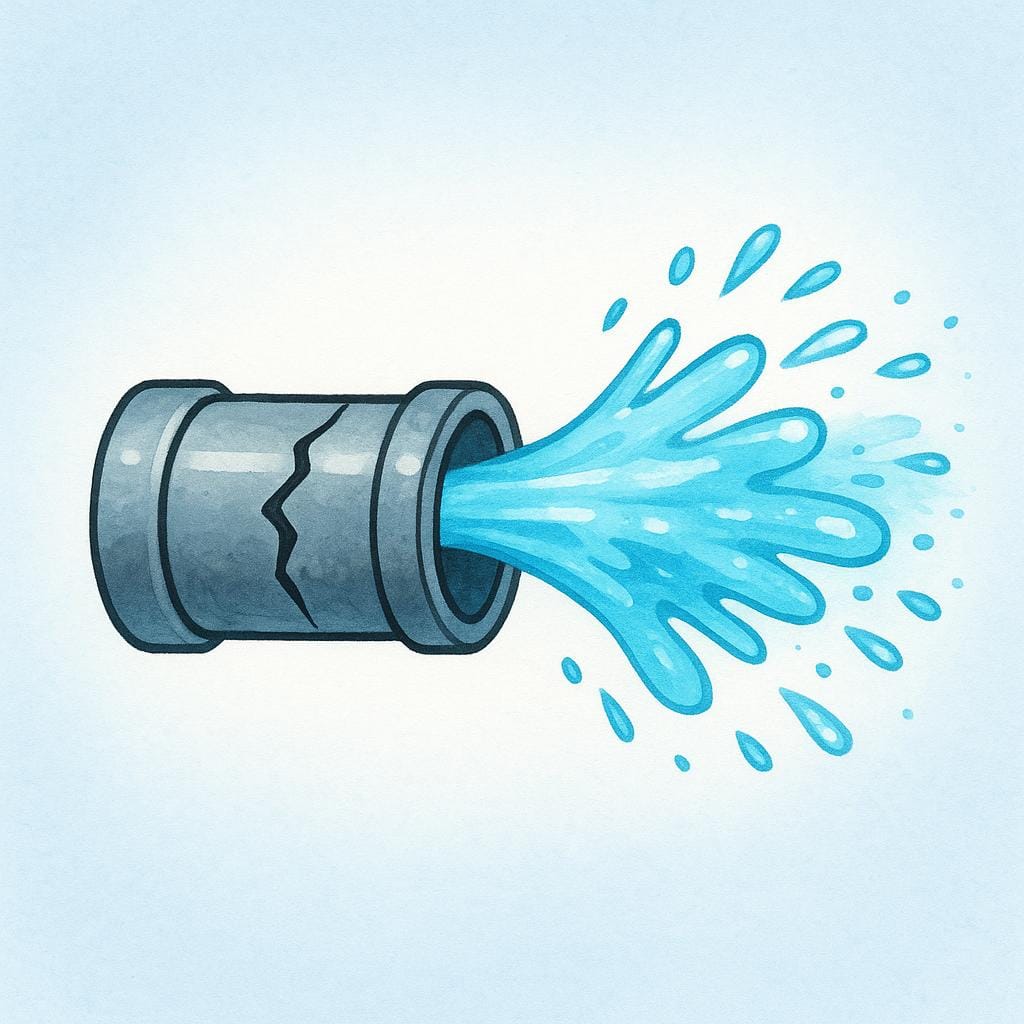
The most common Spanish word for “leakage” is “fuga” — use 'fuga' when referring to a general loss or escape of a substance, especially when it implies a physical breach or hole.
FOO-gahˈfu.ɣa
Examples
Llamamos al fontanero porque había una fuga de agua en el baño.
We called the plumber because there was a water leak in the bathroom.
La fuga de gas era tan pequeña que apenas se podía oler.
The gas leak was so small it could barely be smelled.
El contador registró una fuga eléctrica en la casa.
The meter registered an electrical leakage in the house.
Verbs for Leaks
To describe the action of leaking, use the verb 'escaparse' (to escape/leak out) or 'gotear' (to drip) more often than the less common verb 'fugar'.
False Cognate Alert
Mistake: “Thinking 'fuga' means 'fog' (English).”
Correction: The Spanish word for 'fog' or 'mist' is 'niebla'. Remember 'fuga' means 'escape' or 'leak'.
Examples
Hay una pérdida de gas en la cocina, ¡llama al técnico!
There is a gas leak in the kitchen, call the technician!
Fuga vs. Pérdida
Learners often confuse 'fuga' and 'pérdida' because both relate to 'leakage'. Remember that 'fuga' emphasizes the escape or breach (the hole), while 'pérdida' focuses on the loss itself (what's gone).
Related Translations
Learn Spanish with Inklingo
Interactive stories, personalized learning, and more.