How to Say "leak" in Spanish
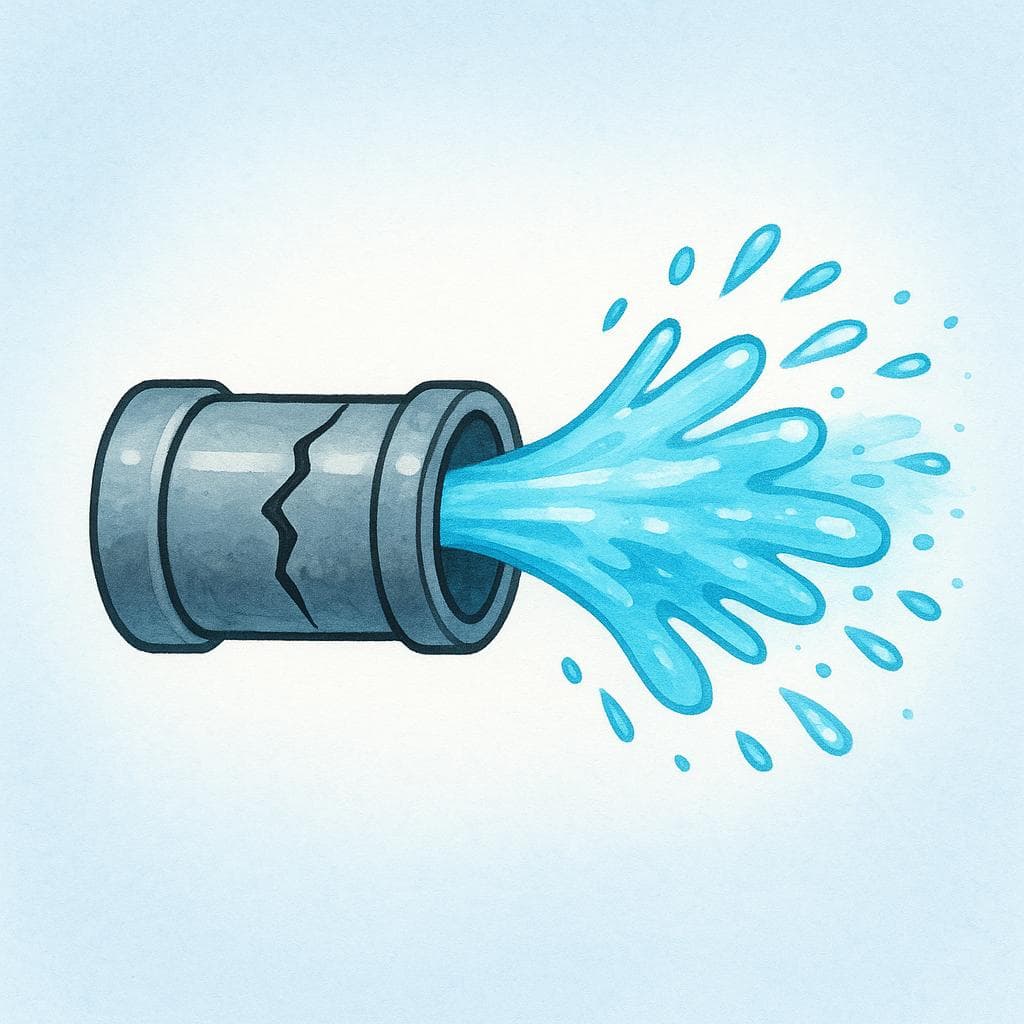
The most common Spanish word for “leak” is “filtración” — use 'filtración' when liquid or gas escapes through a surface, like a crack or porous material, or for the unauthorized release of secret information.


filtración
Examples
Hay una filtración de agua en el techo del baño.
There is a water leak in the bathroom ceiling.
fuga
FOO-gahˈfu.ɣa
Examples
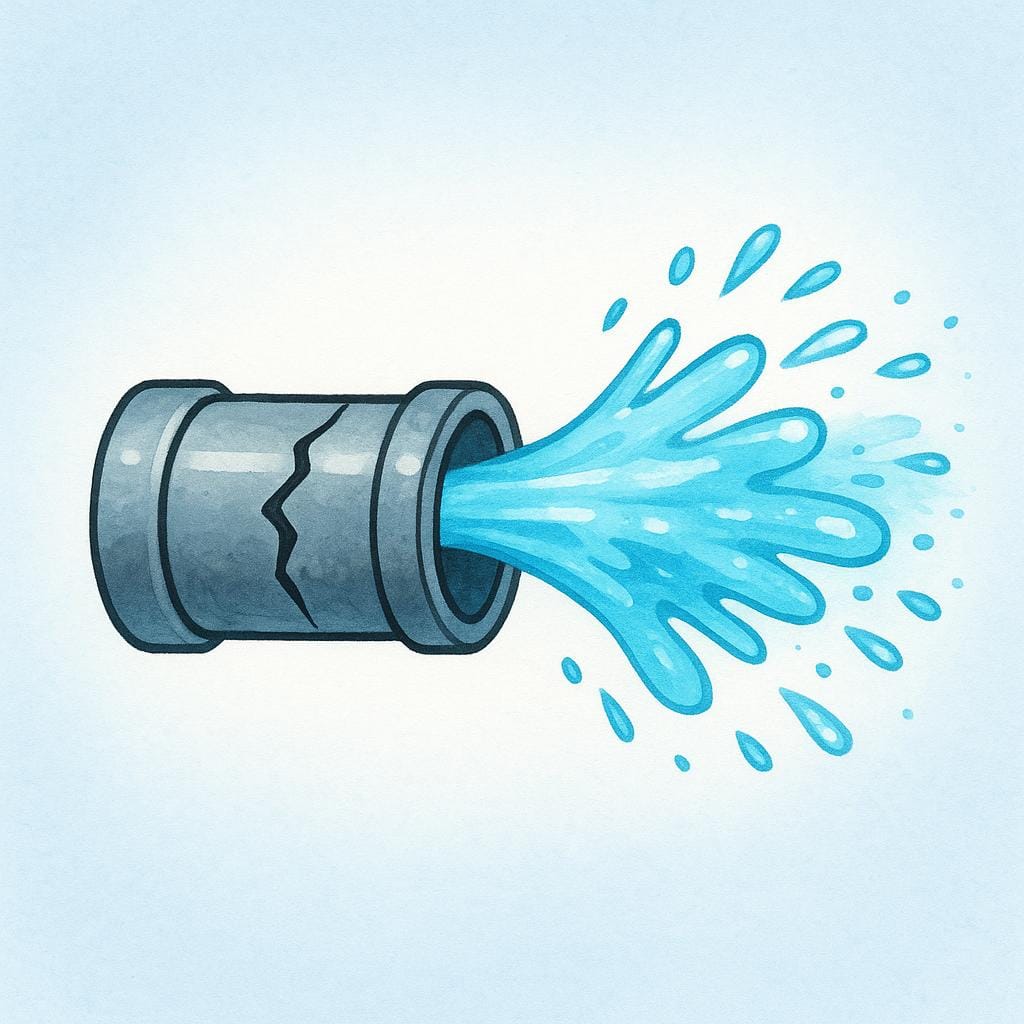
Llamamos al fontanero porque había una fuga de agua en el baño.
We called the plumber because there was a water leak in the bathroom.
La fuga de gas era tan pequeña que apenas se podía oler.
The gas leak was so small it could barely be smelled.
El contador registró una fuga eléctrica en la casa.
The meter registered an electrical leakage in the house.
Verbs for Leaks
To describe the action of leaking, use the verb 'escaparse' (to escape/leak out) or 'gotear' (to drip) more often than the less common verb 'fugar'.
False Cognate Alert
Mistake: “Thinking 'fuga' means 'fog' (English).”
Correction: The Spanish word for 'fog' or 'mist' is 'niebla'. Remember 'fuga' means 'escape' or 'leak'.
Examples
Hay una pérdida de gas en la cocina, ¡llama al técnico!
There is a gas leak in the kitchen, call the technician!
derrame
deh-rrah-mehdeˈrame

Examples
Hubo un derrame de aceite en la cocina.
There was an oil spill in the kitchen.
El derrame de petróleo afectó a las aves marinas.
The oil spill affected the sea birds.
Pusimos arena sobre el derrame para que nadie se resbalara.
We put sand on the spill so no one would slip.
Masculine 'E' Noun
Even though many words ending in 'e' can be tricky, 'derrame' is always masculine (el derrame).
Using 'Derrame' for rain
Mistake: “Hubo un derrame de lluvia.”
Correction: Hubo una lluvia fuerte. 'Derrame' usually implies an accident or something escaping a container.
escape
es-KAH-pehesˈka.pe

Examples
El tubo de gas tenía una pequeña escape.
The gas pipe had a small leak.
El plan de escape del prisionero falló en el último momento.
The prisoner's escape plan failed at the last minute.
Necesito un escape de la rutina, aunque sea solo un fin de semana.
I need a break (an escape) from routine, even if it's just for a weekend.
Masculine Noun
Even though it ends in '-e,' remember that 'escape' is always masculine: 'el escape' or 'un escape'.
Filtración vs. Fuga
Related Translations
Learn Spanish with Inklingo
Interactive stories, personalized learning, and more.