How to Say "living" in Spanish
The most common Spanish word for “living” is “viviendo” — use 'viviendo' when referring to the ongoing action of being alive or the state of residing in a place, often as part of the present progressive tense.



viviendo
vee-vee-EN-dohbi'βjen̪do

Examples
Mi perro está viviendo conmigo ahora.
My dog is living with me now.
Mi hermana está viviendo en Madrid temporalmente.
My sister is living in Madrid temporarily.
¿Qué estás haciendo? Estoy viviendo mi mejor vida.
What are you doing? I'm living my best life.
Ellos están viviendo juntos desde el verano pasado.
They have been living together since last summer.
The Present Continuous
This form ('viviendo') is most often used with the verb 'estar' to describe an action happening right now or an ongoing situation: 'Estoy viviendo' (I am living).
Always Invariable
Unlike adjectives, the gerund form 'viviendo' never changes its ending. It is always 'viviendo', regardless of who is doing the action (I, she, they, etc.).
Using 'Ser' instead of 'Estar'
Mistake: “Soy viviendo en Barcelona.”
Correction: Estoy viviendo en Barcelona. (Always use 'estar' when talking about ongoing actions.)
vivo
bee-boh'bibo

Examples
Hay muchos animales vivos en la selva.
There are many living animals in the jungle.
El pez que pescamos todavía está vivo.
The fish we caught is still alive.
¿Es una flor de plástico o es una planta viva?
Is it a plastic flower or a living plant?
Matches the Noun's Gender
Like most describing words in Spanish, 'vivo' changes to match the person or thing it describes. Use 'vivo' for masculine things ('el pez vivo') and 'viva' for feminine things ('la planta viva').
Use with 'Estar', not 'Ser'
To say something is alive, you'll almost always use the verb 'estar' (e.g., 'El perro está vivo'). This is because being alive is a state or condition, which is what 'estar' is for.
viviente
bee-BYEN-tehbiˈβjente

Examples
Cada ser viviente merece respeto.
Every living being deserves respect.
La selva es un ecosistema viviente lleno de sorpresas.
The jungle is a living ecosystem full of surprises.
Cada ser viviente tiene un papel en el planeta.
Every living being has a role on the planet.
One Ending for All
This word doesn't change based on gender. You can use it for both masculine and feminine things (el gato viviente / la planta viviente).
Viviente vs. Vivo
Mistake: “Using 'viviente' to say someone is currently alive (e.g., 'Mi abuelo está viviente').”
Correction: Use 'vivo' for the state of being alive ('Mi abuelo está vivo'). 'Viviente' is usually for general descriptions or scientific categories.
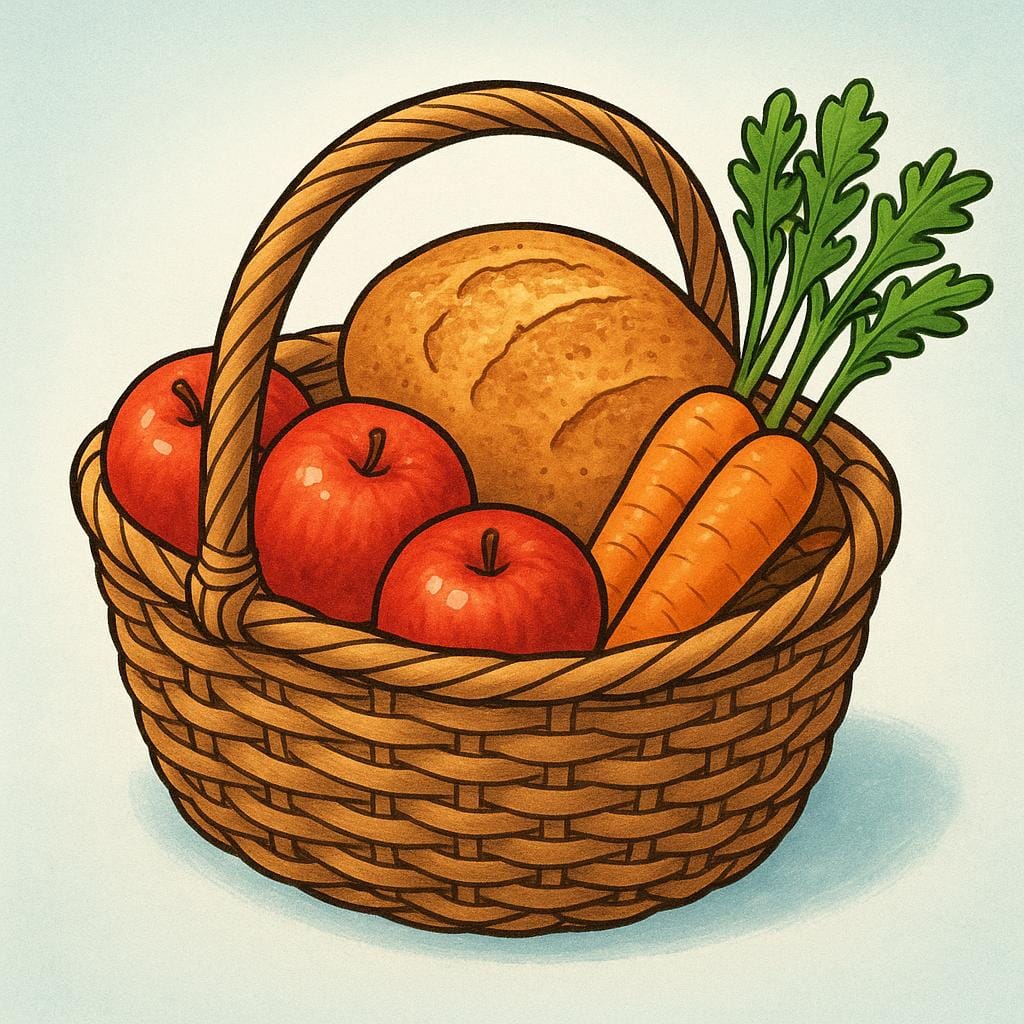
pan
pahnpan
Examples
Ella trabaja para ganarse el pan.
She works to earn her living.
Trabaja duro para ganarse el pan de cada día.
He works hard to earn his daily bread (to earn a living).
No pudieron quitarle el pan de la boca a la familia.
They couldn't take the food out of the family's mouth (take away their means of survival).
Idiomatic Use
In these figurative uses, 'pan' acts as a stand-in for all the necessary things you need to survive, similar to how 'breadwinner' is used in English.
Verb vs. Adjective Usage
Related Translations
Learn Spanish with Inklingo
Interactive stories, personalized learning, and more.