How to Say "looked" in Spanish
The most common Spanish word for “looked” is “parecía” — use 'parecía' when describing how someone or something visually appeared or seemed at a particular moment, focusing on an impression or outward appearance.
parecía
Examples
El edificio parecía muy antiguo.
The building looked very old.
Examples
La camisa te quedó perfecta.
The shirt looked perfect on you.
quedaba
keh-DAH-bahkeˈðaβa
Examples
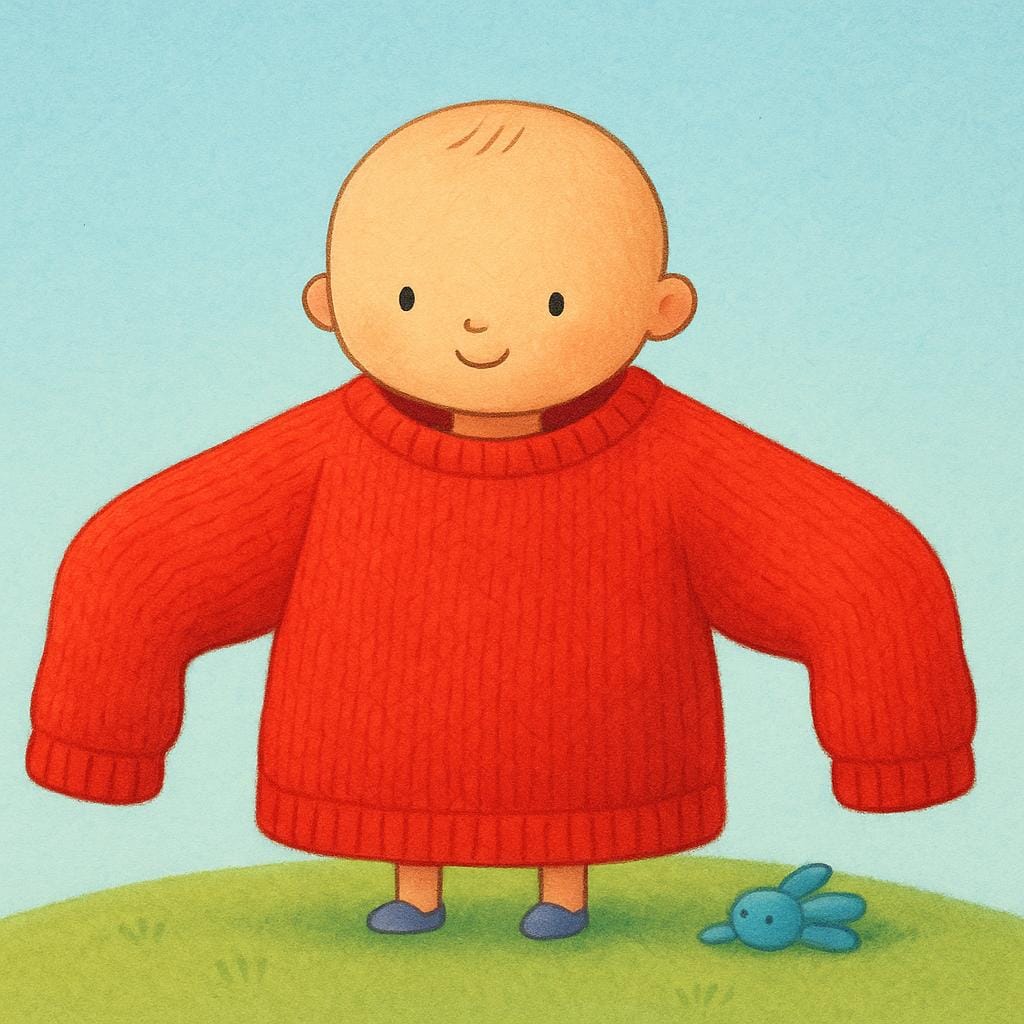
Ese peinado te quedaba muy juvenil.
That hairstyle looked very youthful on you.
El sombrero le quedaba muy bien con su traje azul.
The hat looked very good (suited him/her) with his blue suit.
La ropa de niño me quedaba pequeña cuando tenía diez años.
The children's clothes fit me small when I was ten years old.
Use with 'Le' or 'Me'
When talking about how clothes fit, you almost always need an indirect pronoun: 'Me quedaba' (it fit me), 'Le quedaba' (it fit him/her). The subject is the clothing, not the person!
quedaron
ke-DAH-ronkeˈð̞a.ɾon
Examples
Los resultados quedaron sorprendentes.
The results looked surprising.
Los nuevos uniformes quedaron muy elegantes.
The new uniforms looked very elegant.
Las cortinas rojas no quedaron bien con la pared azul.
The red curtains didn't look good (didn't go well) with the blue wall.
Después de la remodelación, las habitaciones quedaron mucho más amplias.
After the remodel, the rooms turned out much more spacious.
Quedar + Adjective
In this sense, 'quedar' is often followed by a descriptive word (an adjective) to explain the state or appearance of the subject.
Choosing between 'parecía' and 'quedó/quedaba'
Related Translations
Learn Spanish with Inklingo
Interactive stories, personalized learning, and more.