How to Say "mail" in Spanish
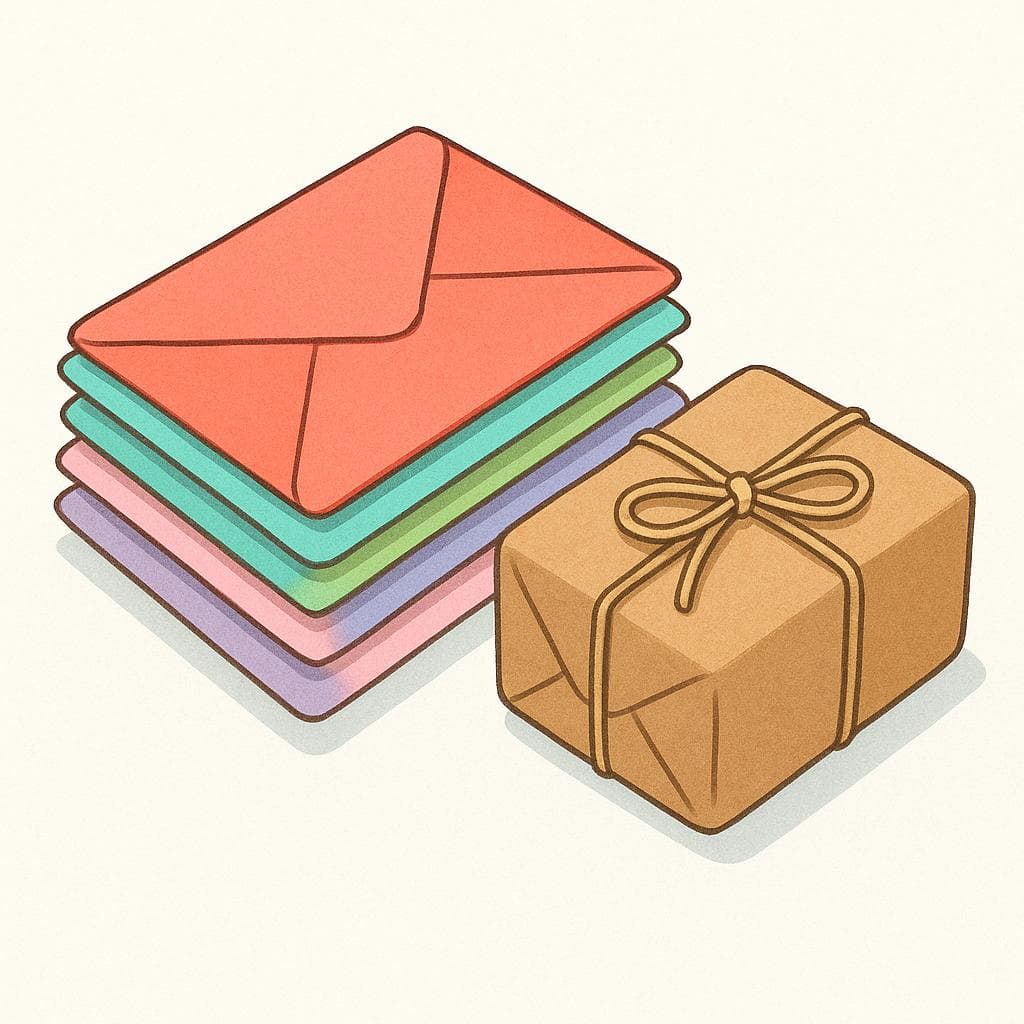
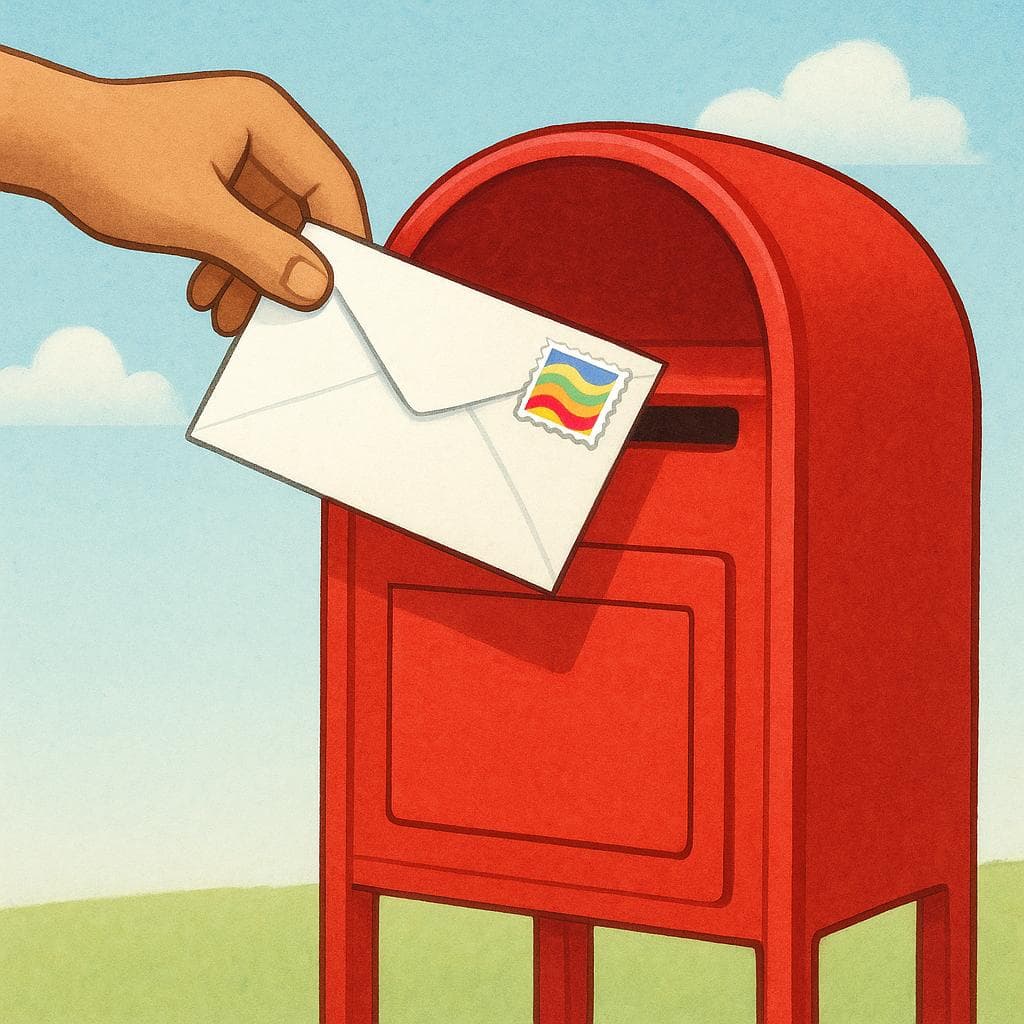
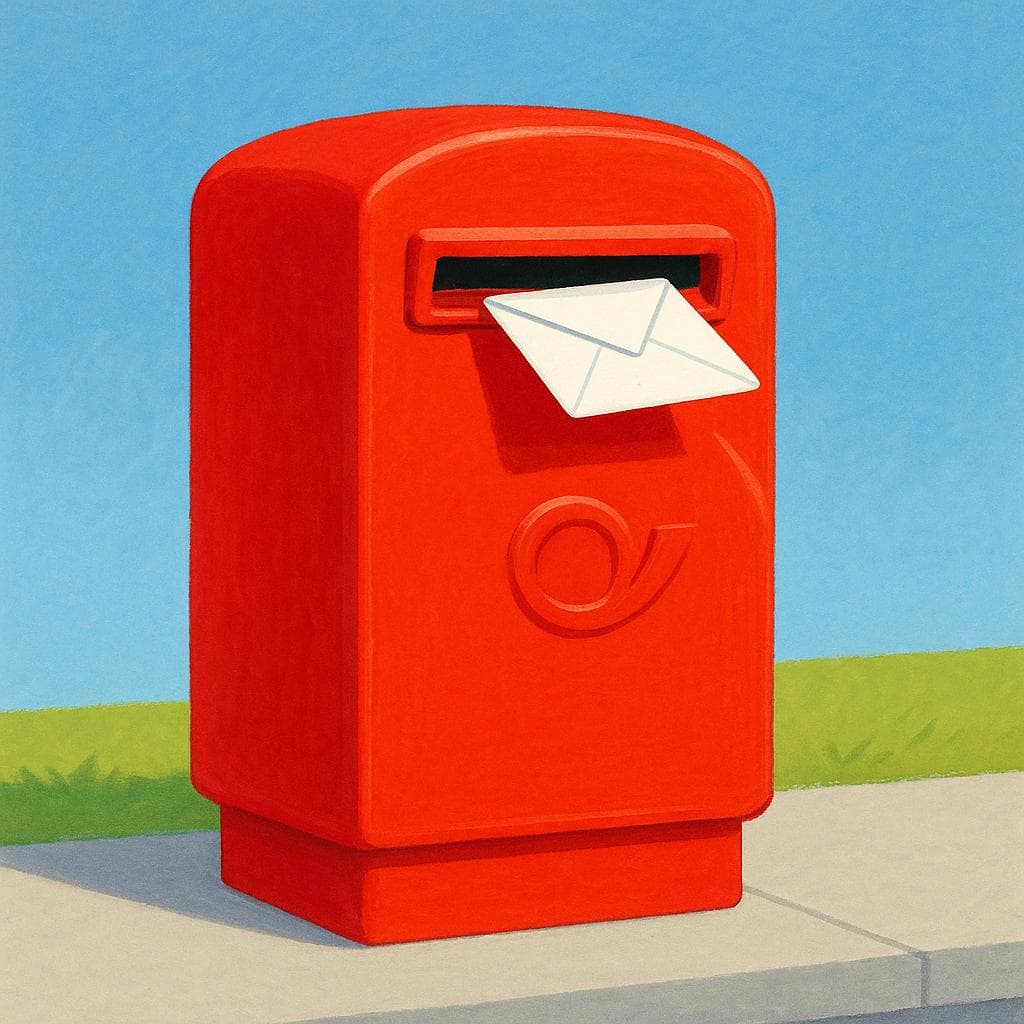
The most common Spanish word for “mail” is “correo” — use 'correo' when referring to the physical letters and packages that are delivered by a postal service.

correo
koh-RREH-ohkoˈreo
Examples
Recibí mucho correo hoy.
I received a lot of mail today.
El cartero trae el correo a las diez de la mañana.
The mailman brings the mail at ten in the morning.
Tengo que firmar para recibir este correo certificado.
I have to sign to receive this registered mail.
Using Plural for Quantity
Mistake: “Muchos correos”
Correction: Mucho correo. The word 'correo' often acts like a mass noun (like 'water' or 'sand') when referring to the general delivery, even if it contains many letters.
carta
KAR-tahˈkaɾta
Examples
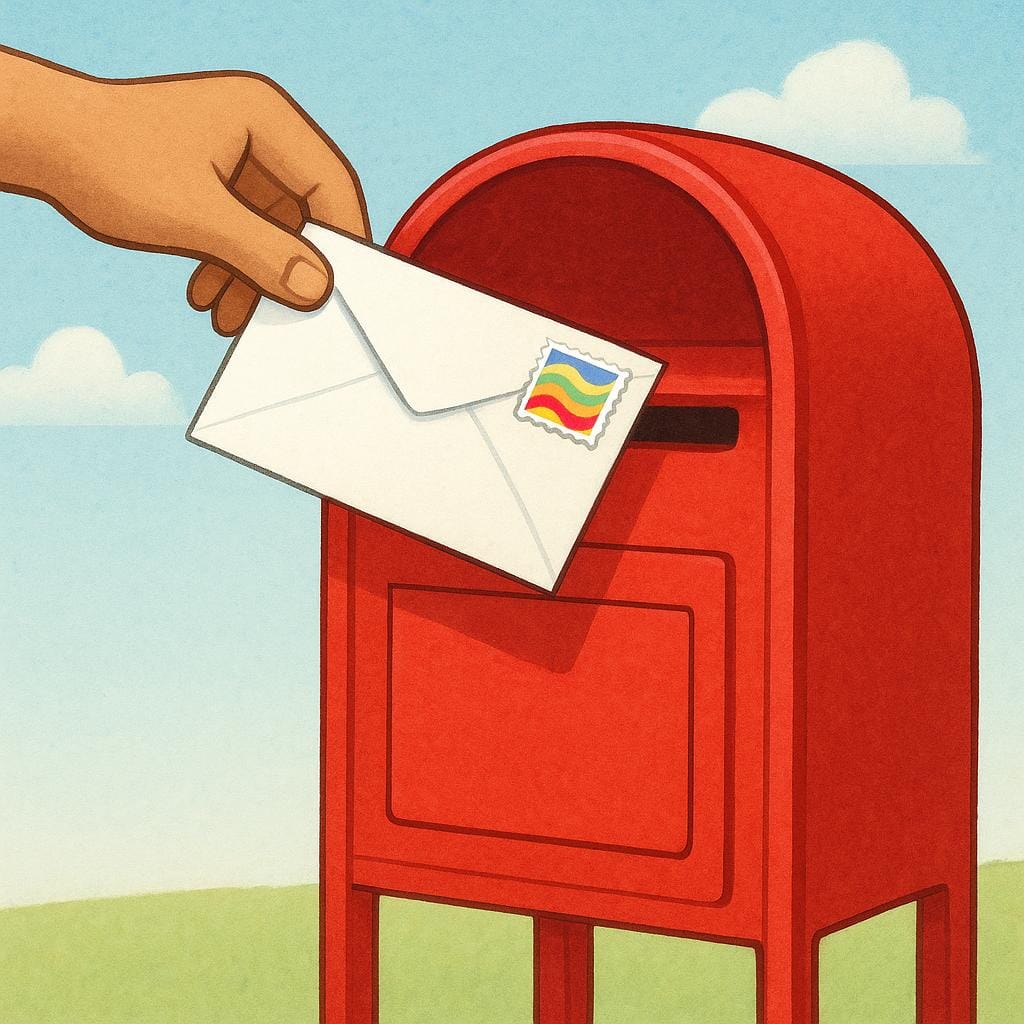
Le envié una carta a mi amigo.
I sent a letter to my friend.
Escribo una carta para mi abuela.
I'm writing a letter to my grandmother.
¿Has recibido alguna carta hoy?
Have you received any mail today?
Envió la solicitud por carta certificada para estar seguro.
He sent the application by registered letter to be sure.
Always Feminine
No matter what kind of 'carta' you're talking about, it's always a feminine word. So, you'll always say 'la carta' or 'una carta'.
'Carta' vs. 'Letra'
Mistake: “Quiero escribir una letra a mi amigo.”
Correction: Quiero escribir una carta a mi amigo. 'Letra' means a letter of the alphabet (like A, B, C), while 'carta' is the message you mail.
correspondencia
koh-rrehs-pohn-DEHN-syahkoresponˈdensja

Examples
La correspondencia importante se guarda en el archivo.
Important mail is kept in the file.
Reviso la correspondencia todas las mañanas al llegar a la oficina.
I check the mail every morning when I get to the office.
Toda la correspondencia oficial debe ser archivada.
All official correspondence must be filed.
He perdido una pieza importante de mi correspondencia bancaria.
I have lost an important piece of my bank mail.
Always Feminine
Words ending in '-encia' are almost always feminine. Always use 'la', 'una', or feminine adjectives with it.
Collective Noun
You can use this in the singular to talk about a whole stack of letters or emails at once.
Gender confusion
Mistake: “El correspondencia es privado.”
Correction: La correspondencia es privada. Remember that the -a at the end and the -encia ending signal it is a feminine word.
postal
po-stalposˈtal
Examples
Necesito tu dirección y código postal.
I need your address and postal code.
¿Cuál es tu código postal? Lo necesito para el envío.
What is your zip code/postal code? I need it for the shipment.
La oficina postal está cerrada los domingos.
The post office is closed on Sundays.
Adjective Placement
As an adjective, 'postal' usually follows the noun it describes, such as in 'código postal' (postal code) or 'oficina postal' (post office).
Correo vs. Carta
Related Translations
Learn Spanish with Inklingo
Interactive stories, personalized learning, and more.