How to Say "mass" in Spanish
The most common Spanish word for “mass” is “masa” — use 'masa' when referring to the physical property of matter, like in physics or chemistry.



masa
MAH-sahˈma.sa

Examples
La masa de un objeto no cambia, sin importar dónde se encuentre.
The mass of an object does not change, regardless of where it is located.
Hay una gran masa de hielo flotando en el océano.
There is a large mass of ice floating in the ocean.
Masa vs. Peso
In science, 'masa' is the amount of matter in something, while 'peso' (weight) is the force of gravity pulling on that matter. In everyday Spanish, people often use 'peso' when they mean 'masa' (like asking '¿cuánto pesa?' instead of '¿cuál es su masa?').
cantidad
kahn-tee-DAHDkan.tiˈðað

Examples
Había una cantidad de gente esperando para entrar al concierto.
There were masses of people waiting to enter the concert.
Tenemos una buena cantidad de trabajo pendiente para mañana.
We have a good deal of work pending for tomorrow.
Replacing 'Mucho'
In informal contexts, especially when paired with 'una' (una cantidad de), this word functions as an intensifier, meaning 'lots of' or 'a huge number of,' similar to the simpler word 'mucho'.
masivo
ma-SEE-bohmaˈsiβo

Examples
Hubo una protesta masiva en el centro de la ciudad.
There was a massive protest in the city center.
La empresa anunció despidos masivos hoy.
The company announced massive layoffs today.
Los medios de comunicación masivos influyen en la opinión pública.
Mass media outlets influence public opinion.
Matching the Ending
Remember to change the ending to 'masiva' if the thing you are describing is feminine, like 'una respuesta masiva' (a massive response).
Where to Put the Word
This word usually comes after the person or thing it describes. For example, say 'evento masivo' instead of 'masivo evento'.
Masivo vs. Grande
Mistake: “Using 'masivo' to describe a big dog or a big house.”
Correction: Use 'grande' or 'enorme' for physical size. Use 'masivo' for things involving many people or items, like a concert or a data leak.
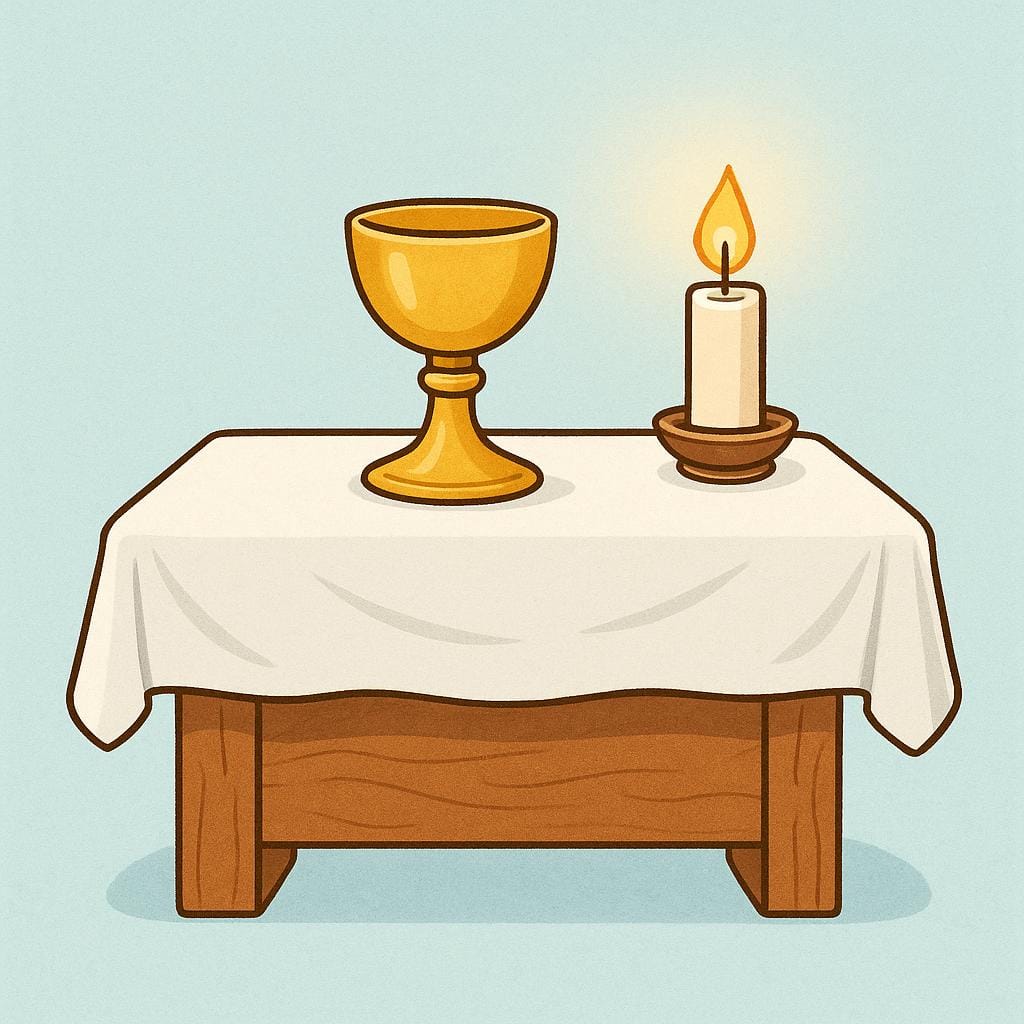
misa
MEE-sahˈmi.sa
Examples
Todos los domingos vamos a misa a las diez.
Every Sunday we go to Mass at ten o'clock.
La misa de medianoche se llama 'Misa de Gallo' en muchos países.
The midnight Mass is called 'Rooster's Mass' in many countries.
El sacerdote ofició la misa en la pequeña capilla del pueblo.
The priest officiated the service in the town's small chapel.
Gender Alert
Even though it ends in 'a,' remember that 'misa' is a feminine noun, so you use 'la misa' or 'una misa'.
Using the wrong preposition
Mistake: “Vamos en misa.”
Correction: Vamos a misa. Use the preposition 'a' (to) when talking about attending the service.
Mass vs. Misa
Learn Spanish with Inklingo
Interactive stories, personalized learning, and more.