How to Say "missing" in Spanish
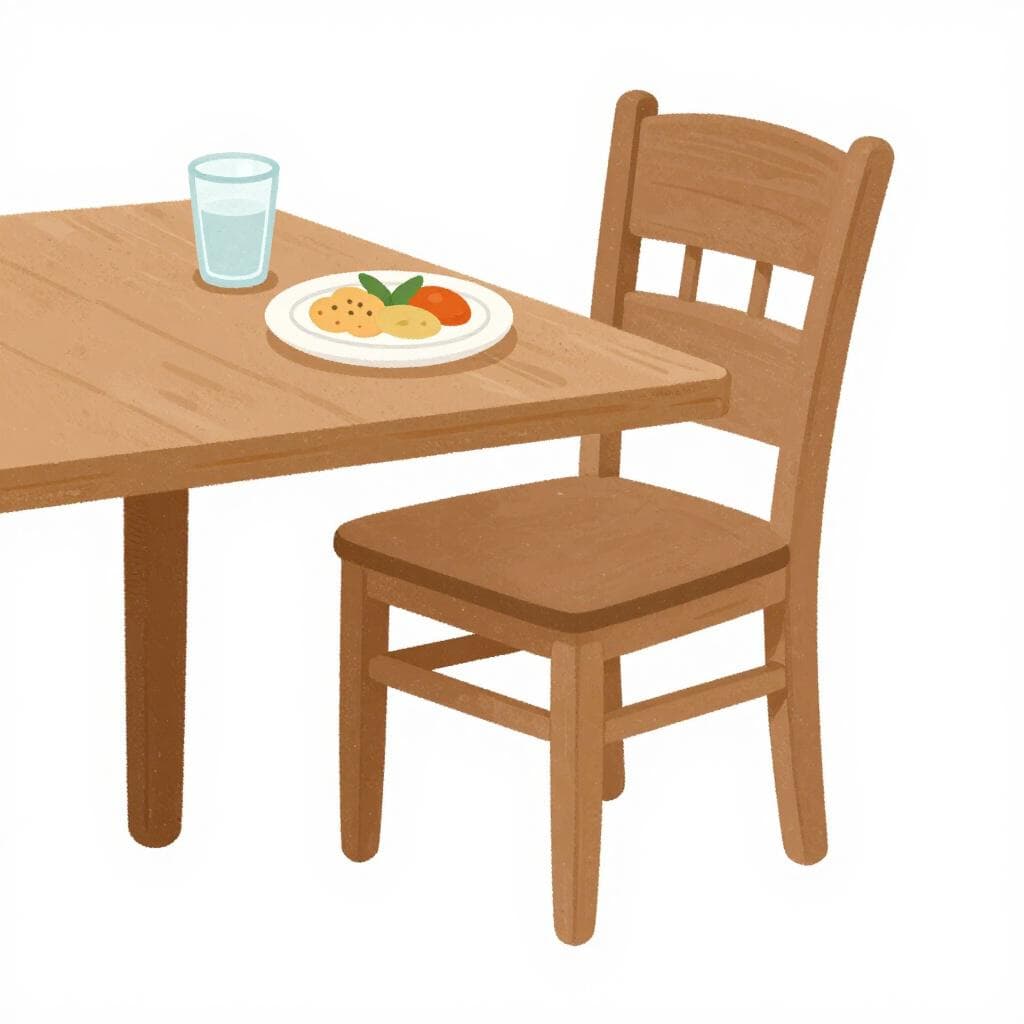
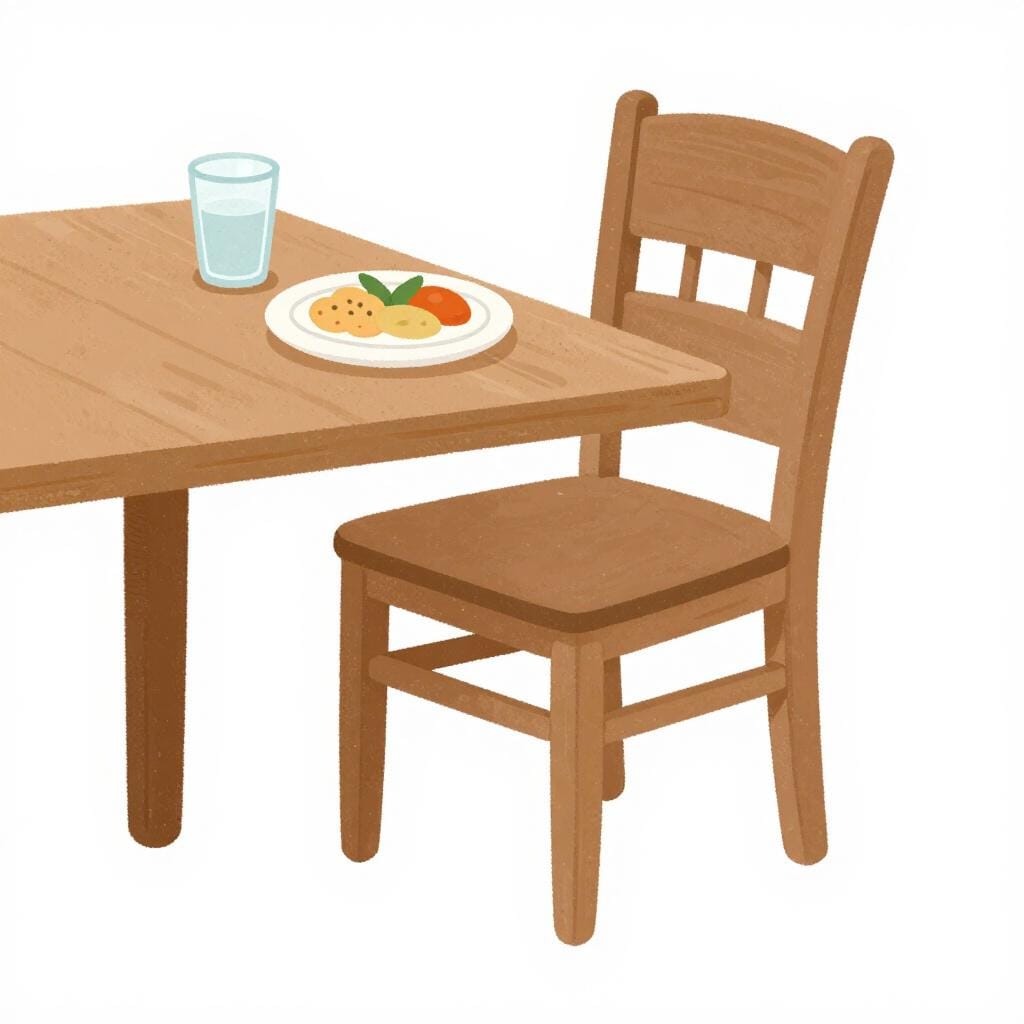
The most common Spanish word for “missing” is “ausente” — use 'ausente' when referring to a person or thing that is not present when they are expected to be, like a student not in class.

ausente
ow-SEN-tehau̯ˈsente
Examples
Tres estudiantes están ausentes hoy.
Three students are absent today.
Mi padre estuvo ausente durante gran parte de mi infancia.
My father was away during much of my childhood.
One word for everyone
This word doesn't change based on gender. You can use it for both men and women without changing the ending.
Choosing the right 'to be'
Mistake: “Soy ausente.”
Correction: Estoy ausente. Use 'estar' because being absent is usually a temporary state, not a permanent personality trait.
perdido
pehr-DEE-dohpeɾˈdi.ðo

Examples
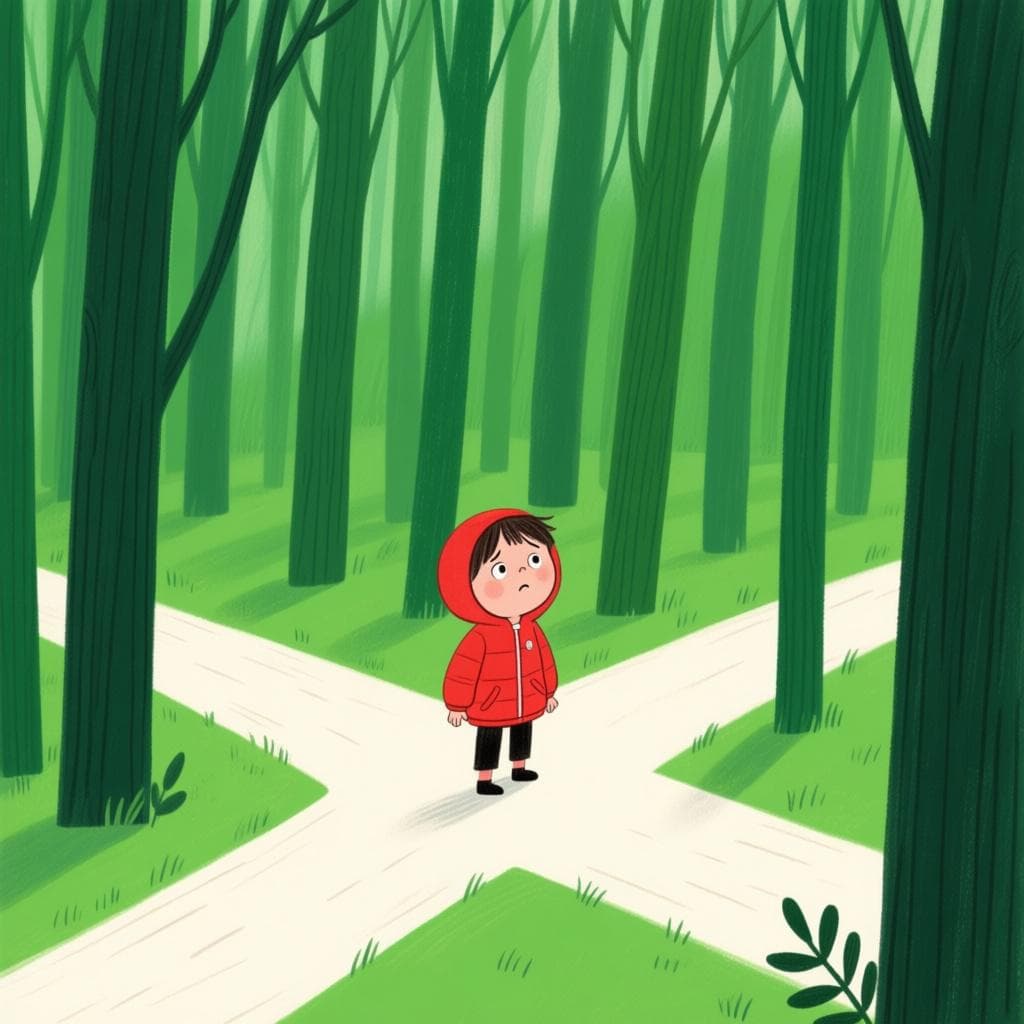
Creo que estamos perdidos. ¿Tienes un mapa?
I think we're lost. Do you have a map?
He buscado por todas partes, pero mi libro sigue perdido.
I've looked everywhere, but my book is still missing.
Matches the Noun
As an adjective, 'perdido' changes to match the person or thing it describes. Use 'perdida' for feminine things, and add an '-s' for plural things ('perdidos', 'perdidas').
Use with 'Estar'
To say something or someone is lost, you'll almost always use the verb 'estar' (e.g., 'El gato está perdido'), because being lost is a temporary state, not a permanent characteristic.
Using 'Ser' instead of 'Estar'
Mistake: “Mi cartera es perdida.”
Correction: Mi cartera está perdida. Use 'estar' for the temporary state of being lost. Saying 'es perdida' sounds very unnatural.
desaparecido
des-ah-pah-reh-SEE-dohdesapaɾeˈsiðo

Examples
El collar de oro está desaparecido desde anoche.
The gold necklace has been missing since last night.
Encontraron el coche desaparecido a pocos kilómetros de la ciudad.
They found the vanished car a few kilometers from the city.
Gender and Number Agreement
Since this is an adjective (it describes a noun), it must change its ending to match the thing it is describing: 'la cartera desaparecida' (feminine, singular) or 'los documentos desaparecidos' (masculine, plural).
Using the Wrong Verb
Mistake: “Using 'ser' instead of 'estar' (El libro es desaparecido).”
Correction: Use 'estar' (El libro está desaparecido). Being missing is a temporary state, not a permanent quality of the book.
Lost vs. Absent
Related Translations
Learn Spanish with Inklingo
Interactive stories, personalized learning, and more.