How to Say "mistaken" in Spanish
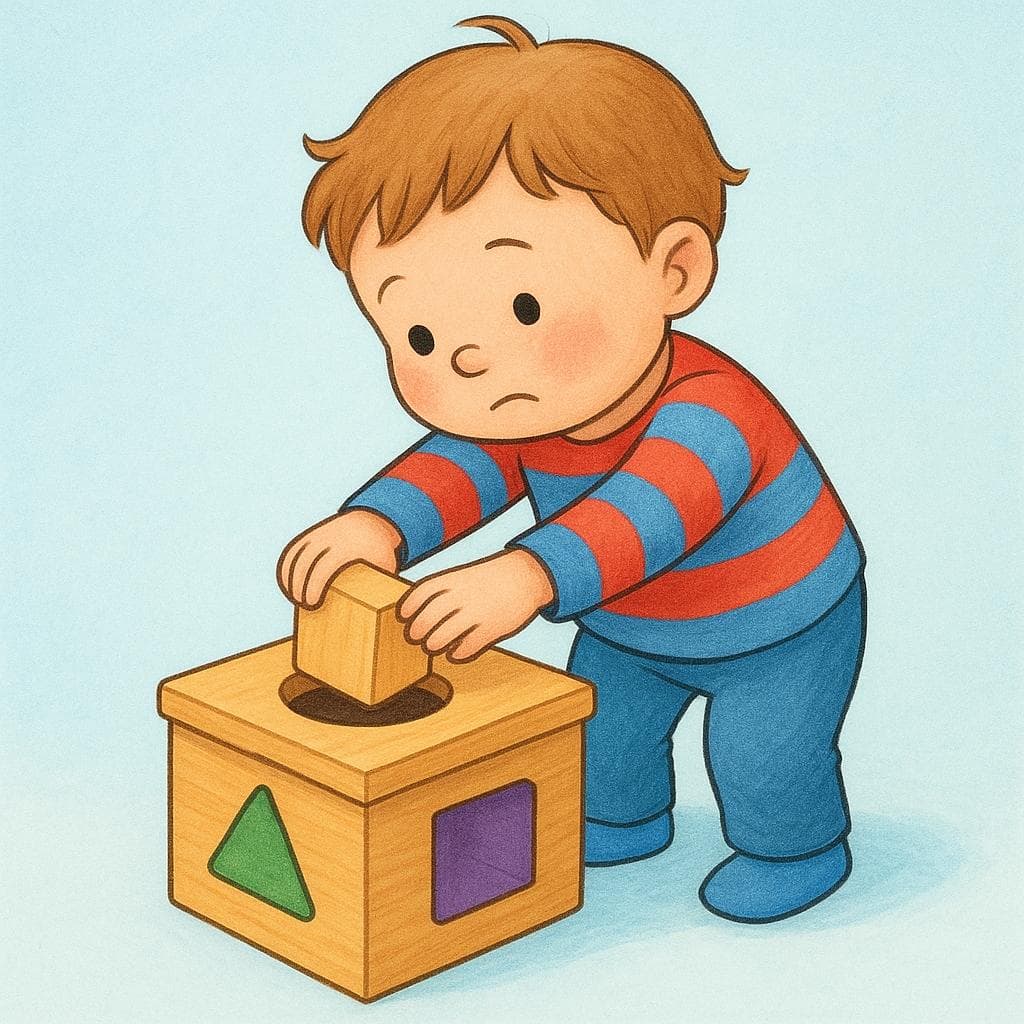
The most common Spanish word for “mistaken” is “confundido” — use 'confundido' when someone is mentally mixed up, bewildered, or has made a personal error in understanding or action.
confundido
con-foon-DEE-dohkon.funˈdi.ðo
Examples
Estaba tan confundido que no sabía qué responder.
I was so confused that I didn't know what to answer.
Ella cree que la fecha está confundida con la de la semana pasada.
She thinks the date is mixed up with last week's date.
Si ves a alguien confundido, ayúdale.
If you see someone bewildered, help them.
Adjective Agreement
Like all Spanish adjectives, 'confundido' must change its ending to match the person or thing it describes: confundida (f), confundidos (m. pl.), confundidas (f. pl.).
State vs. Quality (Estar vs. Ser)
Since confusion is usually a temporary state or emotion, you almost always use the verb estar with 'confundido'. Using ser (e.g., Soy confundido) is grammatically incorrect for this meaning.
Using Ser instead of Estar
Mistake: “La profesora es confundida.”
Correction: La profesora está confundida. (Use *estar* because confusion is a temporary state.)
equivocado
eh-kee-boh-KAH-dohekiβoˈkaðo
Examples
Creo que estás equivocado. La reunión es mañana.
I think you're wrong. The meeting is tomorrow.
Tomé el autobús equivocado y llegué tarde.
I took the wrong bus and arrived late.
Marcaste el número de teléfono equivocado.
You dialed the wrong phone number.
Me he equivocado de calle.
I have taken the wrong street.
Use with 'Estar', not 'Ser'
To say someone is wrong, always use the verb 'estar' (e.g., 'Estás equivocado'). Think of being wrong as a temporary state or condition, which is what 'estar' is for.
Matches the Noun
Like most Spanish adjectives, 'equivocado' changes its ending to match the person or thing it describes. Use 'equivocada' for feminine things (la respuesta equivocada) and 'equivocados/as' for plural things (los amigos equivocados).
Team Up with 'Haber'
This form is the partner of the verb 'haber' (to have). Together, they form tenses that talk about completed actions, like 'he equivocado' (I have made a mistake).
The Ending Stays '-o'
When you use 'equivocado' with the verb 'haber', the ending always stays '-o'. It doesn't change for masculine/feminine or singular/plural. For example: 'Ella ha equivocado' and 'Ellos han equivocado'.
Using 'Ser' instead of 'Estar'
Mistake: “Soy equivocado.”
Correction: Estoy equivocado. Being mistaken is a state you are in, not a permanent part of who you are. That's why we use 'estar'.
Forgetting to change the ending
Mistake: “La información está equivocado.”
Correction: La información está equivocada. Since 'información' is a feminine word, the adjective describing it also needs to have the feminine '-a' ending.
Changing the ending after 'haber'
Mistake: “Ella se ha equivocada.”
Correction: Ella se ha equivocado. When used with 'haber' to talk about a past action, the participle always ends in '-o', no matter who did the action.
equivocado
Examples
Me he equivocado de calle.
I have taken the wrong street.
erróneo
Examples
Los datos que recibimos son erróneos.
The data we received are wrong.
Confusing 'Equivocado' and 'Erróneo'
Related Translations
Learn Spanish with Inklingo
Interactive stories, personalized learning, and more.