How to Say "wrong" in Spanish
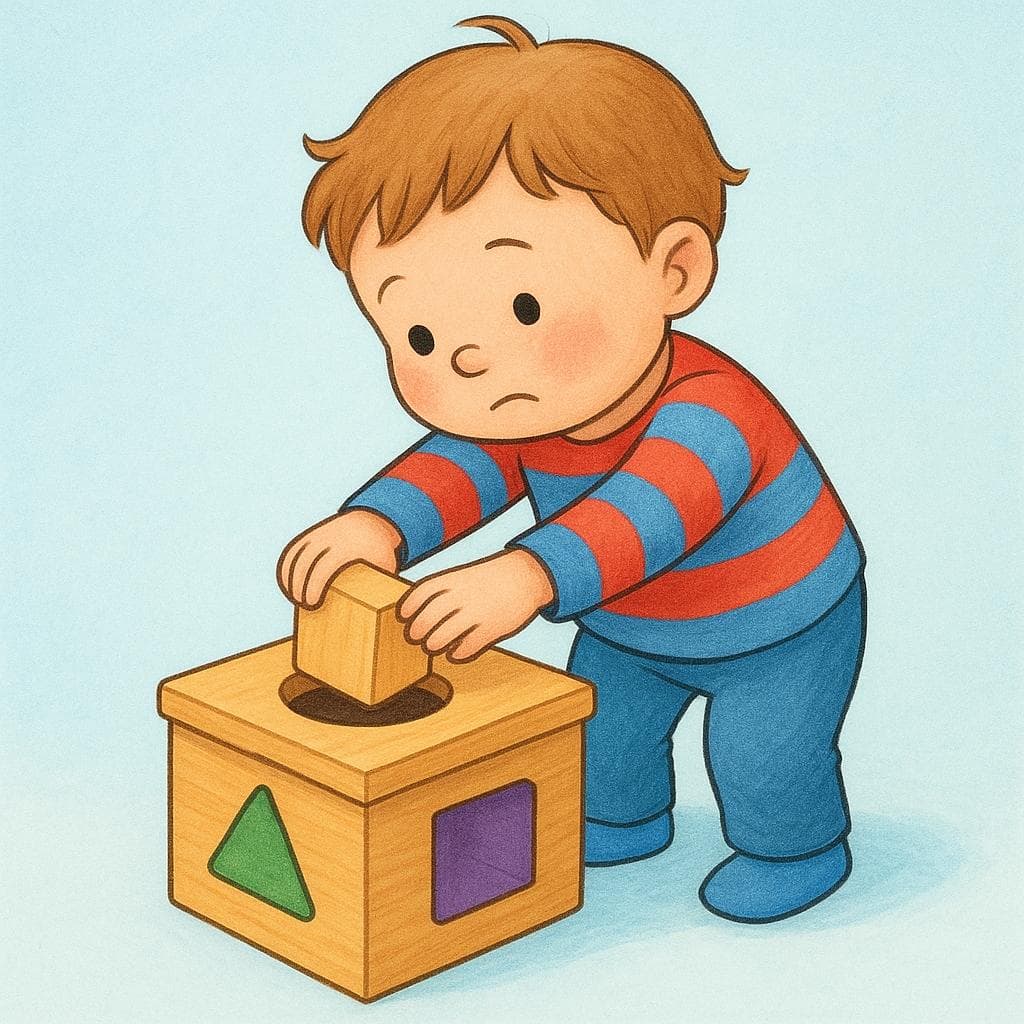
The most common Spanish word for “wrong” is “incorrecto” — use 'incorrecto' when something is factually mistaken or inaccurate, like a wrong number or a wrong answer.






incorrecto
een-koh-RREK-tohiŋkoˈrekto

Examples
El número de teléfono es incorrecto.
The phone number is wrong.
Ese resultado es incorrecto, intenta de nuevo.
That result is incorrect, try again.
Muchos estudiantes cometen el mismo error porque el ejemplo es incorrecto.
Many students make the same mistake because the example is wrong.
Matching the word it describes
Since this word ends in '-o', it must change to 'incorrecta' if the thing you are describing is feminine (like 'la respuesta' or 'la clave').
Placing the word
In Spanish, you usually place this word after the thing it describes. Say 'un código incorrecto' instead of 'un incorrecto código'.
Using 'malo' for 'wrong'
Mistake: “La respuesta es mala.”
Correction: La respuesta es incorrecta (or 'está mal'). Use 'incorrecto' for facts and 'malo' for quality or character.
falso
FAHL-sohˈfalso

Examples
Esa noticia es completamente falsa.
That news is completely false.
¿Es verdadero o falso que la capital de Chile es Santiago?
Is it true or false that the capital of Chile is Santiago?
El rumor era falso, nadie perdió su trabajo.
The rumor was untrue; nobody lost their job.
Adjective Agreement
Remember that 'falso' must match the thing it describes. If you are talking about a feminine word like 'historia' (story), you must say 'falsa' ('una historia falsa').
Falso vs. Equivocado
Mistake: “Usar 'falso' para describir a una persona que cometió un error (e.g., 'El estudiante está falso').”
Correction: Use 'equivocado' when a person is wrong or mistaken ('El estudiante está equivocado'). 'Falso' is usually reserved for things or for people who are deceitful (see next definition).
mal
malmal

Examples
Duermo muy mal por la noche.
I sleep very badly at night.
El examen me salió mal.
The exam went badly for me.
Perdón, entendí mal.
Sorry, I understood wrong.
Describing Actions: `mal` vs. `malo`
mal is used to describe how an action is done (it's an adverb). It answers 'how?'. For example, 'Canto mal' (I sing badly). It never changes its form.
Mixing up `mal` and `malo`
Mistake: “Yo cocino malo.”
Correction: Yo cocino mal. To describe a verb (an action like 'cocinar'), always use 'mal'. 'Malo' is used to describe nouns (things or people).
equivocado
eh-kee-boh-KAH-dohekiβoˈkaðo
Examples
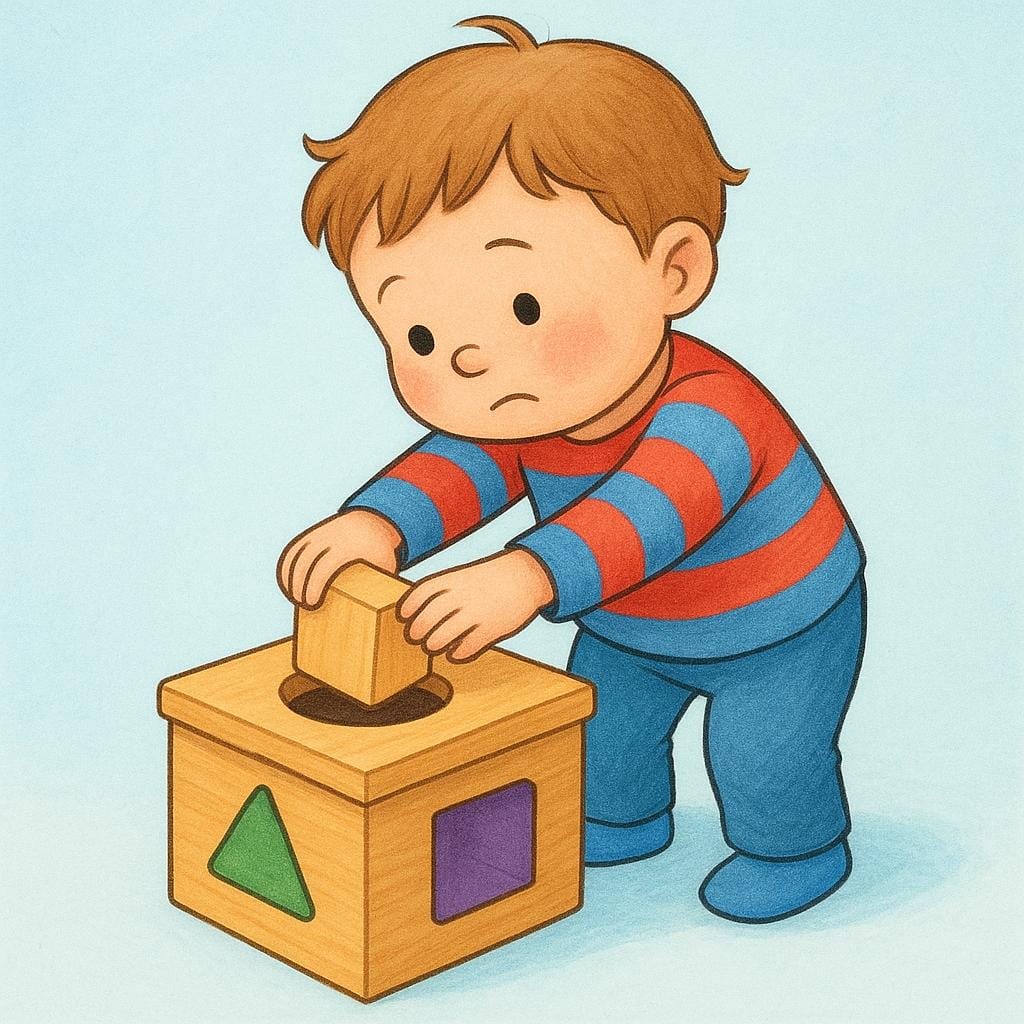
Creo que estás equivocado. La reunión es mañana.
I think you're wrong. The meeting is tomorrow.
Tomé el autobús equivocado y llegué tarde.
I took the wrong bus and arrived late.
Marcaste el número de teléfono equivocado.
You dialed the wrong phone number.
Use with 'Estar', not 'Ser'
To say someone is wrong, always use the verb 'estar' (e.g., 'Estás equivocado'). Think of being wrong as a temporary state or condition, which is what 'estar' is for.
Matches the Noun
Like most Spanish adjectives, 'equivocado' changes its ending to match the person or thing it describes. Use 'equivocada' for feminine things (la respuesta equivocada) and 'equivocados/as' for plural things (los amigos equivocados).
Using 'Ser' instead of 'Estar'
Mistake: “Soy equivocado.”
Correction: Estoy equivocado. Being mistaken is a state you are in, not a permanent part of who you are. That's why we use 'estar'.
Forgetting to change the ending
Mistake: “La información está equivocado.”
Correction: La información está equivocada. Since 'información' is a feminine word, the adjective describing it also needs to have the feminine '-a' ending.
injusto
een-HOO-stohinˈxusto

Examples
Pienso que es injusto que solo yo tenga que limpiar la cocina.
I think it's unfair that only I have to clean the kitchen.
El castigo fue injusto porque él no había hecho nada malo.
The punishment was unjust because he hadn't done anything wrong.
La ley parece injusta para los ciudadanos más pobres.
The law seems unfair to the poorest citizens.
Changing the Ending
Like most Spanish adjectives, 'injusto' changes its ending to match the thing it describes. Use 'injusta' for feminine words (la regla injusta) and add 's' for plural (los castigos injustos).
erróneo
Examples
Los datos que recibimos son erróneos.
The data we received are wrong.
injusticia
een-hoos-TEE-syahinxusˈtisja

Examples
Es una injusticia que no me dejen ir a la fiesta.
It's an injustice that they won't let me go to the party.
Debemos luchar contra la injusticia social en nuestras ciudades.
We must fight against social injustice in our cities.
El abogado denunció la injusticia cometida durante el juicio.
The lawyer denounced the injustice committed during the trial.
The '-cia' Ending
Words that end in '-cia' like 'injusticia' are almost always feminine. Always pair it with 'la' or 'una'.
Abstract Nouns
When talking about 'injustice' in general, Spanish usually uses the article 'la'. For example: 'La injusticia es mala' (Injustice is bad).
Noun vs. Adjective
Mistake: “Eso es muy injusticia.”
Correction: Eso es una injusticia (That is an injustice) or Eso es muy injusto (That is very unfair).
Choosing the right verb
Mistake: “Hacer una injusticia.”
Correction: Cometer una injusticia.
torcido
tor-SEE-dohtoɾˈθiðo

Examples
Ese político tiene un pasado muy torcido.
That politician has a very crooked past.
Todo el plan se salió torcido desde el principio.
The whole plan went wrong from the start.
A veces la vida te da un camino torcido.
Sometimes life gives you a difficult/unlucky path.
Factually Wrong vs. Morally Wrong
Related Translations
Learn Spanish with Inklingo
Interactive stories, personalized learning, and more.