How to Say "mystery" in Spanish
The most common Spanish word for “mystery” is “misterio” — use 'misterio' for general unknowns, puzzles, or things that are hard to figure out, as well as for religious concepts that are beyond human understanding.
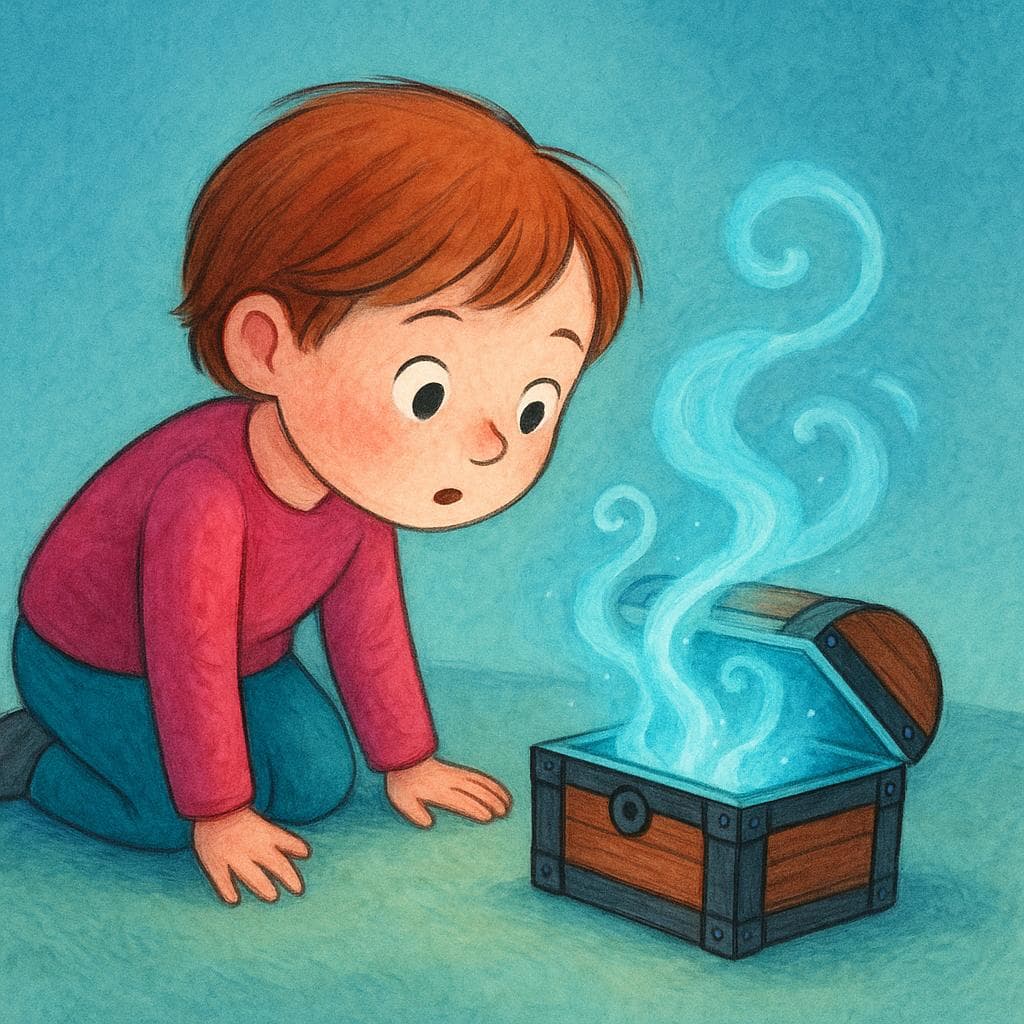
Use 'misterio' for general unknowns, puzzles, or things that are hard to figure out, as well as for religious concepts that are beyond human understanding.
Learn more →
Choose 'enigma' when referring to something or someone that is deeply puzzling, complex, and difficult to understand or explain.
Learn more →
Use 'intriga' specifically when you want to talk about suspense, curiosity, or the element of mystery in a plot or situation.
Learn more →mis-TEH-ryohmisˈte.rjo
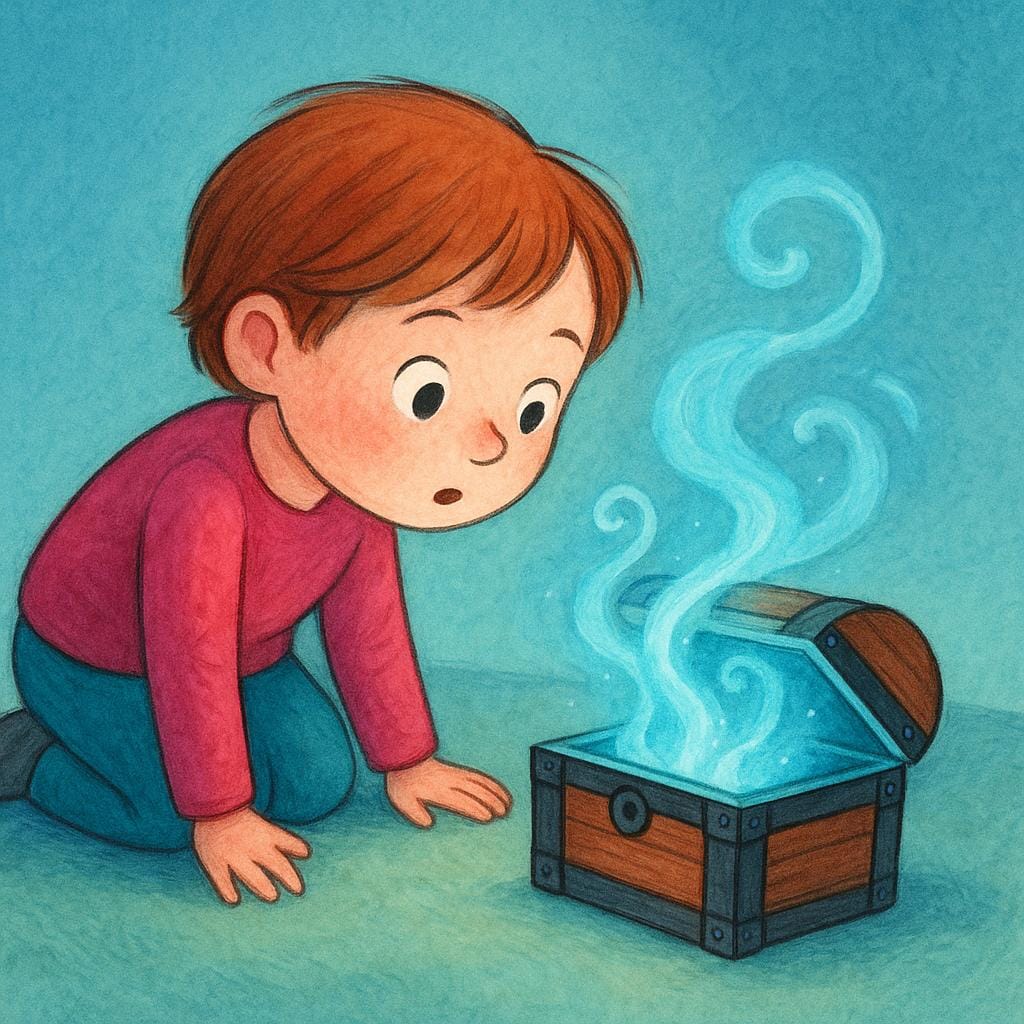
Examples
¿Quién se comió el último trozo de pastel? ¡Es un misterio!
Who ate the last piece of cake? It's a mystery!
El detective resolvió el misterio del collar robado en solo dos días.
The detective solved the mystery of the stolen necklace in only two days.
Para mí, cómo funciona el internet sigue siendo un completo misterio.
For me, how the internet works is still a complete mystery.
La Santísima Trinidad es el misterio central de la fe católica.
The Holy Trinity is the central mystery of the Catholic faith.
Gender Rule
Even though many Spanish nouns ending in -a are feminine, 'misterio' ends in -o and is masculine. Always use the masculine article: 'el misterio', 'un misterio'.
Mixing up 'misterio' and 'secreto'
Mistake: “Usar 'misterio' cuando se refiere a información personal oculta.”
Correction: 'Misterio' usually refers to a puzzle or a general unknown truth (like the universe). Use 'secreto' for personal, hidden information (e.g., 'Tengo un secreto').
eh-NEE-maheˈniɡma

Examples
Su vida privada siempre ha sido un enigma para la prensa.
His private life has always been an enigma to the press.
Resolver el enigma del universo es el sueño de muchos científicos.
Solving the mystery of the universe is the dream of many scientists.
Nadie pudo descifrar el enigma que dejó el abuelo en su testamento.
No one could decipher the riddle that the grandfather left in his will.
The 'Ma' Rule
Even though this word ends in '-a', it is actually masculine. Always use masculine words like 'el' or 'un' with it.
Describing an Enigma
When you use adjectives to describe 'enigma', they must also be masculine (e.g., 'el enigma resuelto' not 'resuelta').
Using the wrong gender
Mistake: “La enigma es difícil.”
Correction: El enigma es difícil. Because this word comes from Greek, it uses masculine articles despite ending in 'a'.
een-TREE-gahinˈtɾiɣa

Examples
La película está llena de intriga de principio a fin.
The movie is full of mystery from beginning to end.
Me muero de la intriga por saber qué hay en la caja.
I'm dying of curiosity to know what's in the box.
Descubrieron una intriga política para ganar las elecciones.
They discovered a political plot to win the elections.
Always Feminine
Even though it ends in 'a', which is common for feminine words, remember to always use 'la' or 'una' with it.
The 'Curiosity' Connection
In English, 'intrigue' often sounds formal or related to spies, but in Spanish, 'tener intriga' is a very common way to simply say you are very curious about something.
Using 'el' instead of 'la'
Mistake: “El intriga de la historia es genial.”
Correction: La intriga de la historia es genial. (The word is feminine).
Misterio vs. Enigma vs. Intriga
The most common mistake is using 'enigma' or 'intriga' when a simple 'misterio' would suffice. Remember that 'misterio' is the broadest term for any unknown, while 'enigma' implies a deeper, more complex puzzle, and 'intriga' focuses on suspense.
Related Translations
Learn Spanish with Inklingo
Interactive stories, personalized learning, and more.