How to Say "plot" in Spanish
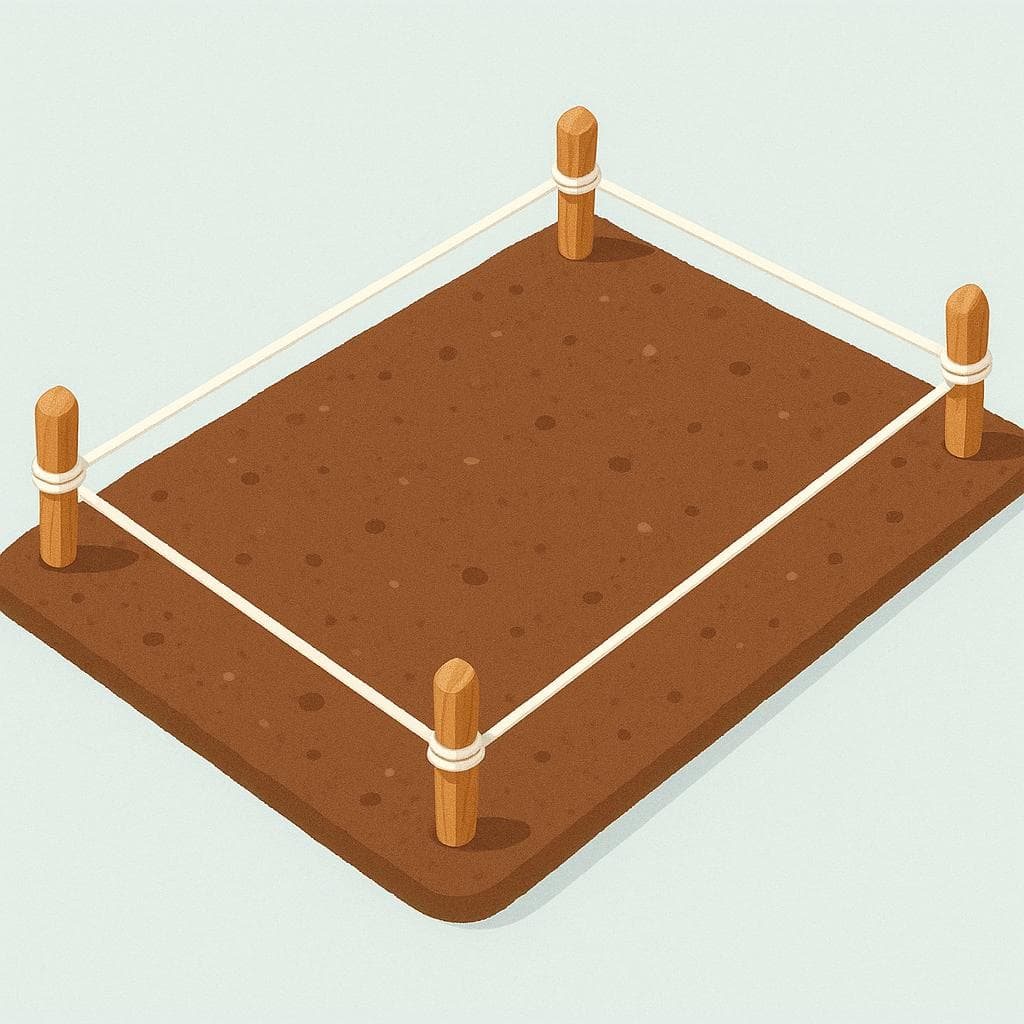
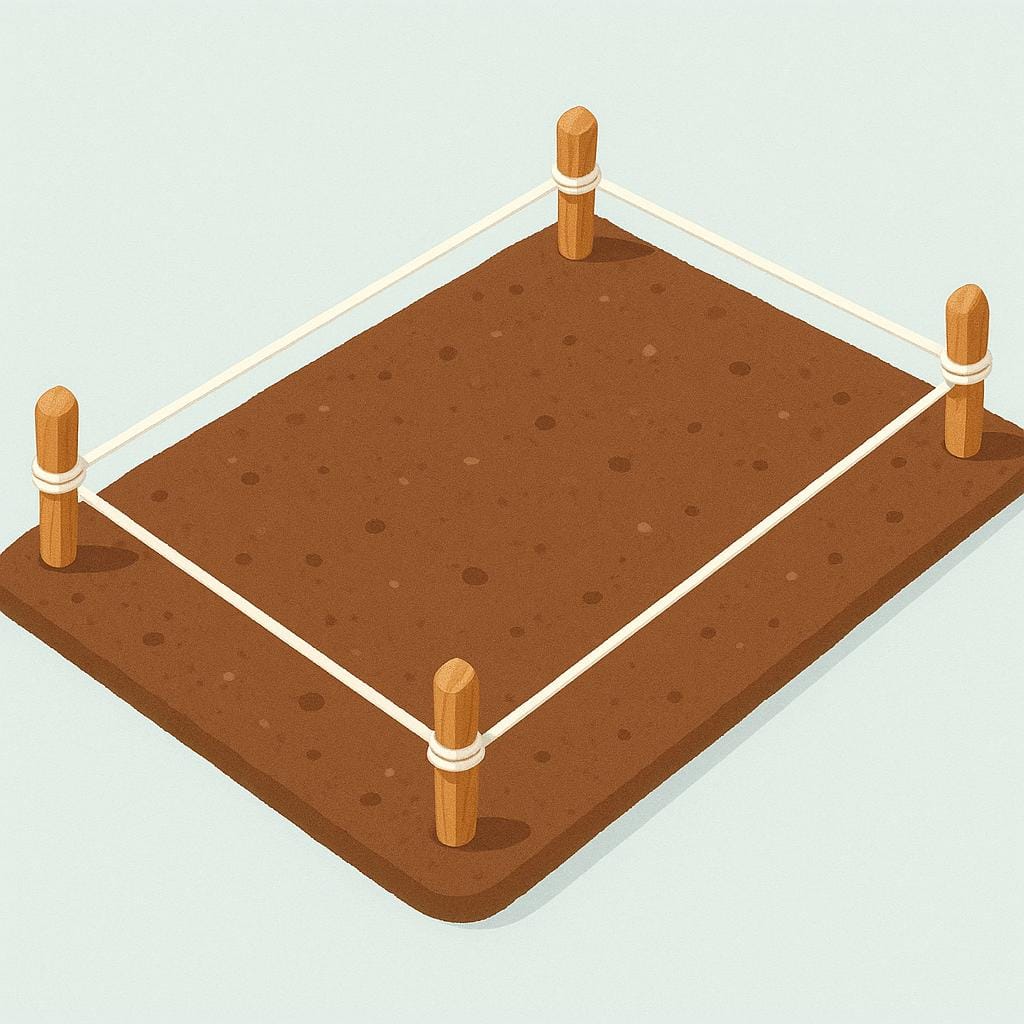
The most common Spanish word for “plot” is “terreno” — use this word exclusively when referring to a piece of land or a lot for sale or development.


terreno
teh-RREH-nohteˈreno
Examples
Compramos un terreno grande para construir la casa de mis sueños.
We bought a large plot of land to build my dream house.
El terreno en la montaña es muy rocoso y difícil de caminar.
The terrain in the mountain is very rocky and difficult to walk on.
Necesitamos nivelar el terreno antes de instalar la piscina.
We need to level the ground before installing the pool.
Gender Check
Remember that 'terreno' is masculine, so always use 'el terreno' or 'un terreno'.
Using 'tierra' for 'plot'
Mistake: “Quiero comprar una tierra.”
Correction: Quiero comprar un terreno. ('Tierra' is usually used for soil, the planet, or a general region.)
trama
TRAH-mahˈtɾama

Examples
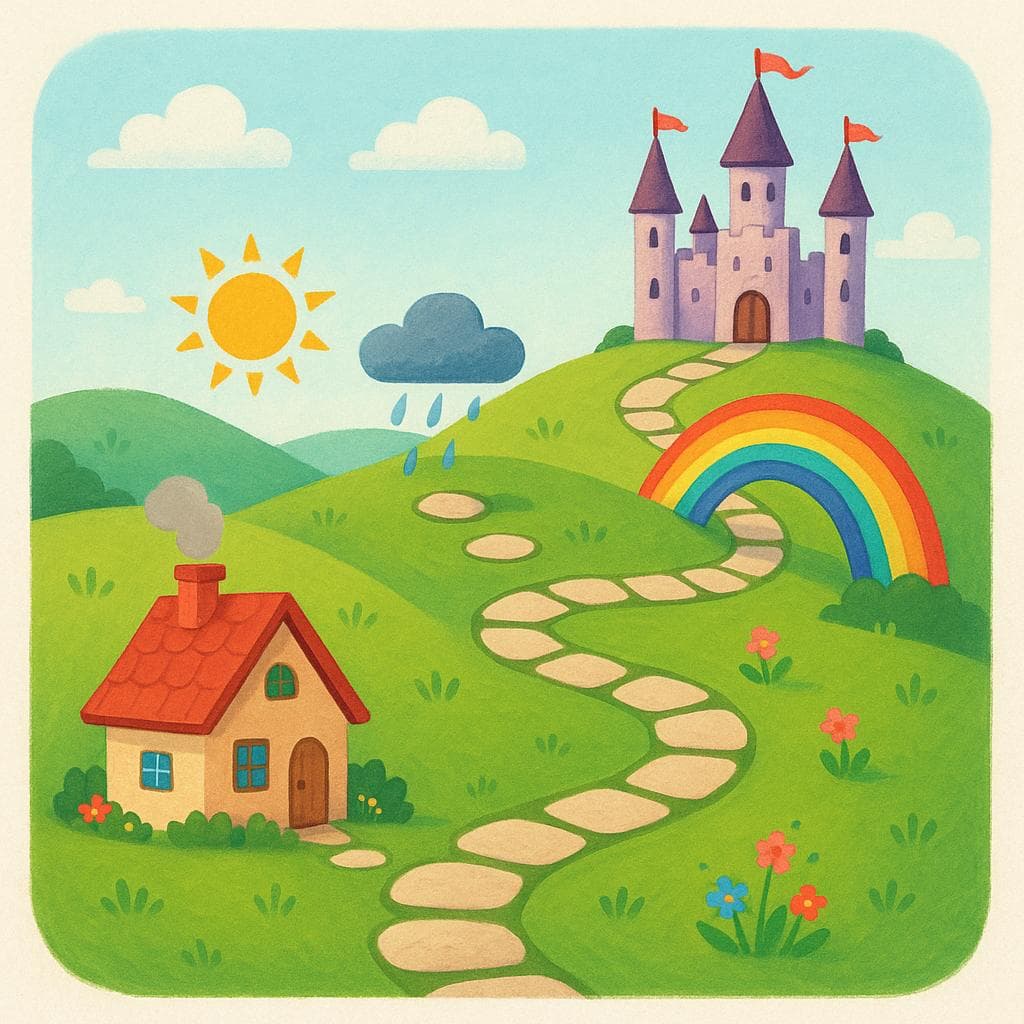
La trama de la película es muy original.
The movie's plot is very original.
Me perdí en la trama porque hay demasiados personajes.
I got lost in the plot because there are too many characters.
El autor sabe cómo mantener el suspense en la trama.
The author knows how to keep the suspense in the storyline.
Always Feminine
Even though it doesn't refer to a person, this word is always feminine. You should always use 'la' or 'una' with it, never 'el'.
Describing the Plot
When you want to say a plot is 'thick' or 'complicated,' Spanish speakers often use the word 'enrevesada' or 'compleja'.
Trama vs. Drama
Mistake: “La película tiene un drama muy bueno.”
Correction: La película tiene una trama muy buena.
argumento
ar-goo-MEN-tohaɾɣuˈmento
Examples
El argumento de la novela era tan complejo que me perdí.
The novel's plot was so complex that I got lost.
Necesito saber el argumento antes de ver la película.
I need to know the storyline before watching the movie.
acción
Examples
La acción de la película transcurre en el siglo XIX.
The plot of the movie takes place in the 19th century.
intriga
een-TREE-gahinˈtɾiɣa

Examples
La película está llena de intriga de principio a fin.
The movie is full of mystery from beginning to end.
Me muero de la intriga por saber qué hay en la caja.
I'm dying of curiosity to know what's in the box.
Descubrieron una intriga política para ganar las elecciones.
They discovered a political plot to win the elections.
Always Feminine
Even though it ends in 'a', which is common for feminine words, remember to always use 'la' or 'una' with it.
The 'Curiosity' Connection
In English, 'intrigue' often sounds formal or related to spies, but in Spanish, 'tener intriga' is a very common way to simply say you are very curious about something.
Using 'el' instead of 'la'
Mistake: “El intriga de la historia es genial.”
Correction: La intriga de la historia es genial. (The word is feminine).
complot
kom-PLOTkomˈplot
Examples
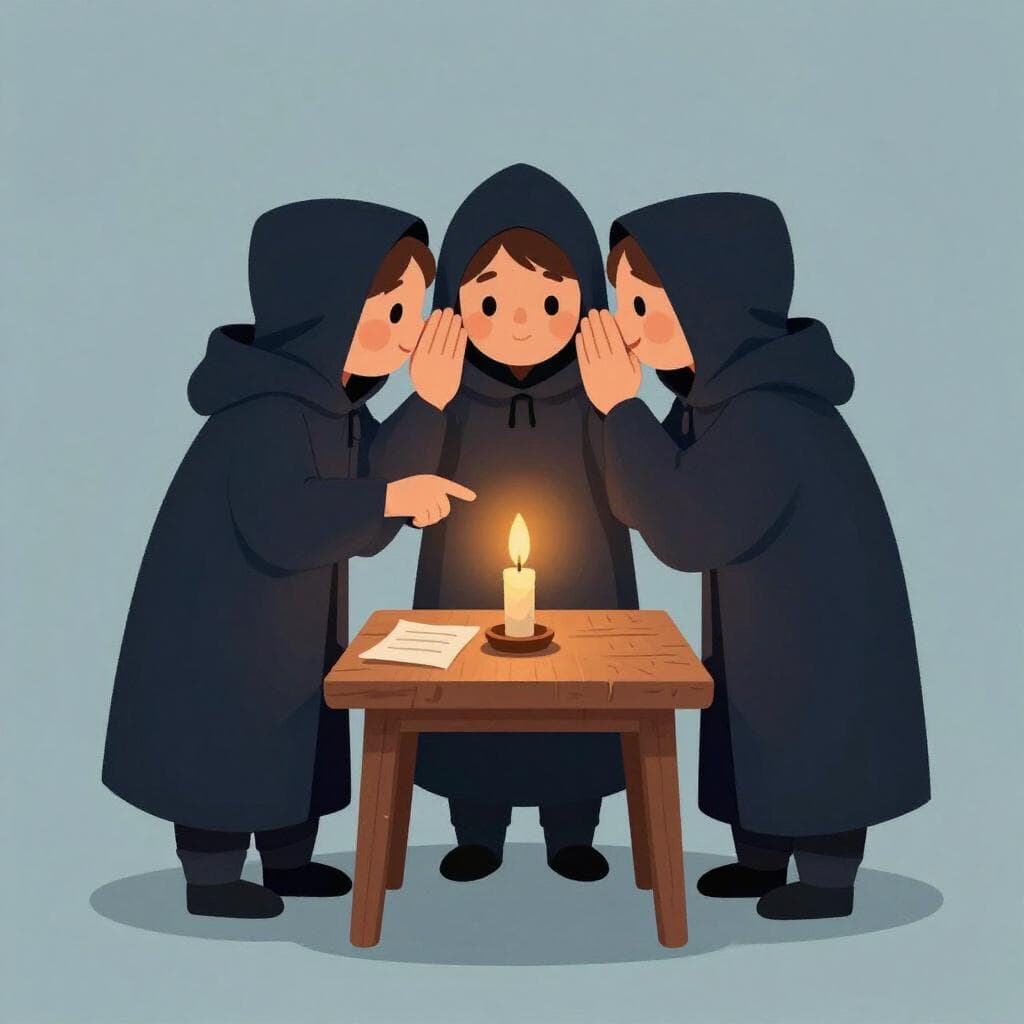
La policía descubrió un complot para robar el banco.
The police discovered a plot to rob the bank.
Muchos creen que la crisis fue parte de un complot político.
Many believe the crisis was part of a political conspiracy.
Ellos urdieron un complot secreto contra el director de la empresa.
They hatched a secret scheme against the company director.
Making it Plural
To make 'complot' plural, just add an 's' at the end: 'los complots'. Words ending in 't' are rare in Spanish, so this is an easy one to remember!
Always Masculine
Regardless of who is involved in the secret plan, the word is always masculine: 'el complot' or 'un complot'.
The 'Complaint' Trap
Mistake: “Using 'complot' to mean a 'complaint'.”
Correction: Use 'queja' for a complaint. 'Complot' only refers to a secret plan or conspiracy.
conspiración
Examples
La policía descubrió la conspiración para robar el banco central.
The police uncovered the conspiracy to rob the central bank.
Story vs. Scheme
Related Translations
Learn Spanish with Inklingo
Interactive stories, personalized learning, and more.