How to Say "older" in Spanish
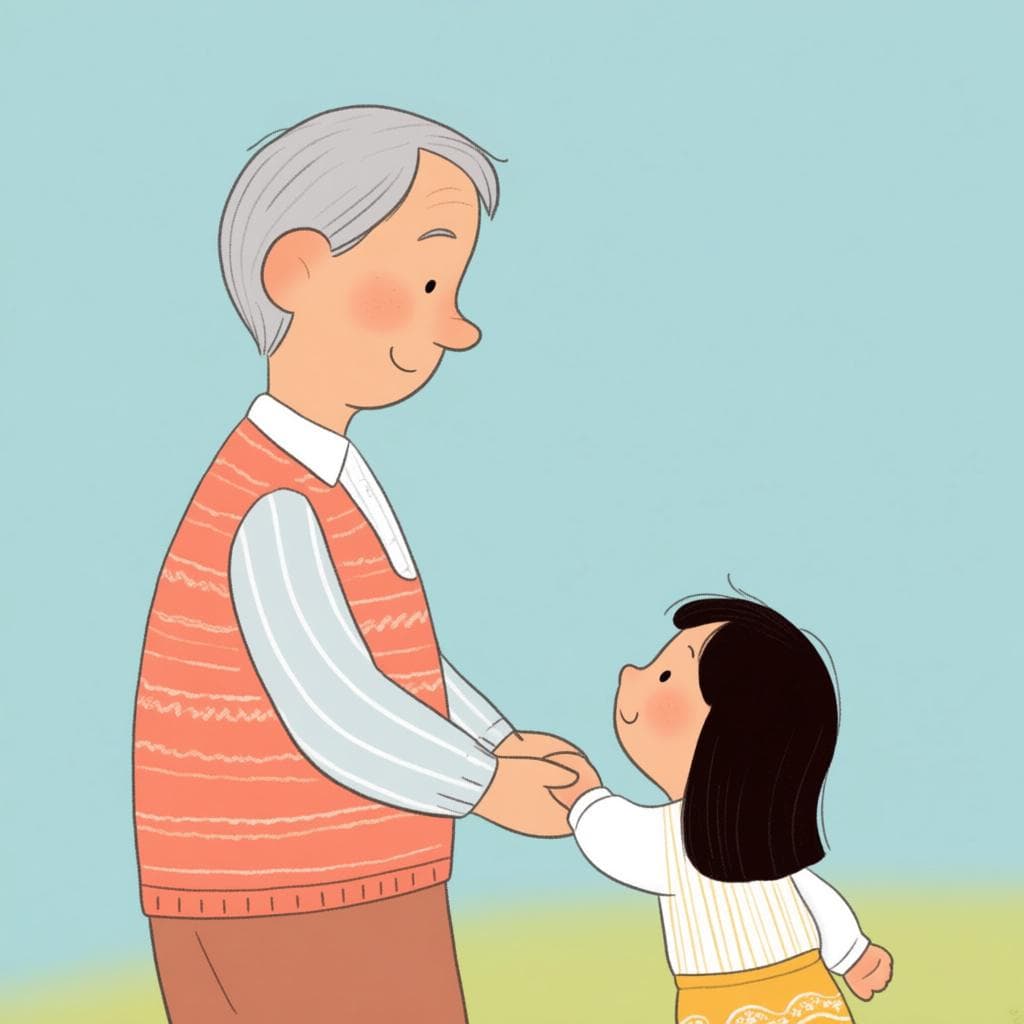
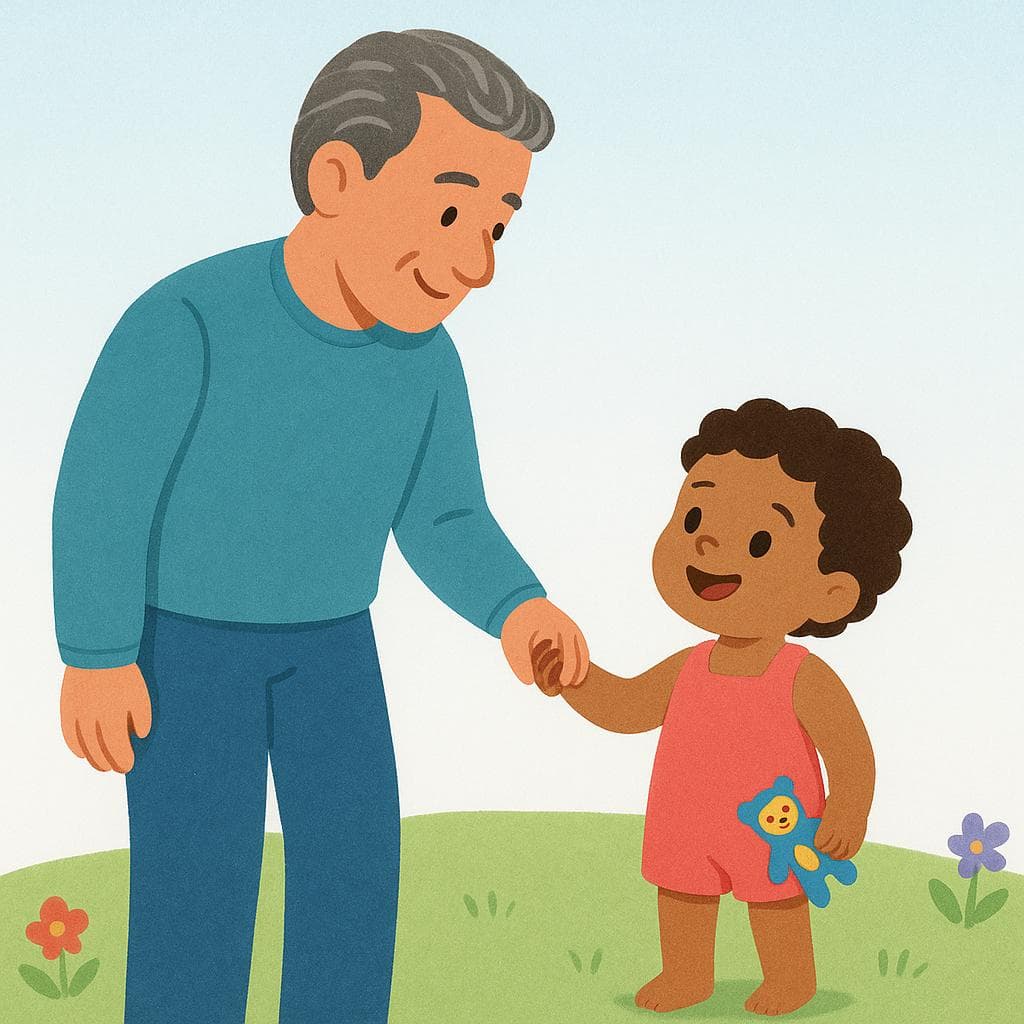
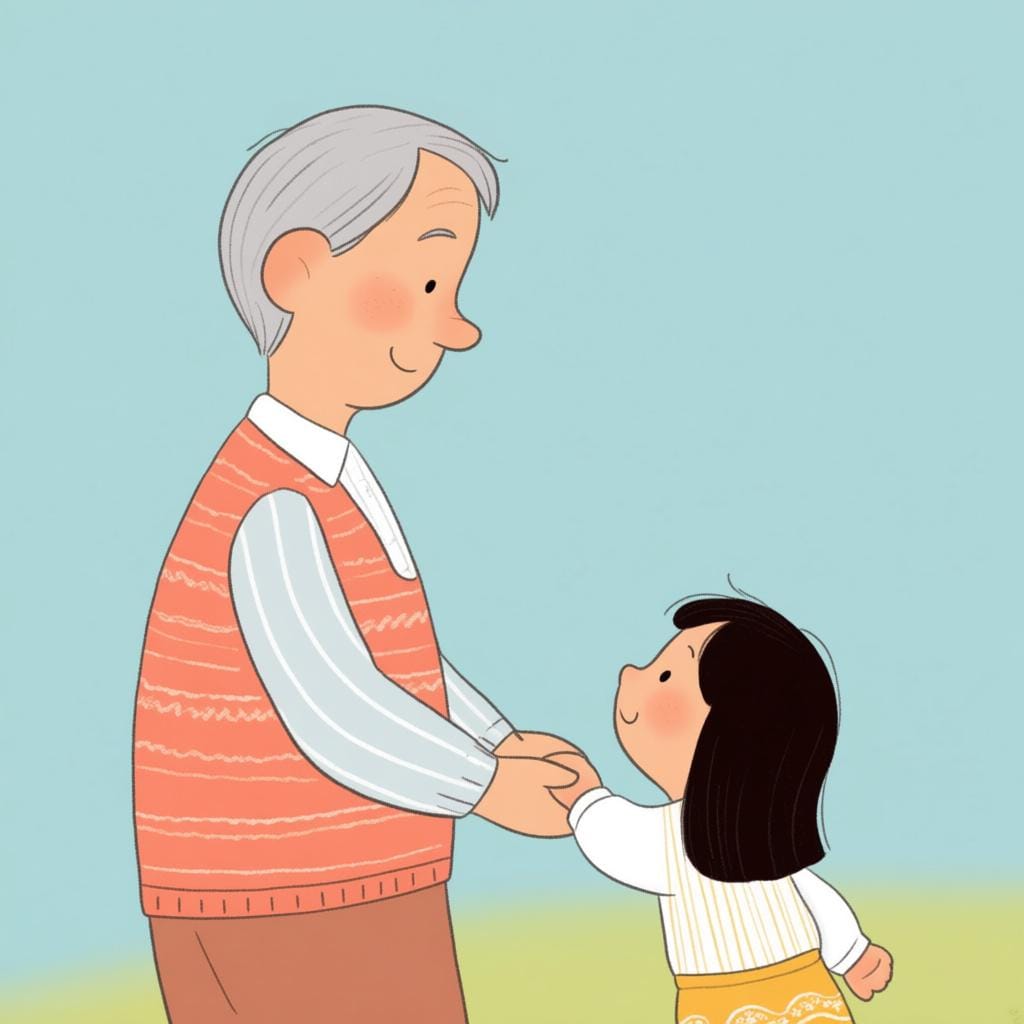
The most common Spanish word for “older” is “mayor” — use this when referring to someone being older than someone else in terms of age, often for siblings or family members.

mayor
mah-YORmaˈʝoɾ
Examples
Mi hermano mayor tiene veinte años.
My older brother is twenty years old.
Ella es la mayor de la familia.
She is the eldest in the family.
Soy dos años mayor que tú.
I am two years older than you.
Doesn't Change for Gender
Unlike many Spanish adjectives, 'mayor' doesn't change its ending for masculine or feminine. It's 'el chico mayor' and 'la chica mayor'.
Special Comparative Word
In Spanish, 'older' is a special case. Instead of saying 'más viejo' (more old), you almost always use 'mayor' when talking about people's age. It's more natural and polite.
Using 'más viejo'
Mistake: “Mi hermana es más vieja que yo.”
Correction: Mi hermana es mayor que yo. Using 'viejo' for a person can sound a bit rude, like calling them 'old'. 'Mayor' is the standard, polite way to say 'older'.
mayores
mah-YOH-rehsmaˈʝoɾes
Examples
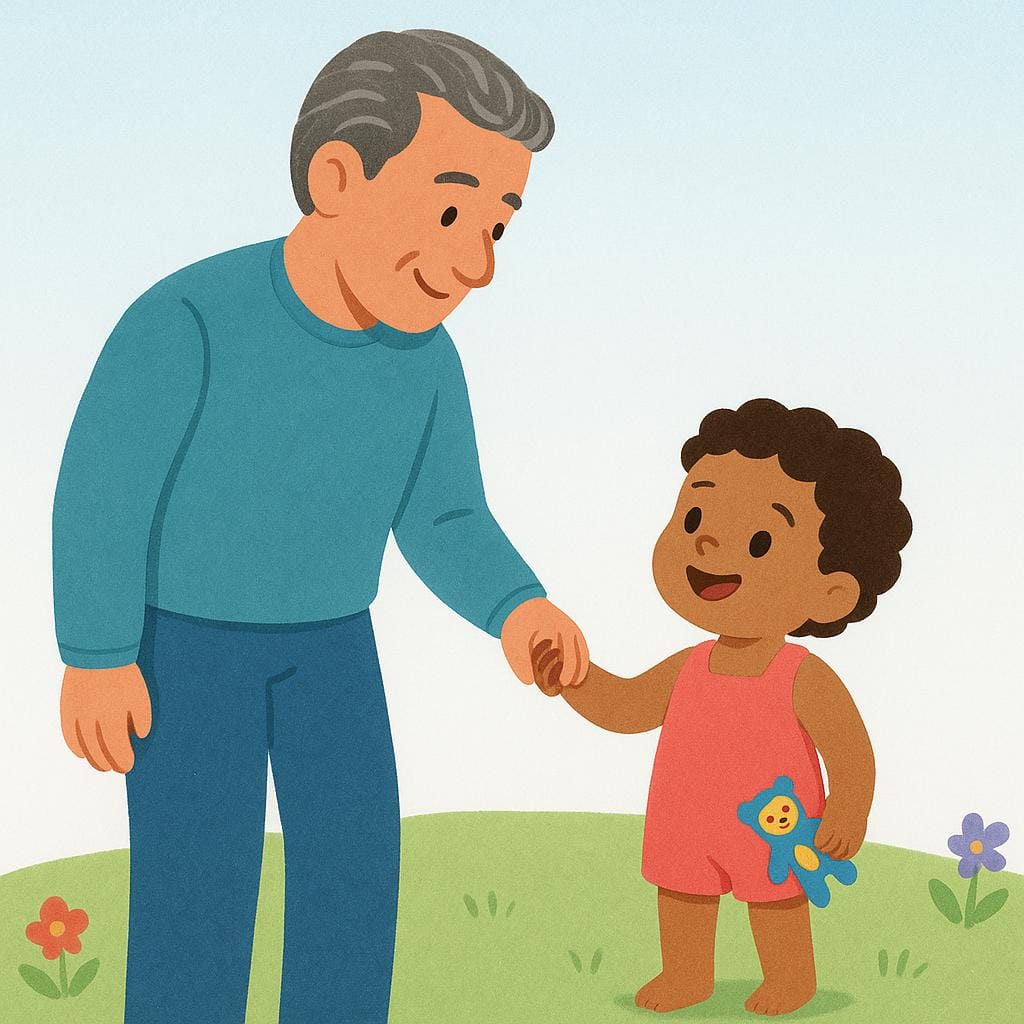
Mis hijos mayores ya están en la universidad.
My older children are already in university.
Necesitamos vehículos mayores para transportar todo el equipo.
We need bigger vehicles to transport all the equipment.
Los desafíos de este proyecto son mayores de lo que pensamos.
The challenges of this project are greater than we thought.
Always Plural
Since this word ends in '-es', it must always describe more than one person or thing. It is the plural form of the singular word 'mayor'.
The Irregular Comparison
'Mayores' already means 'bigger' or 'older,' so you don't need to add the word 'más' (more) before it. You would never say 'más mayores'.
Adding 'Más'
Mistake: “Estos coches son más mayores.”
Correction: Estos coches son mayores. ('Mayores' already means 'more big/old,' so 'más' is unnecessary.)
grande
GRAHN-dehˈɡɾande

Examples
Cuando sea grande, quiero ser médico.
When I'm grown-up, I want to be a doctor.
Mi hermano grande vive en otra ciudad.
My older brother lives in another city.
Ya eres grande para creer en fantasmas.
You're too old/grown-up to believe in ghosts.
Confusing 'Mayor'/'Mayores' with 'Grande'
Learn Spanish with Inklingo
Interactive stories, personalized learning, and more.